

By Maliha Rehman
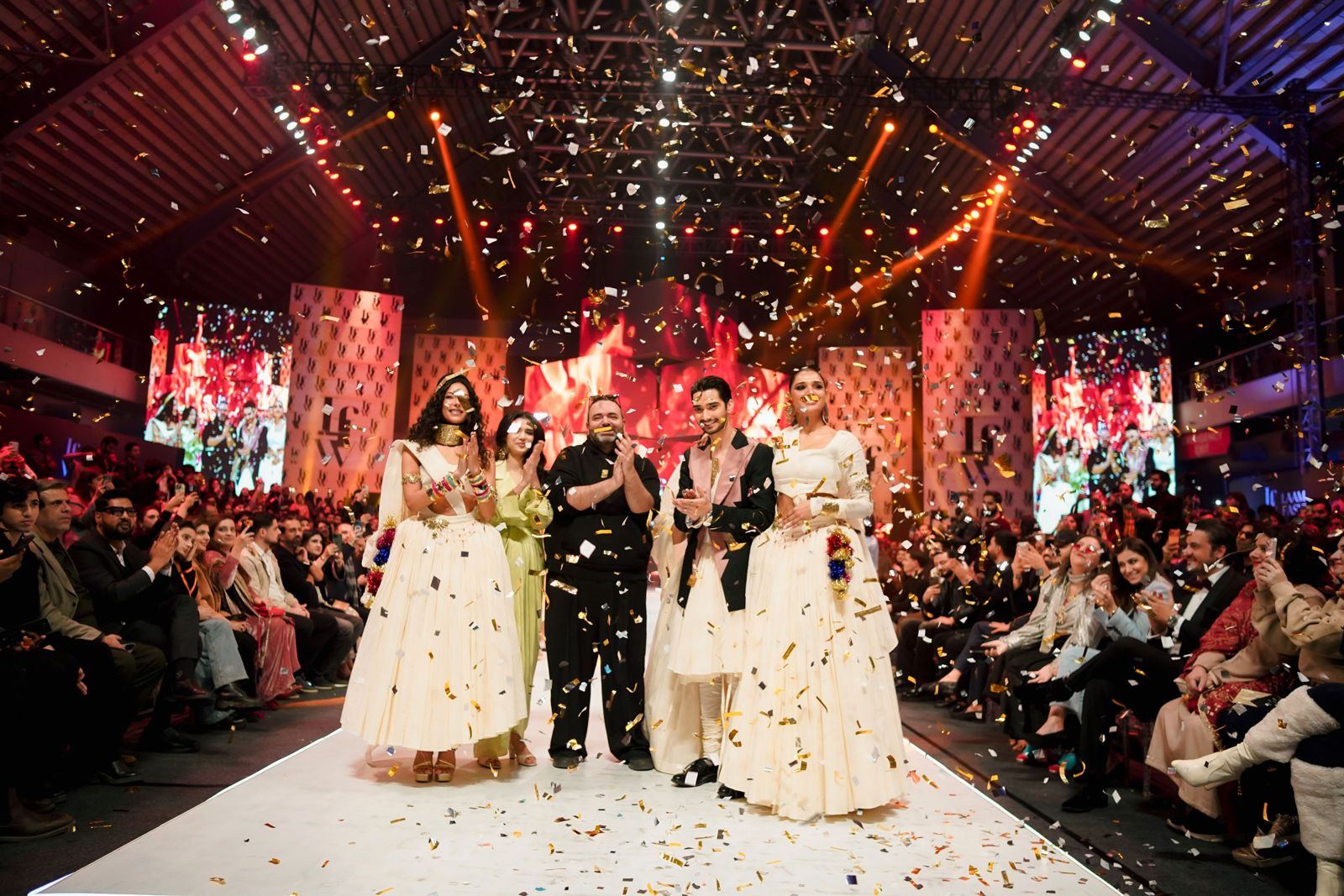
The second day of Laam Fashion Week (LFW) served as a prime example of what makes fashion weeks so much fun. Why, despite multiple collections sharing a catwalk, they can truly be major power moves for designers.
Sure, a solo show allows designers to flex clout, to assert that they have finally arrived, to stage a show that is entirely their own. The flotsam and jetsam in the audience gets eliminated and they devise their own exclusive guest list. A modeling pool and stylists that align well with the brand’s aesthetics are taken on board. It allows the spotlight to be solely on their collections.
This is all great except for the pitfall that what if the collection, staged all on its own, isn’t all that special? What if the expected rave reviews are replaced by disappointed whispers? A solo flight can sometimes culminate in a crash landing.
However, if the collection is a strong one, it will have the audience cheering and social media going viral with the footage. But what if a designer could get the same kind of response while being part of a collective designer showcase? What if his or her collection could be celebrated as the best of the night? There is a definite charm in being recognized as one of the best amongst your peers.
That’s what fashion week does: line up a range of diverse aesthetics on a single catwalk and encourage designers to put their best fashion foot forward.
From a reviewer’s point of view, solo fashion shows are infinitely easier to analyze. A single designer’s ethos is under scrutiny and you can easily dissect the various details. The fashion week behemoth, on the other hand, serves you an assorted platter of brands and one after the other, you have to understand different designers’ perspectives.
It is challenging but it is also, like fashion week, fun. So many different aesthetics can be seen in one single show, offering variations, allowing you to pick and choose the ones you like best, applaud the good and try to make sense of the bad.
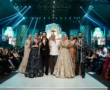
That’s what the second day of LFW was all about. Shows by Agha Noor, Panache Apparel, Urge Pret, Allure by Izna Hamza, Bin Tayyab and Pehnawa by Bin Akram were followed by the solo designer showcases in Act 3:
Karma
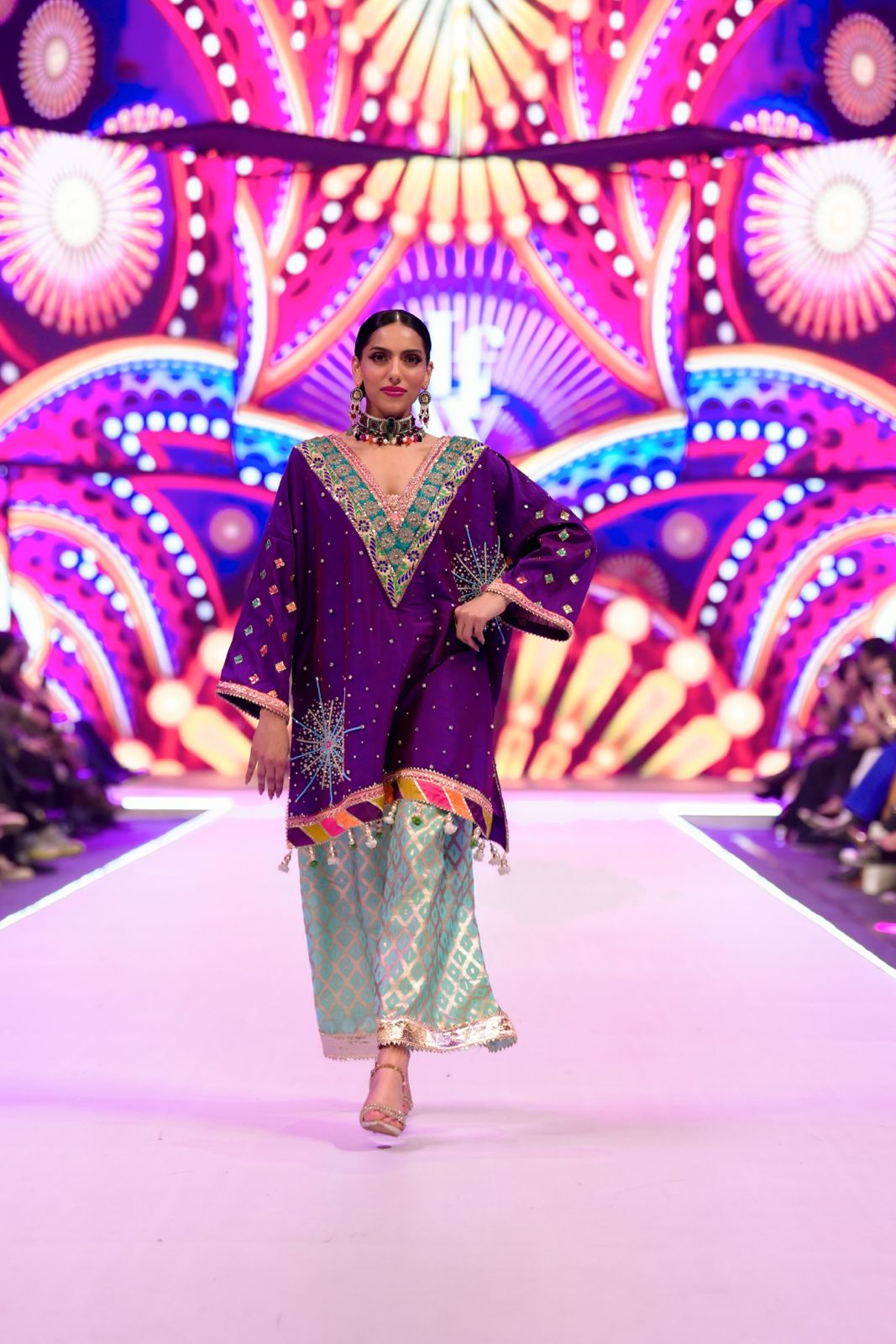
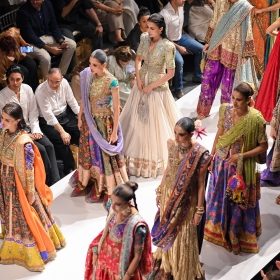
Colorful chakras and florals spun on the LED screens forming the backdrop, complementing the Karma lineup filing out on the catwalk. This was designer Maheen Kardar making a return to the catwalk after a decade, bringing back the playful colors and tongue-in-cheek take on wedding-wear that was always her signature.
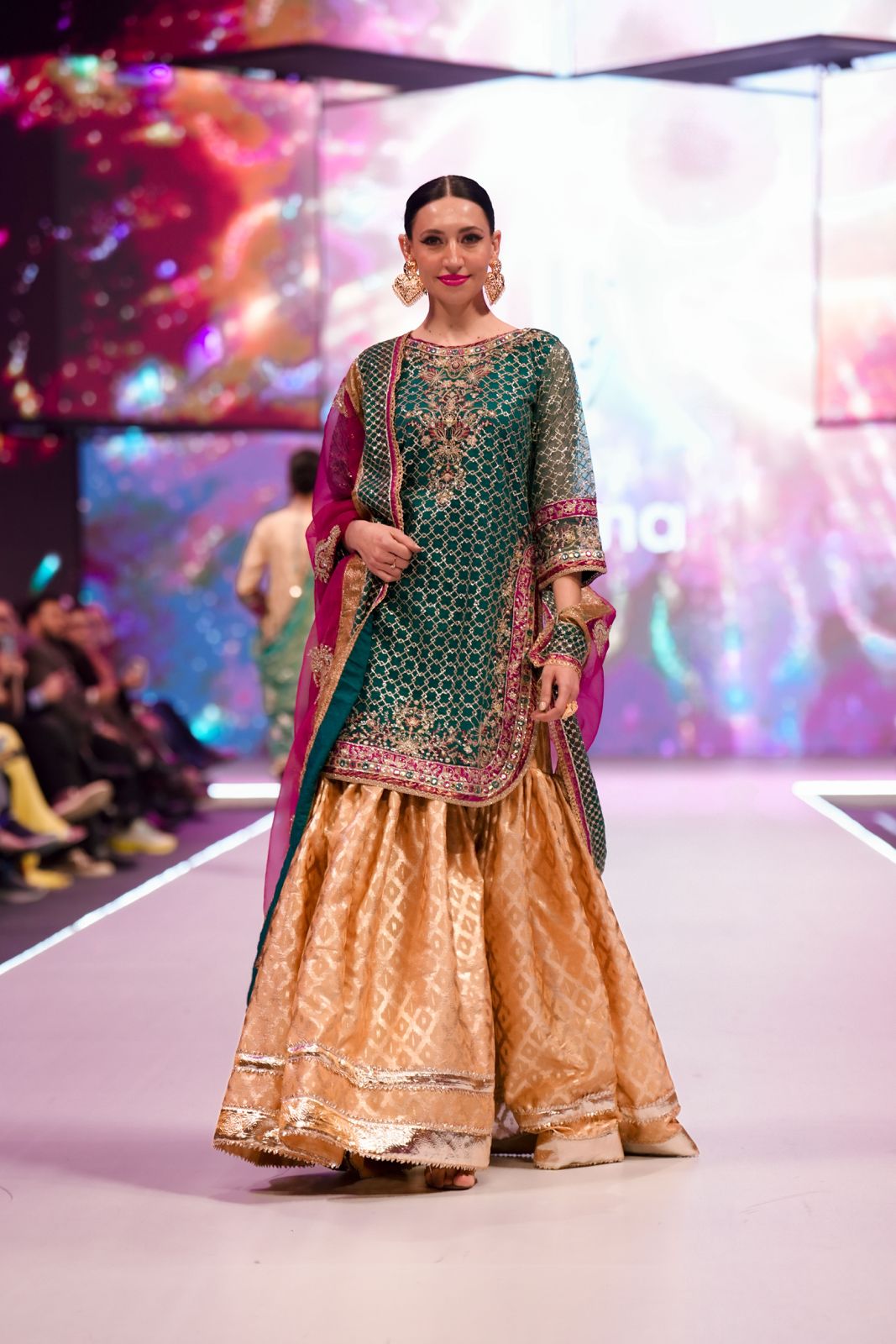
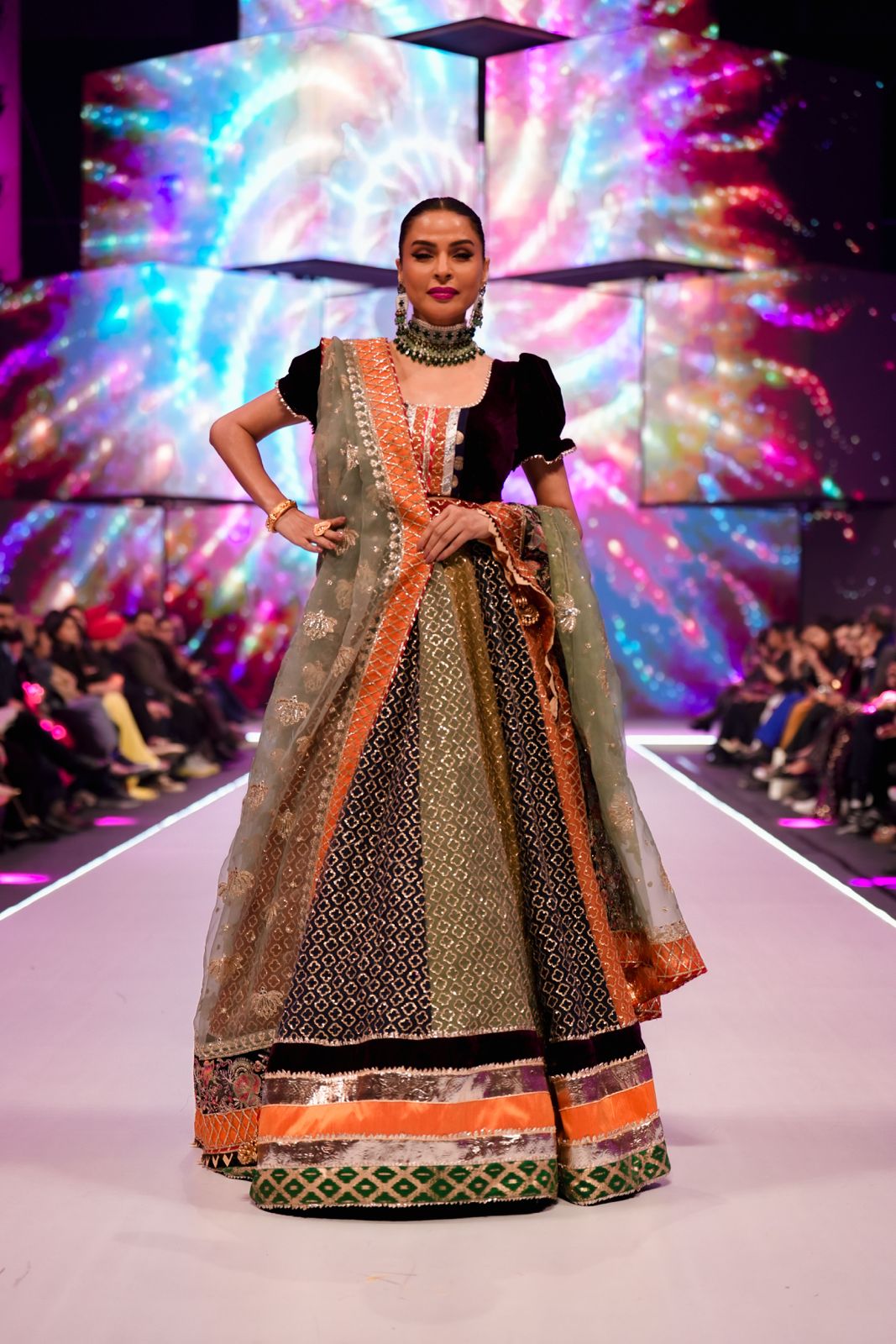
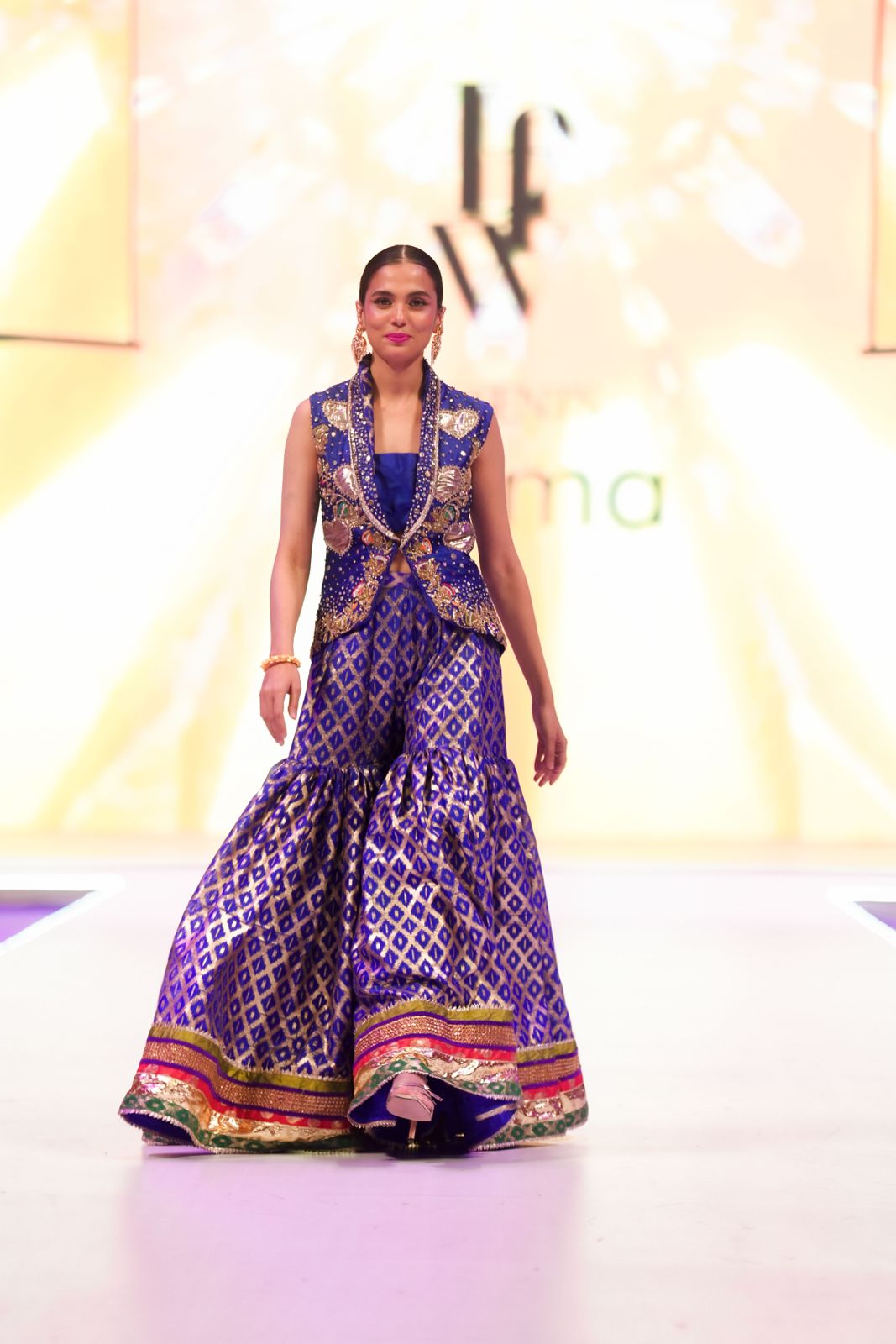
The silhouettes were traditional and the color palette was festive, very bright, amplified by golden borders and embroideries. A large floral motif would be surrounded by a burst of sequins, bling criss-crossed across shirts and dupattas, multicolored borders forming the base around hemlines. A brilliant turquoise shirt shimmering with glitter and gold, paired with a golden lehnga and a pink dupatta. These were clothes that you could imagine young girls wearing while they whirled on the dance floor at a Shendi, the sort of outfit that you would choose for a dholki event.
Nevertheless, one had expected more innovation from the designer. The lineup was pretty but Karma has put out some standout shows back in the day. This one could be counted in as am ebullient, pretty one, but not the most memorable one.
Deepak & Fahad
So, this was one cool collection. It was edgy, trendy, wearable but ‘cool’ truly describes it best.
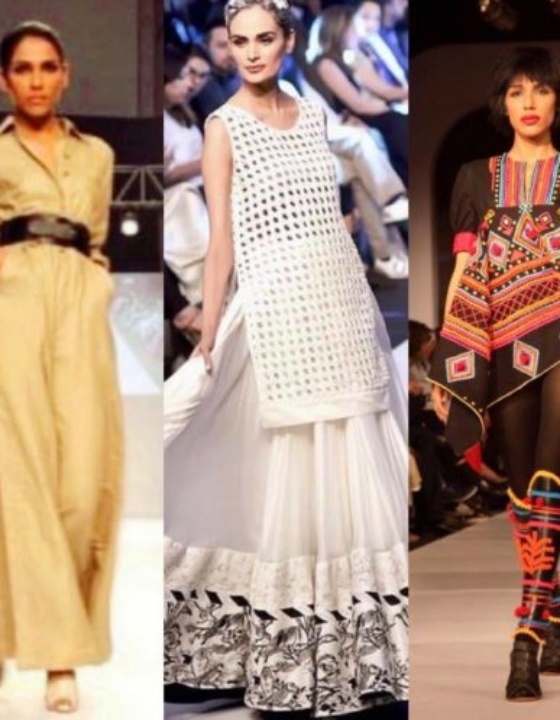
Deepak & Fahad’s Meraki was a wonderful, instantly covetable mix of breathable fabrics, weaving techniques and easy breezy silhouettes. The palette drifted from beige to chocolate brown, olive green, grey, ivory, a bit of red and a delicious blend of blues. The silhouettes were tapered, very neat, very well-fitted; tunic-and-pants co-ord sets, lightweight blazers fastened by belts and a dress or two walking unassumingly out on to the runway and making waves.
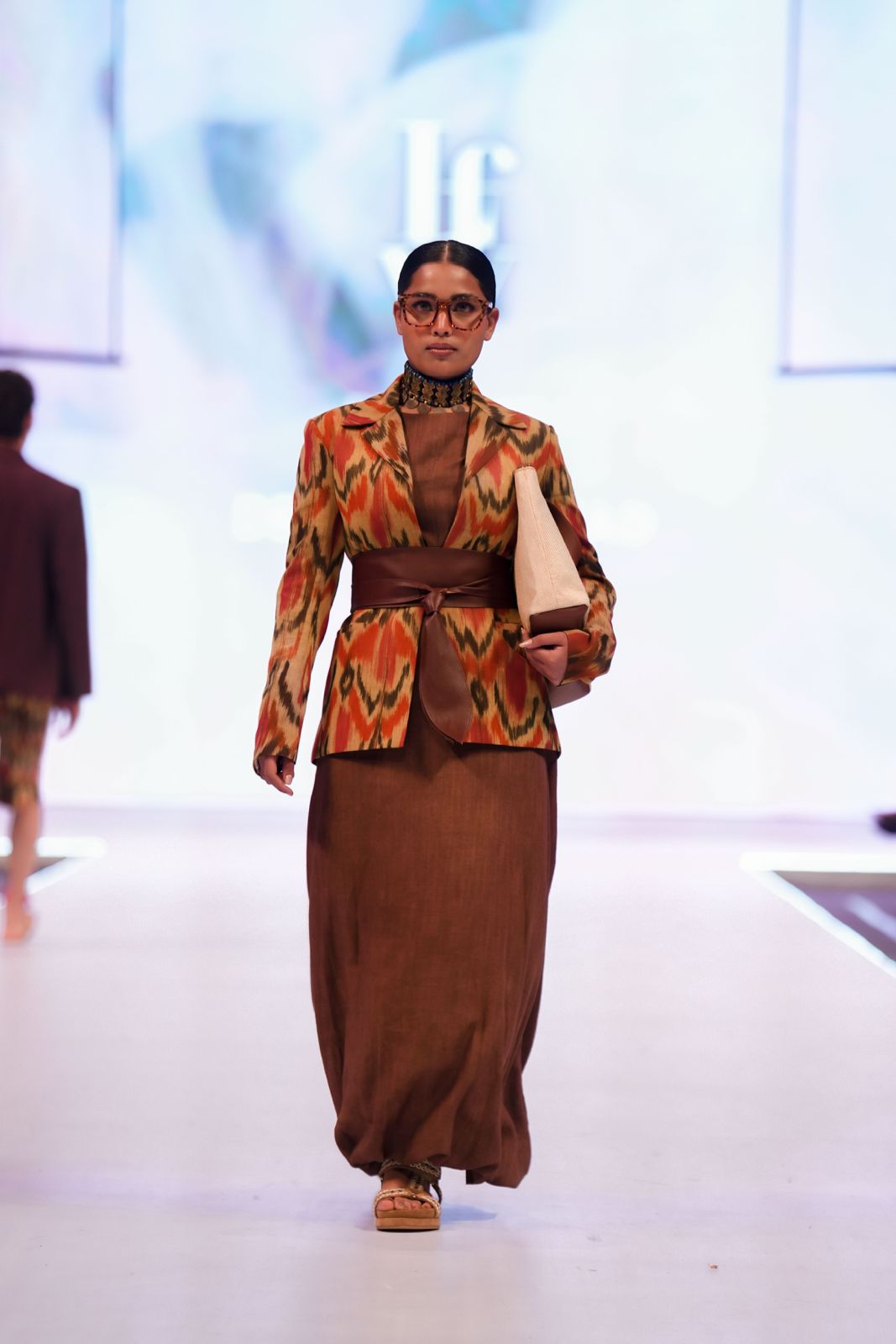
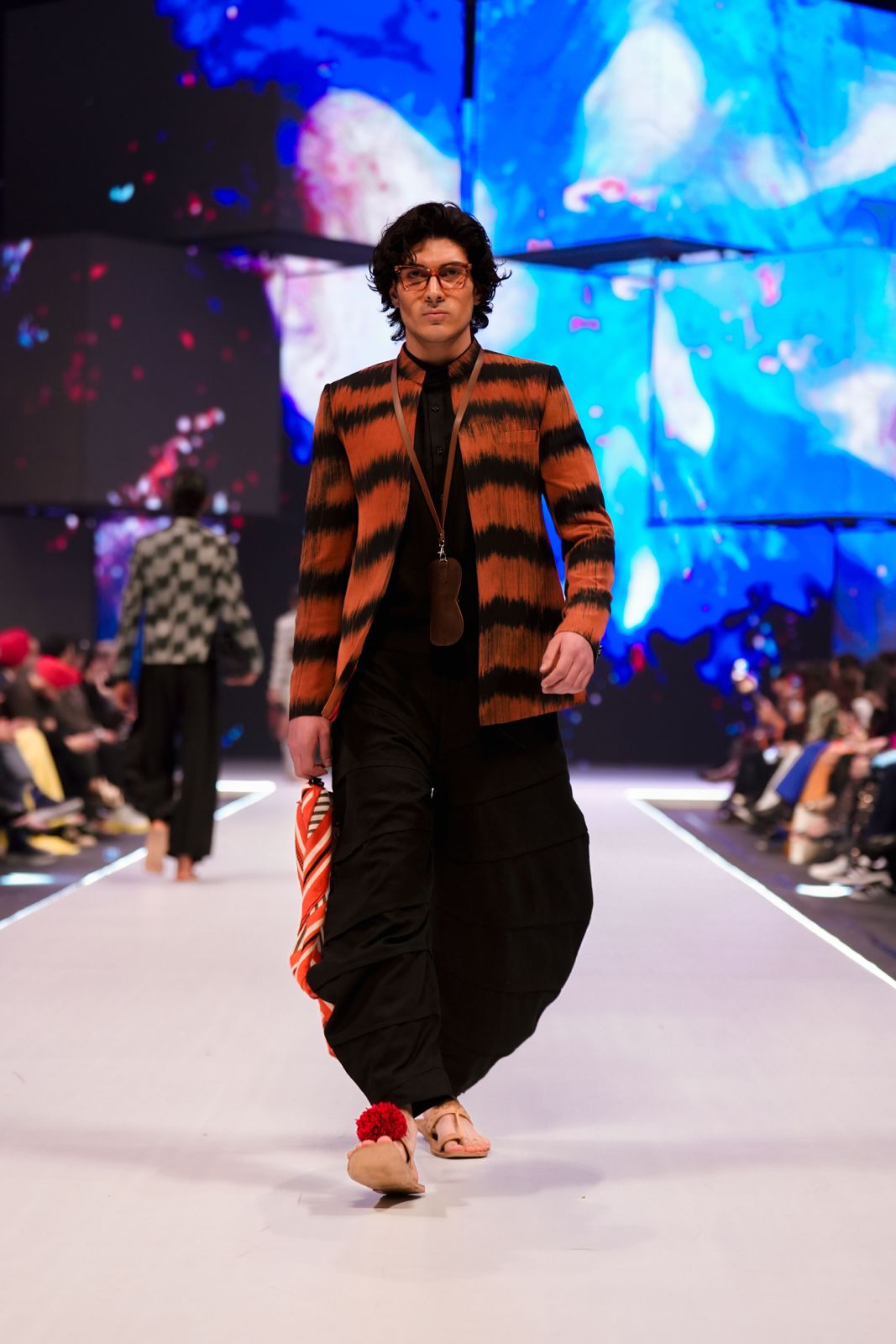
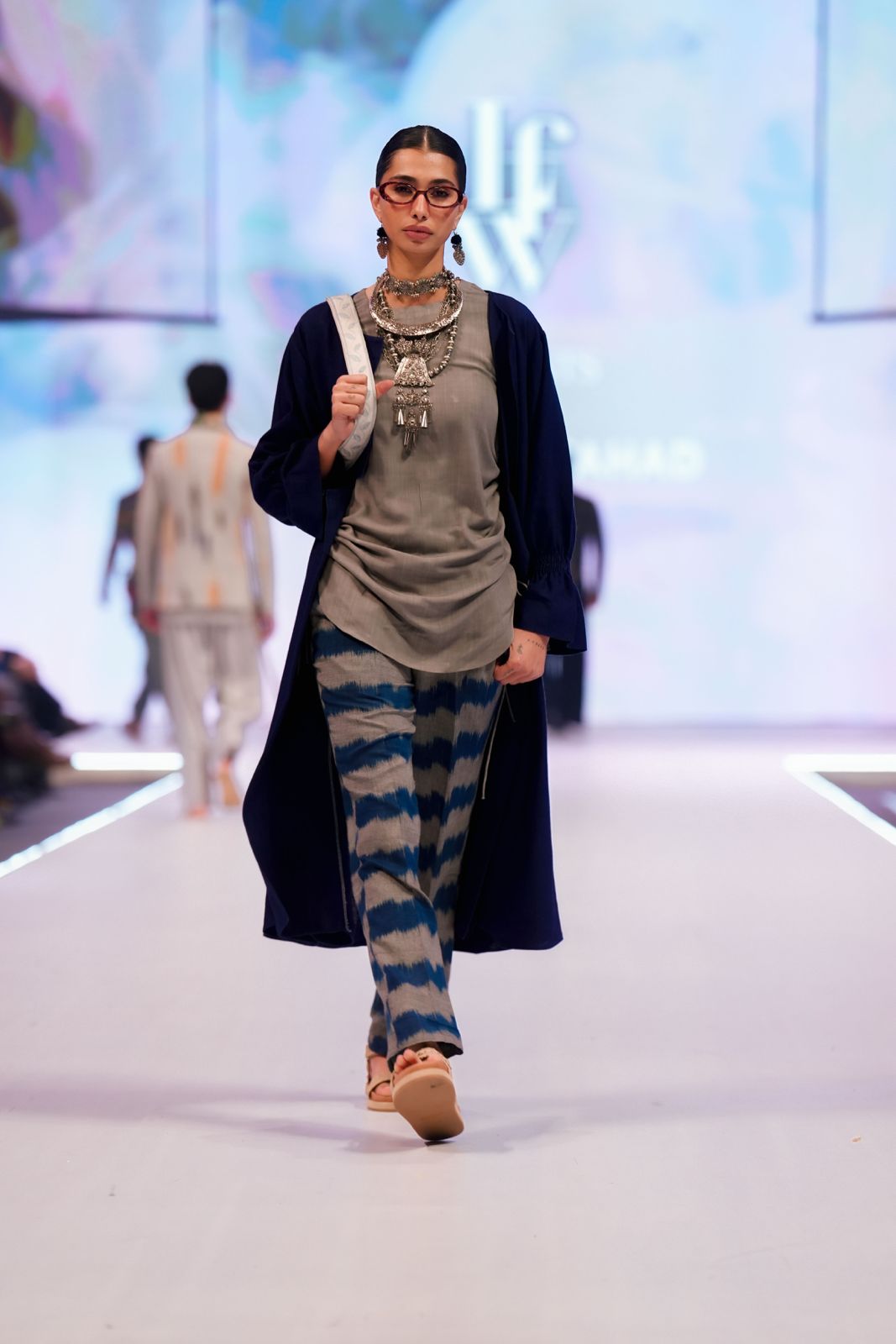
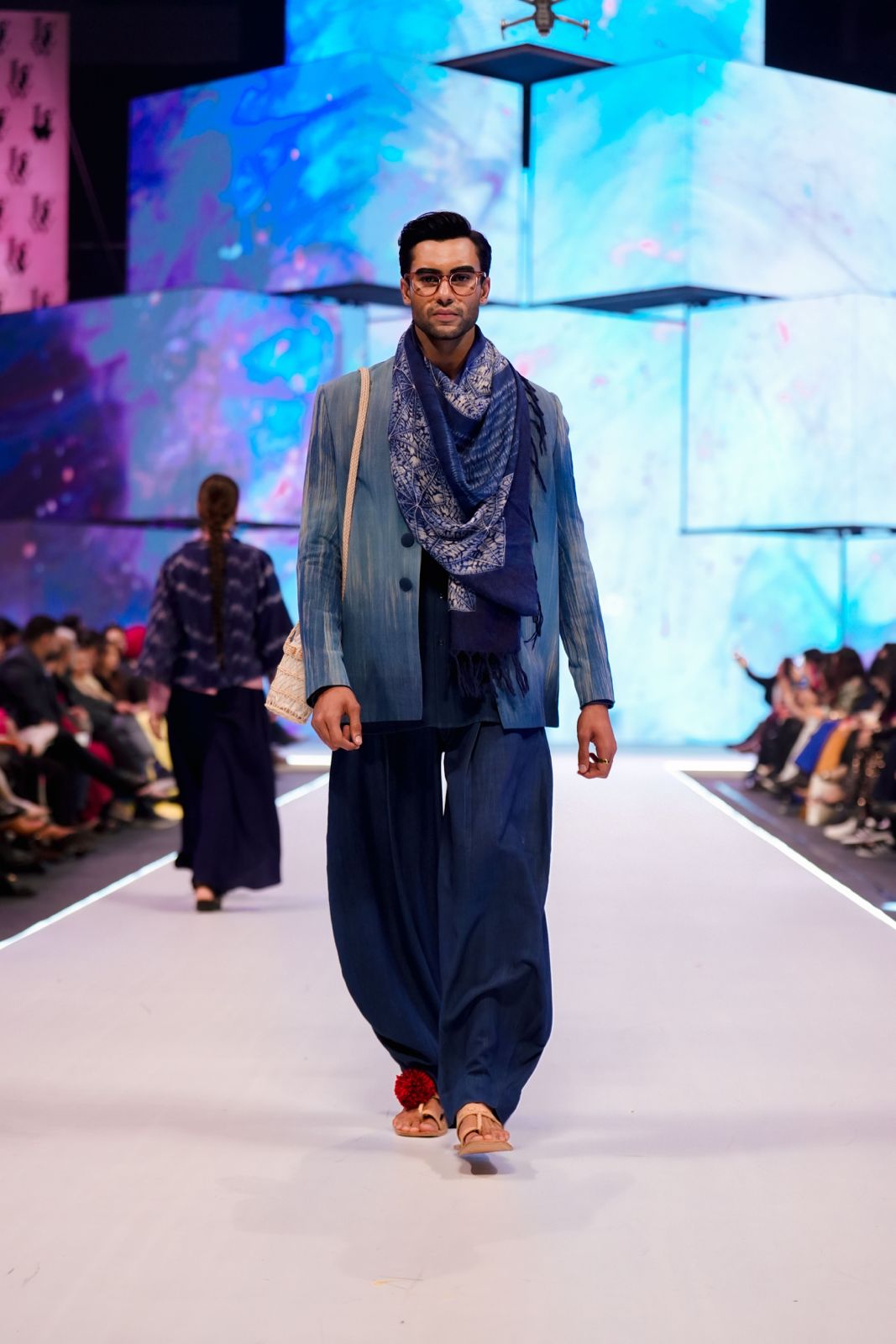
Accentuating the clothes were accessories; the chunky neckpieces particularly caught the eye. It is commendable that the designers played special attention to the styling of their show, getting the talented Mamoon Tariq on board. While the designs were great, accessorizing made them stand out more on the catwalk.
One hopes that having put forward such a strong collection, Deepak & Fahad now follow up by making Meraki available for retail. One also hopes that this is not a one-off and that they continue to bring out new collections regularly.
Sadaf Fawad Khan
Sadaf Fawad Khan’s collection Suroor, much like its name, simply flowed out on to the runway in a sweet symphony, featuring traditional silhouettes with contemporary twists added here and there. The beauty lay in the details: timeless chatapati incorporated on to ghararas and lehngas, an intricate mesh of embroidery and sequins on a lehnga in an ombre effect of blues, golden chand-baalis embroidered along the hem of a short angarkha shirt, golden hearts on a gorgeous tea pink dupatta, embroidered patterns that were well-conceived rather than just regular phool-patti khaakas picked off an adda, the men’s turbans lined with golden borders or splashed with a touch of ombre.
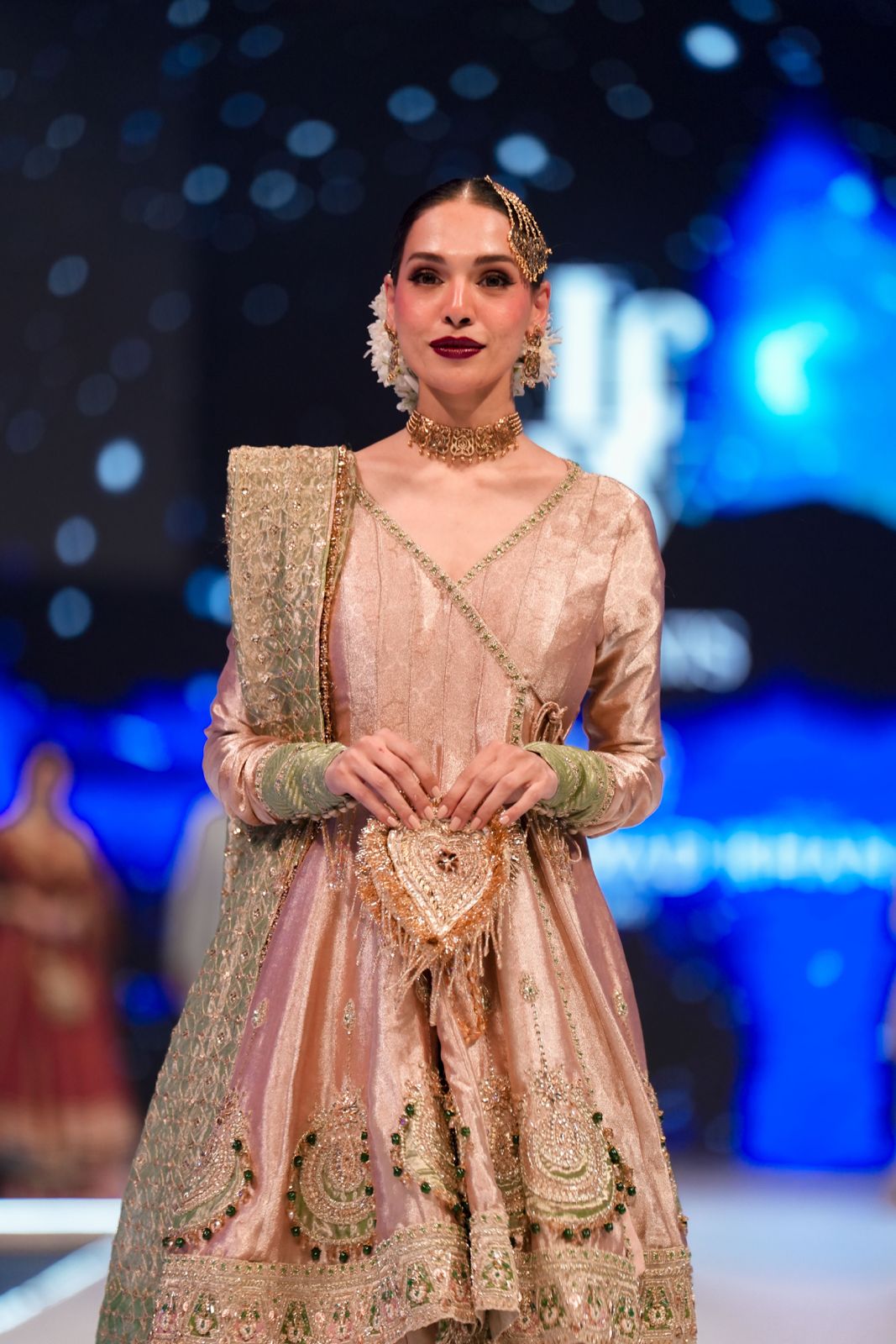
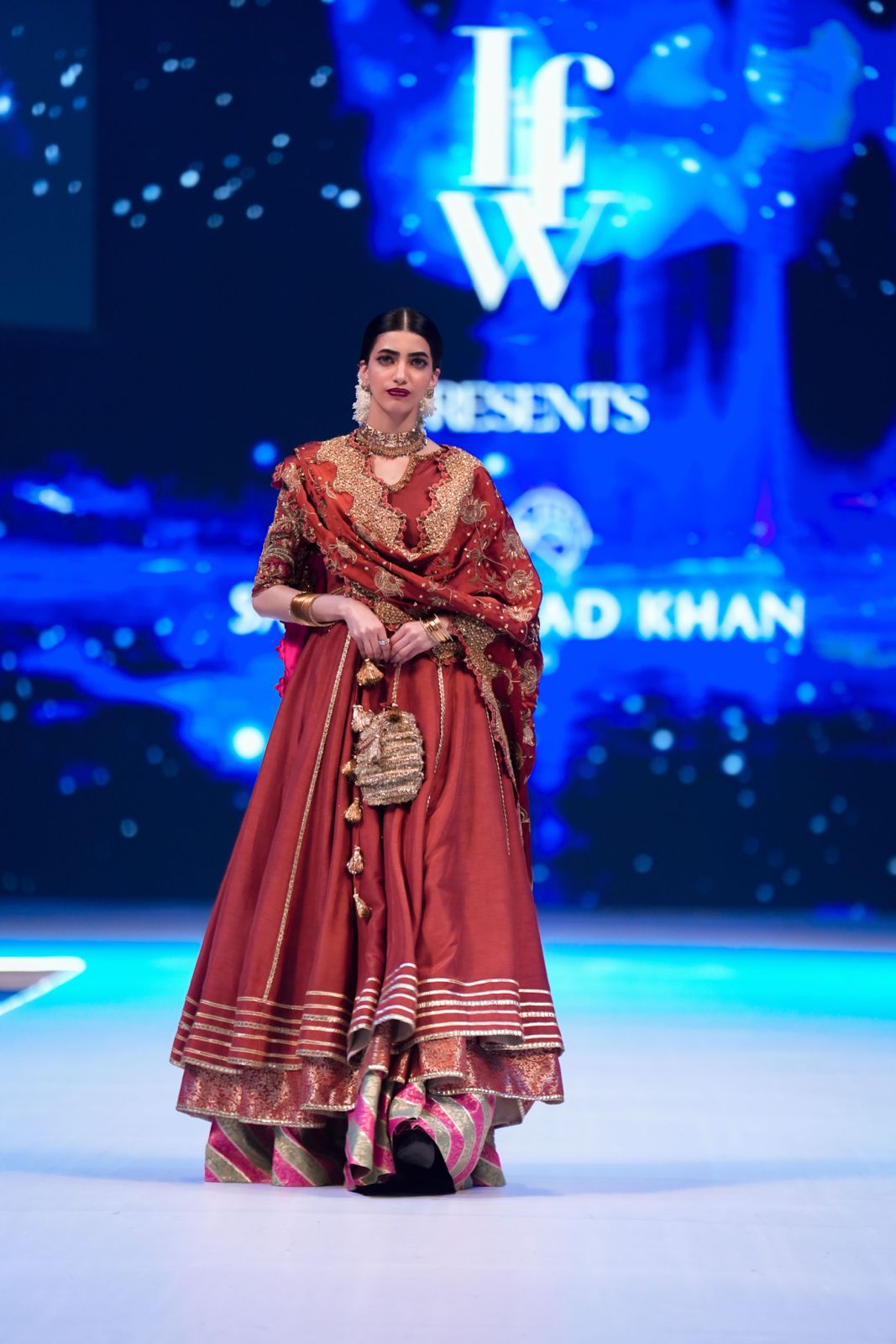
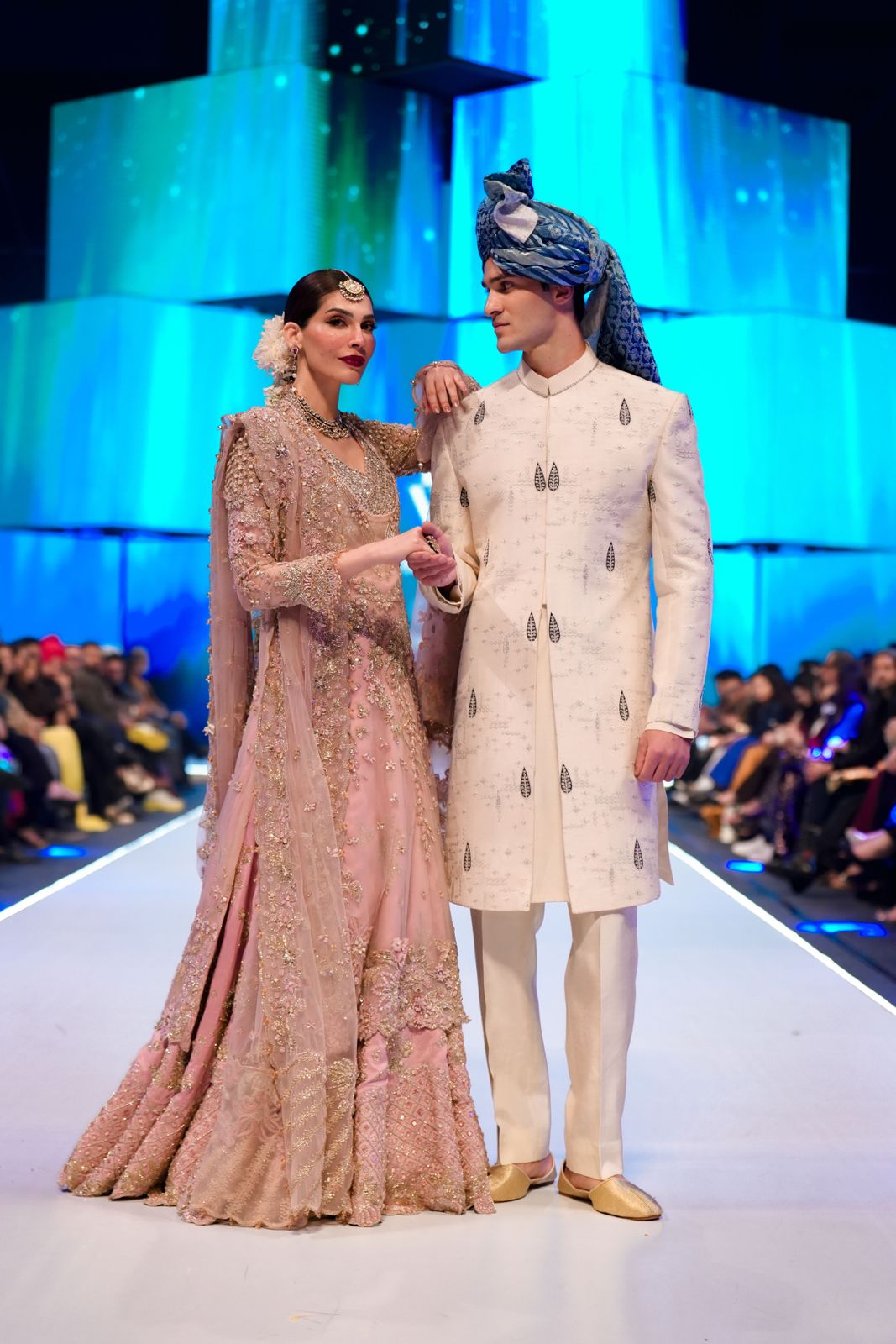
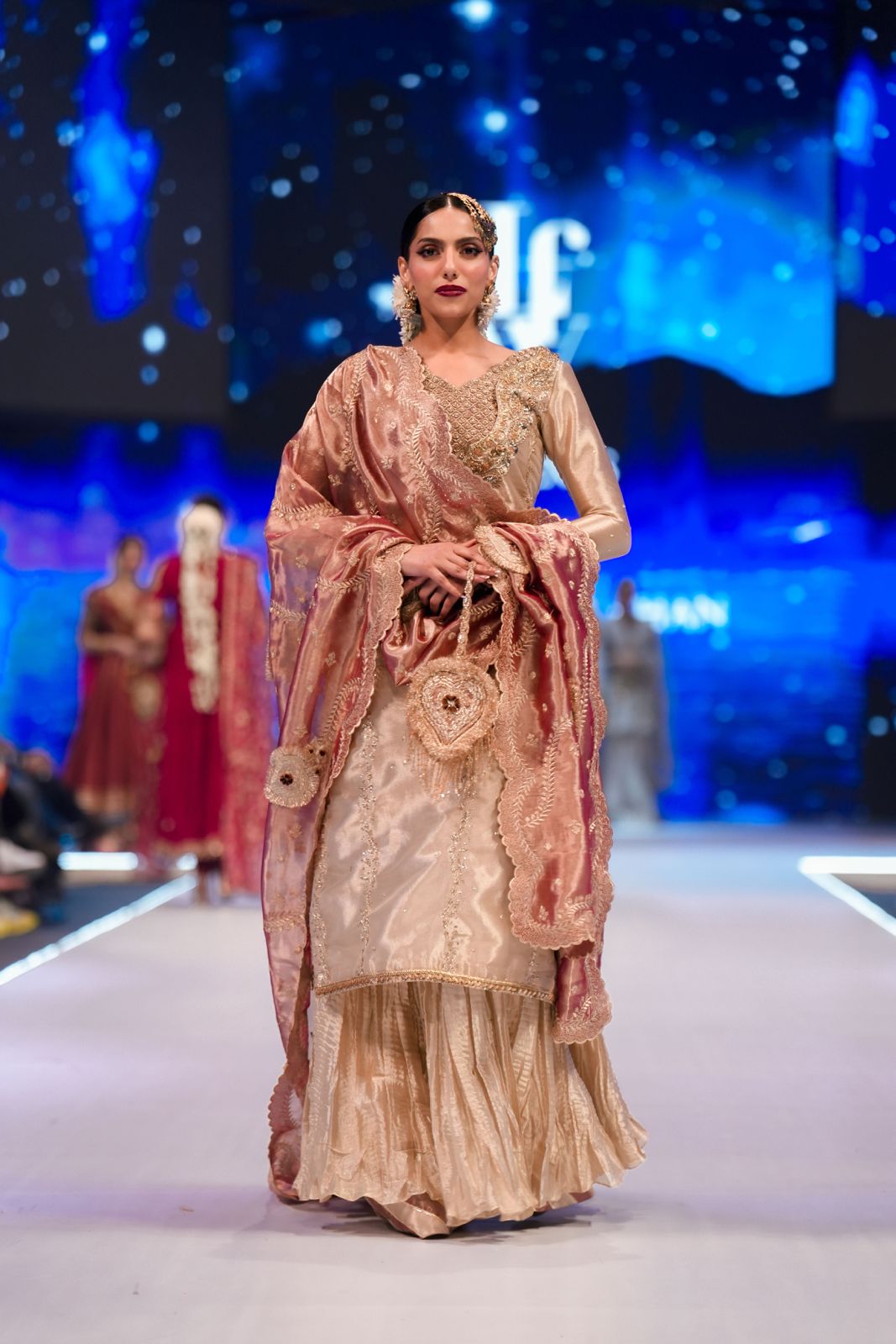
It was also noticeable that the fabric was allowed to breathe, to drift easily, not overloaded by embroidery. Even the heaviest lehngas flowed easily. The menswear was also exceptional, in a range of ivories, light pinks and the lightest of blues, impeccably cut, embellished with neat embroideries.
It was a mature, sophisticated collection by a brand that has quietly been marching to its own drumbeat for years now, catering to a discerning clientele that values quality embroideries, fabric and fine tailoring. One hopes to see more of SFK Bridals and its sister menswear brand, Hazure Online, on the catwalk in the future.
Fahad Hussayn
Fahad Hussayn’s The Conclave of Anti-Fashion was a mix of wearable statement-wear and other designs that were purely meant for the catwalk. This was the designer, stepping away from the lucrative domains of lawn and bridal that tend to occupy him most of the time, and going a tad wild, experimenting without worrying too much about retail. White, basic cotton was structured into dresses, capes, pants and skirts, accessorized by glinting piece of brass naqashi. Beyond the spectacle of seeing models expertly wear fitted brass blouses, one appreciated the more wearable elements to the line; the draped dress in black, the pocketed hybrid shalwar-chooridar-skirt, the scalloped skirt.
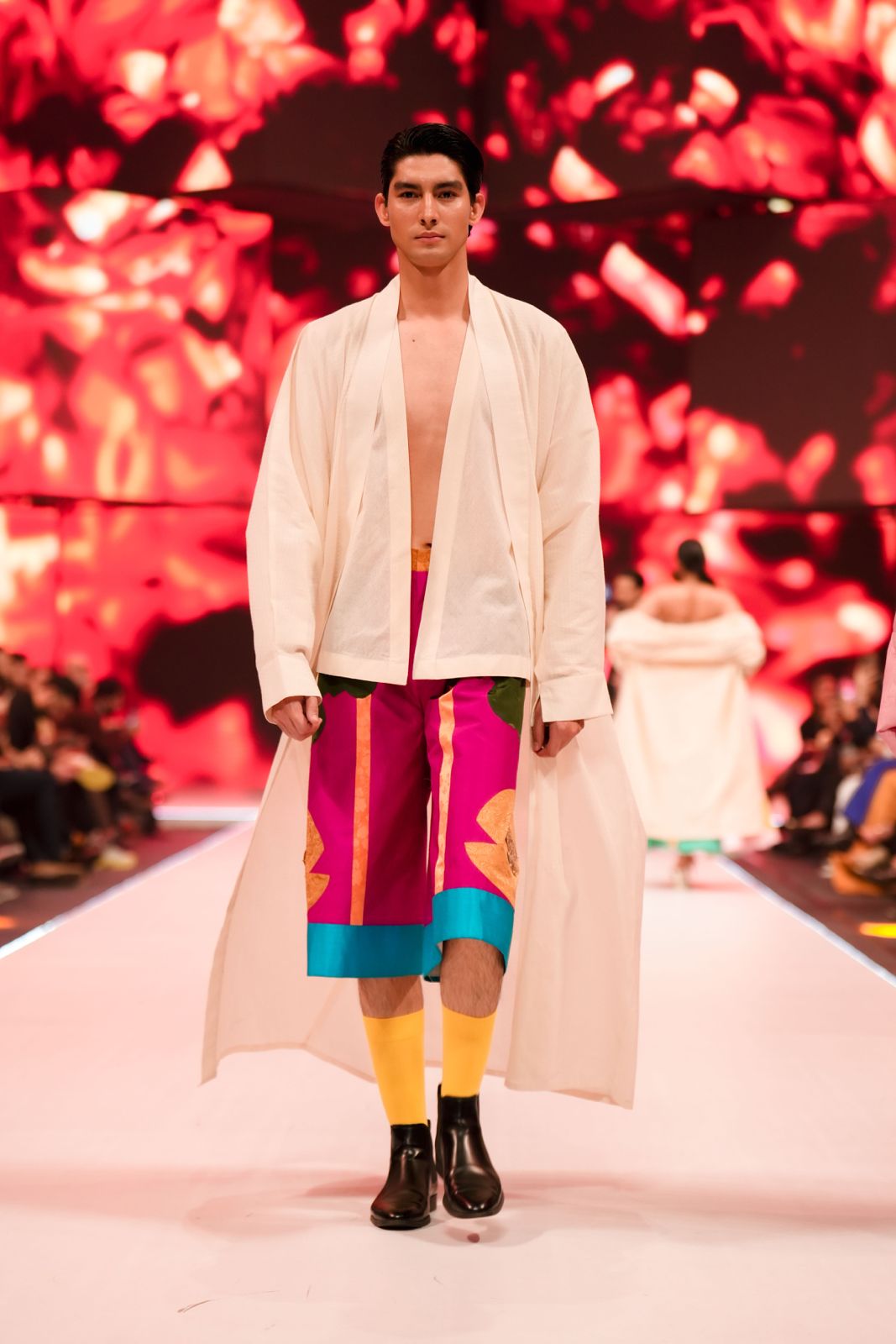
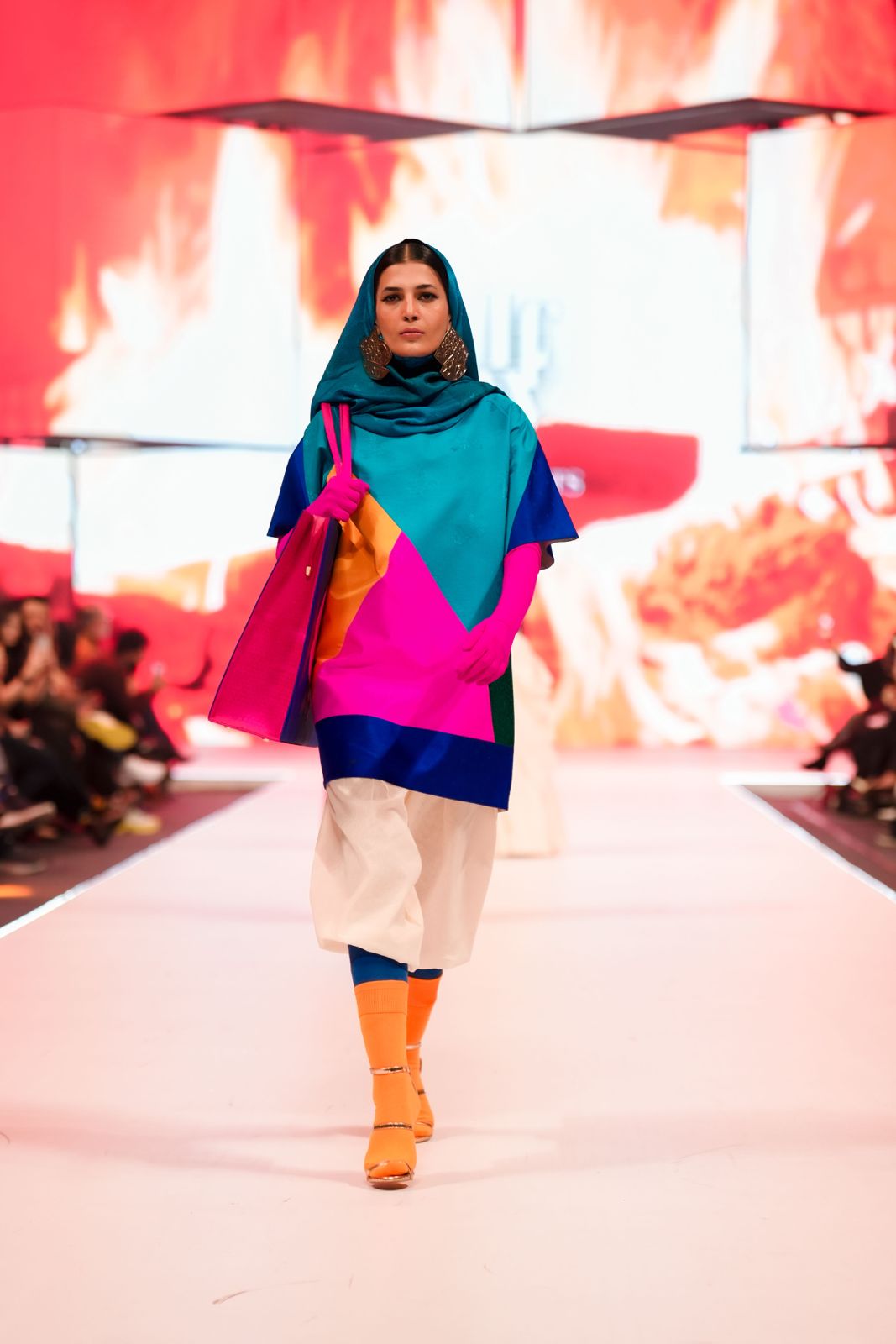
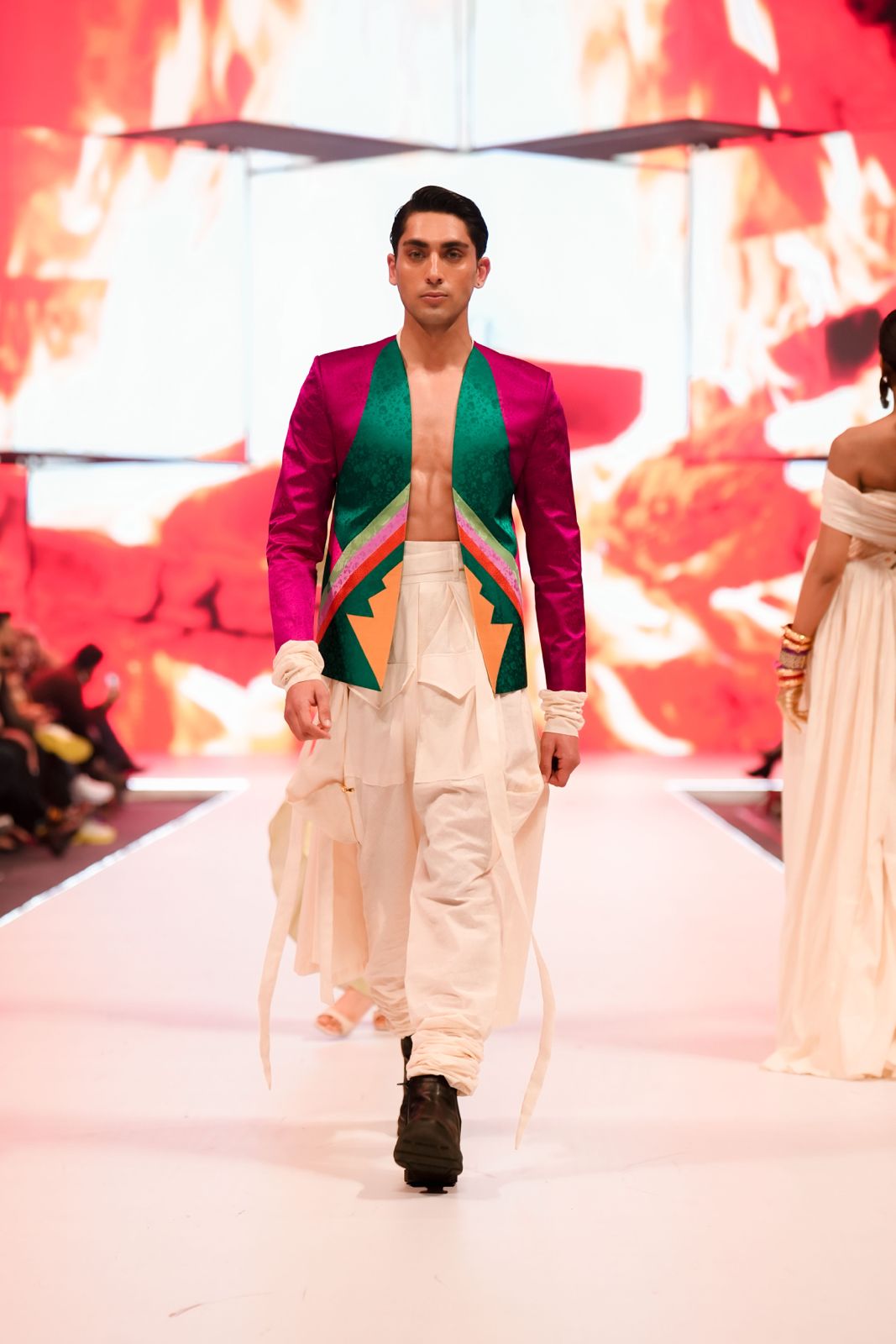
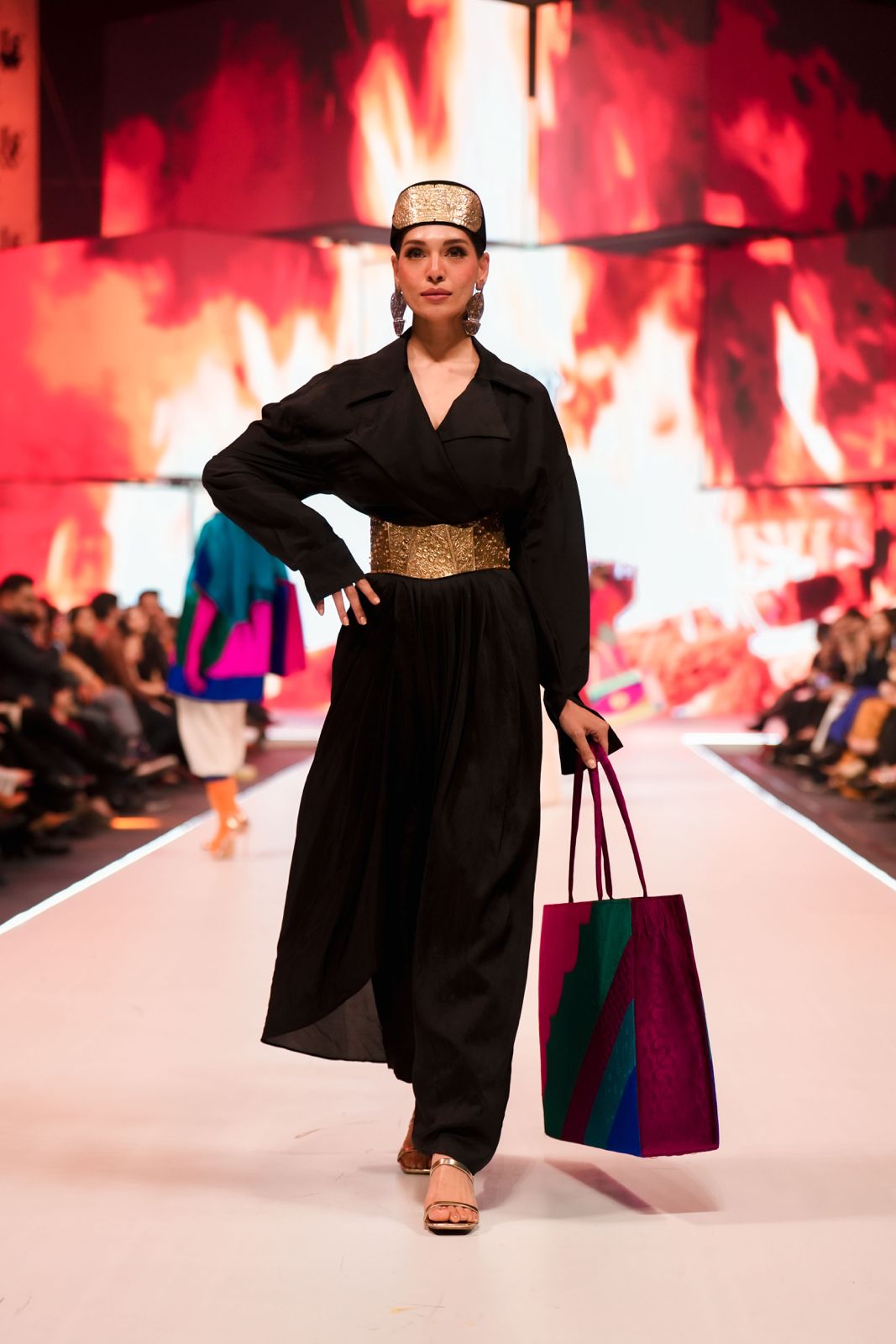
And then there were the pants, the jackets, the short dresses and the handbags, created from pieces of silk patchworked so neatly that you could mistake the fabric to be a print. The palette was neon and metallic stars and kites popping out on them. Kites, incidentally, dominated the lineup in the form of funky earrings worn by all the models and stitched on to the handbags, in alignment with Basant festivities currently overtaking Lahore. Even after Basant, one imagines the earrings selling out fast.
It was an interesting, eye-popping lineup. Singers Sheryar Rehman, Natasha Baig and Nehal Nasim lip-synced to their songs while the models walked out and Amna Ilyas was the celebrity showstopper but aside from this there were none of the props, sprinklings of rose petals and gugu ghoras that have been part of past Fahad Hussayn shows. The designer’s fondness for curating fashion experiences rather than a basic showcase has proven to be both a burden and a blessing for him. On the upside, it makes people look forward to his shows, knowing that he will create a world on the ramp for his designs. On the downside, there have been times when the catwalk theatrics end up being talked about more than the clothes.
Fashion aficionados, though, recognize the unique elements to Fahad Hussayn’s designs. Beyond the naqashi that probably does not have viability beyond a fashion show, the fabric manipulation and techniques exemplified his maturity as a designer.
What do you think?