



By Maliha Rehman
Meri Uraan’s narrative very evidently pivots around messages of female empowerment. The telefilm, produced by Abdullah Kadwani and Asad Qureshi of 7th Sky Entertainment, that has recently aired on the Geo Entertainment channel, does not shy away from acknowledging this. What is interesting, though, is that while the story may be message-driven, it never gets preachy.
There are no longwinded dialogues highlighting ethical codes of conduct. No archaic scenes where the characters go through predictable experiences just to drive a message home. Instead, the story swiftly moves through a series of scenes and events. The characters experience turmoil and happiness, setbacks and success, putting forward messages before moving on to the next stage in the story.
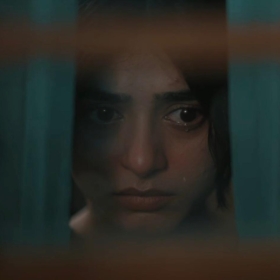
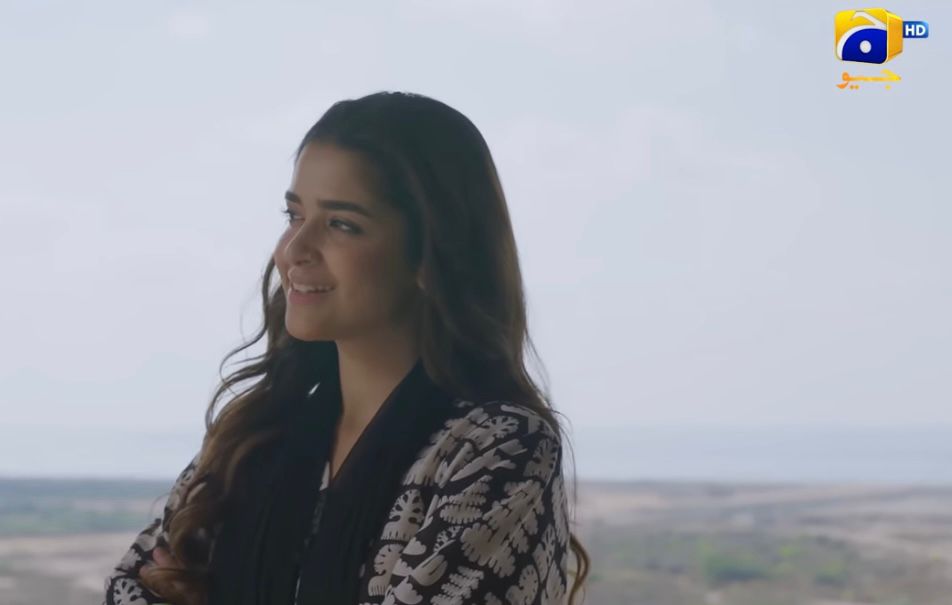
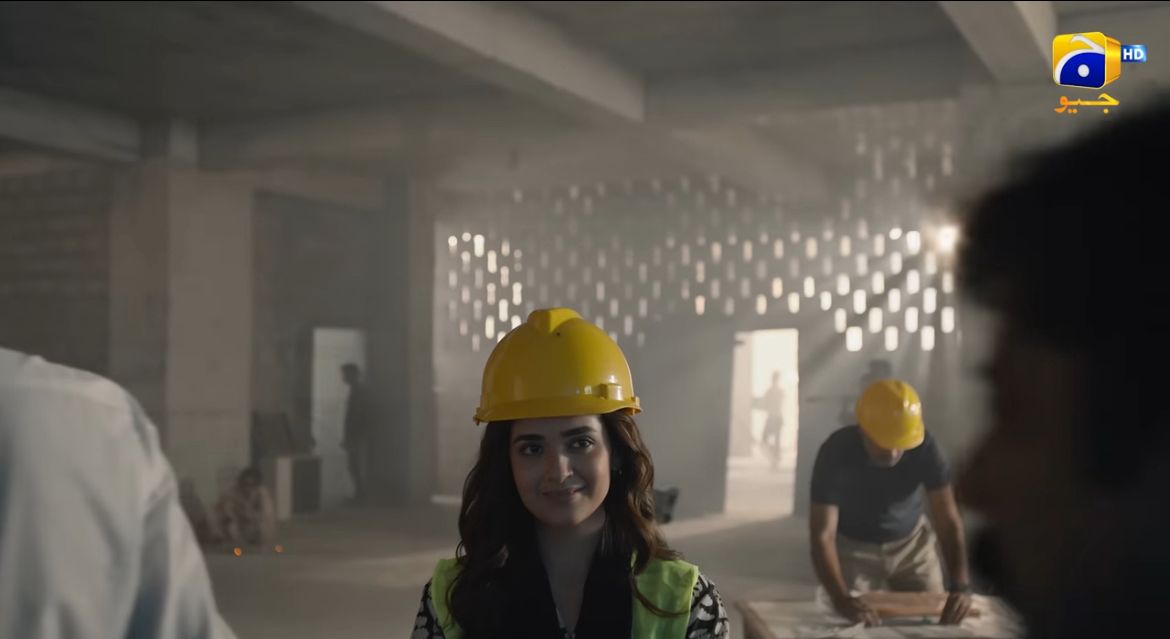
This is what makes Meri Uraan an interesting watch. The script, written by Zanjabeel Asim Shah, does not tell a story that is an entirely new one. In fact, from the very first scene, where the female lead Ruha, played by Anika Zulfiqar, is introduced as an architecture student, the audience knows that the plot will revolve around her overcoming societal and cultural boundaries in order to fulfill her dreams.
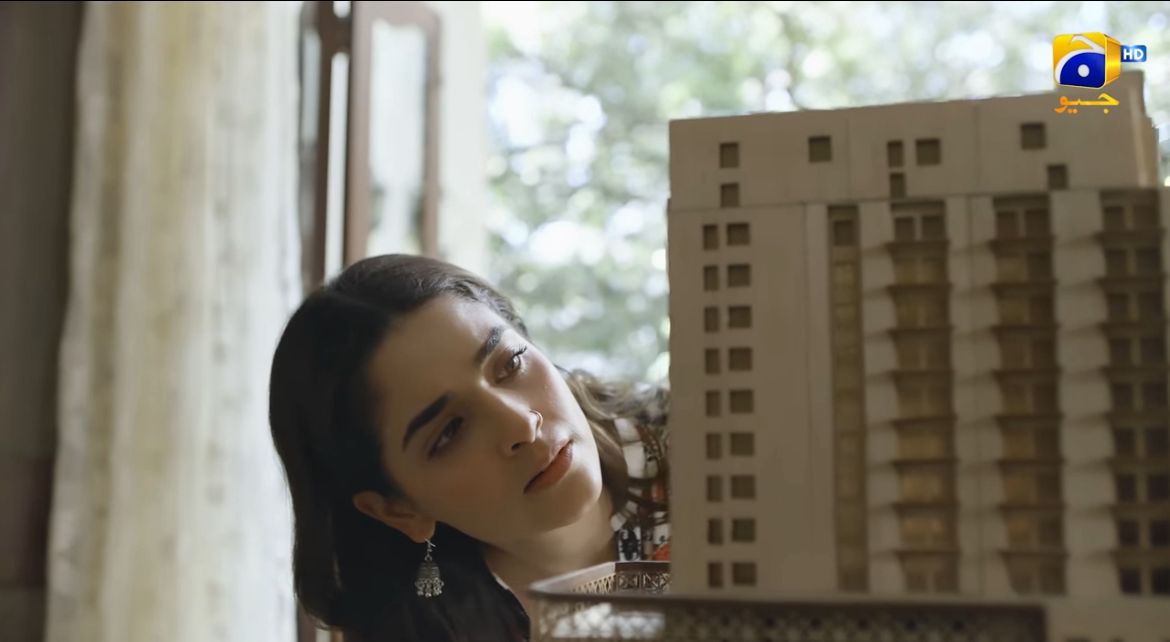
It is the way the story is told that makes the drama gripping.
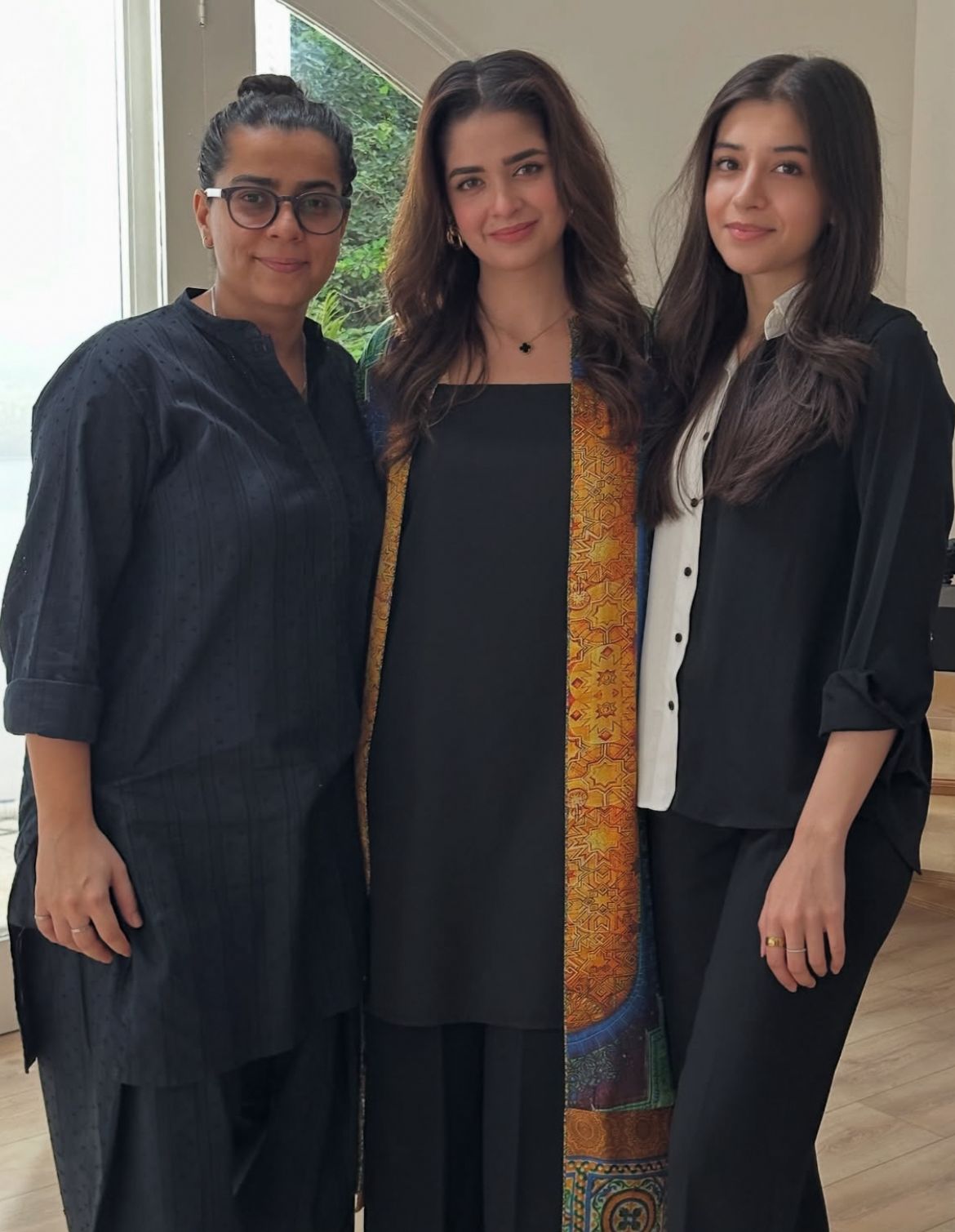
Muskaan Kadwani, making her debut, and Shehrazade Sheikh, co-direct Meri Uraan and they bring a fresh perspective to the story. The frames are visually appealing and the characters’ journeys are navigated with the aid of hard-hitting dialogues and music. The telefilm may be an almost two hours long watch but there are very few instances where you may tap your foot and want the story to move along faster.
Instead, you enjoy the sequence of events – the women in the audience may even cheer the confident female lead along! At one point Ruha beats up a neighborhood boy who has been sending her flirtatious text messages and making the people in her home doubt her. When later in the night, Ruha’s family berates her for having created such a scene, she tells them that they should be proud of her for standing up for her rights.
There are many more scenes that emphasize a woman’s right to follow her dreams, believe in her individuality and refuse to conform to senseless cultural norms. Ruha has her parents’ support but they quietly stand by when the rest of her family – her paternal grandmother and uncle and aunt – criticize her every move.
A lot that is said in Meri Uraan sounds familiar because the discouraging words and thought processes that Ruha encounters are prevalent in most desi households. There are many homes where girls are encouraged to only dream of marriage, rather than aspire to build careers of their own. There are instances when a family does not feel proud if their daughter takes a stand for herself – instead they feel embarrassed that she has been too forthright. There are rampant double standards where a boy’s success is applauded while the girl’s achievements shrugged asway, because it is assumed that she will eventually be setting aside her career goals for a life of domesticity. There are families where a boy wants to marry a professionally qualified girl and yet, doesn’t expect her to pursue a career following the marriage.
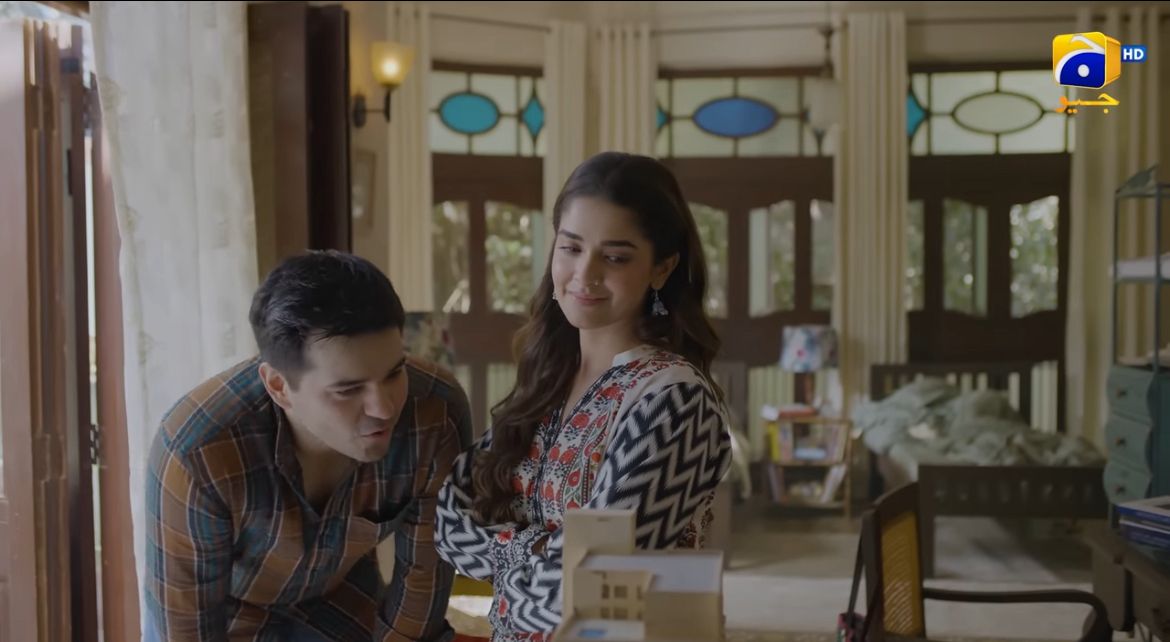
Aside from bashing patriarchy, Meri Uraan also sheds light on how superfluous notions of superiority can get cultivated in families purely on the basis of wealth. The more wealthy relatives assume that they are much better than their less affluent cousins, making pointed jibes and refusing to socialize with them under the pretext of having to maintain a certain standard.
Anika Zulfiqar puts out a powerful performance as the independent, outspoken female lead. The actress may be relatively new but Meri Uraan is testament to her strong screen presence and hold over her craft. Shahroz Sabzwari, as the male lead, acts well. In fact, he slips so easily into the role of a good-at-heart, sincere romantic hero that it is a pity that one doesn’t see him very often in such roles. Despite having the talent and the looks, Shahroz remains one of Pakistani entertainment’s more underrated young actors.


The ensemble cast is a prodigious one, including Shabbir Jan, Hina Khawaja Bayat, Laila Wasti, Farhan Ally Agha, Tara Mahmood, Adnan Jaffar, Seemi Raheel, Maha Hasan and Hamzah Tariq Jameel. Shabbir Jan particularly stands out as Ruha’s cantankerous, misogynistic uncle, delivering dialogues like ‘Larki ki taleem pe jitna bhi kharch kar lo, beti beti hee rehti hai, beta nahin banti’. An incensed Ruha promptly retaliates with some pointed dialogues of her own.
And while the debates that ensue have one cheering, they also make one ponder over a potential loophole in the script. Ruha has been living with her family, battling patriarchy all her life. However, her clashes with her extended family are very aggressive, almost as if she is only being targeted by them now. Why are her uncle and aunt ranting against her now? Or has this always been the case? One gets confused at their constant disdain and Ruha’s reactions to it, particularly since both families have always lived together.
Also, Ruha’s cousin, Qudsia, is discouraged by her parents to foster any ambitions, with the focus being entirely on her marriage. Once married, though, she cries that her husband says that she has no identity. ‘Aik saleeqaymand larki, farmaanbardaar beti or biwi ke ilawa mein kya hoon?’ she asks tearfully.
It is understood that the story wants to stress upon women retaining their individuality, but in doing so, it seems to be putting down women with an inclination towards domesticity. While Qudsia may have belatedly realized the need to pursue her individual interests, why are her domestic inclinations denounced so conclusively? While a woman has the right to have ambitions and dreams, just like men, she cannot be considered worthless if her goals are more inclined towards the home.
Overall, though, Meri Uraan is refreshing, balancing a message-driven plot with slight whiffs of romance and a dash of family politics. It makes for a great telefilm to watch over the weekend – and a thought-provoking one, with the power to inspire change.




What do you think?