






By Maliha Rehman
Week after week, episode after episode, Aik Aur Pakeezah leaves you with scenes and dialogues that haunt you later.
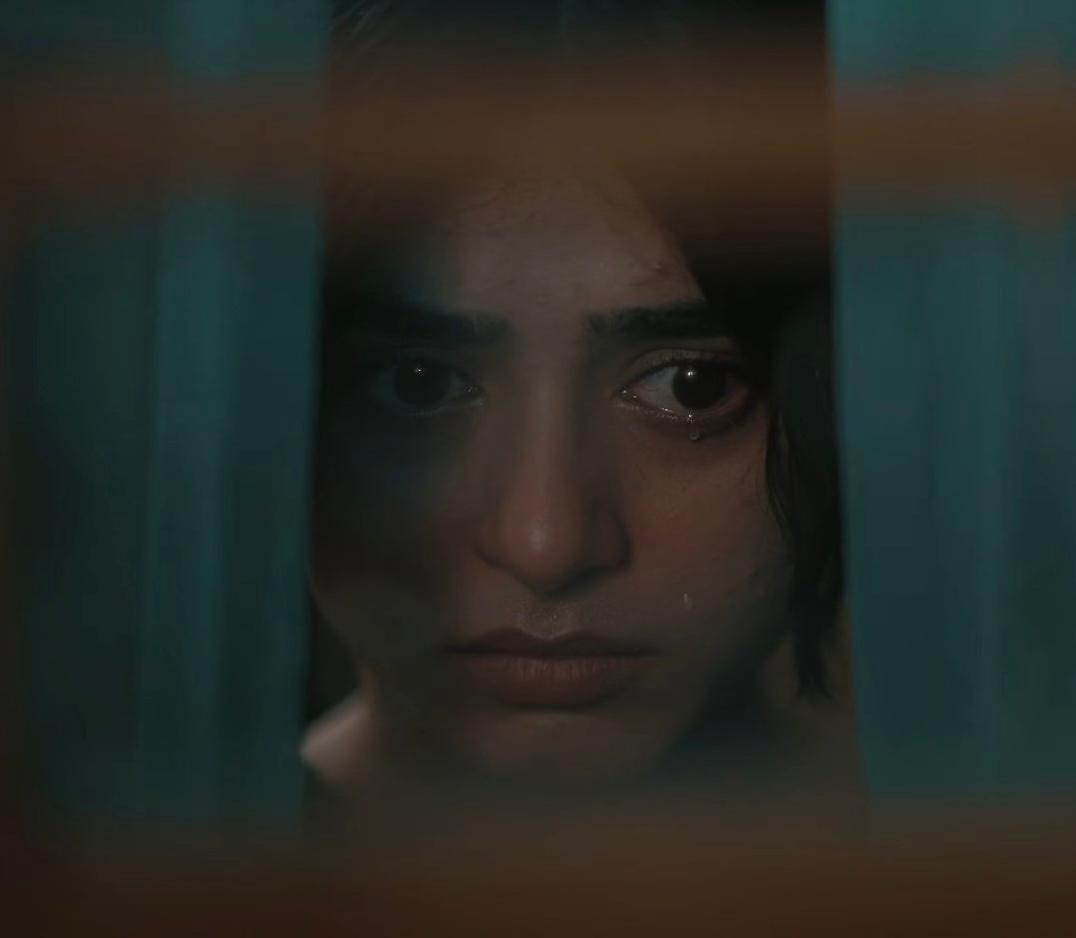
An empty-eyed Pakeezah smiling bitterly as she says, “Lag toh gayee hai … kaalak … balkay thup gayee hai …”
A tone-deaf mother telling her daughter: “Aurat zaat ko dheema ho kay, neecha ho kay chalna hota hai gali mein … jawan larka hai … machine thori hai … larkay say ho jaati hain aisi ghaltiyaan jawani mein …”
A father hanging his head shamefully, brothers beating themselves up and talking of ghairat, a marriage taking place in the dead of the night, with the bride leaving her parents’ home with the groom, on a stuttering motorbike, both of them wearing old, crumpled clothes.
Written by the exceptional Bee Gul, every sentence in the script is well-knit, driving home important conversations and stirring emotions and director Kashif Nisar – also one of Pakistan’s finest – has narrated the story with great sensitivity. Airing on Geo Entertainment, and created in collaboration with Kashf Foundation, the drama, still in its initial run, is already being lauded for raising the bar in Pakistani entertainment.
While the drama is cause-based, designed to instigate social change, the script never deteriorates towards sermonizing. The lessons are woven into the story. Most significantly, there is the recognition that cyber-crime is a recognizable offence that is punishable by law. As the drama progresses, one anticipates that Pakeezah, played by Sehar Khan, will join hands with Barrister Saman, enacted by Amna Ilyas, and seek justice for herself and her husband Faraz, played by Nameer Khan. The necessity of allowing easy access to justice to individuals complaining regarding sensitive matters will be highlighted.
Within the layers of the story are other observations: how men are treated differently from women when there is a scandal, the misplaced sense of honor that makes a family feel shame for something that is not their fault, how scandal affects an entire family with society passing judgement on family members instead of sympathizing, marital abuse, the tendency to not sympathize with a woman when she is victimized, instead opting to assassinate her character.
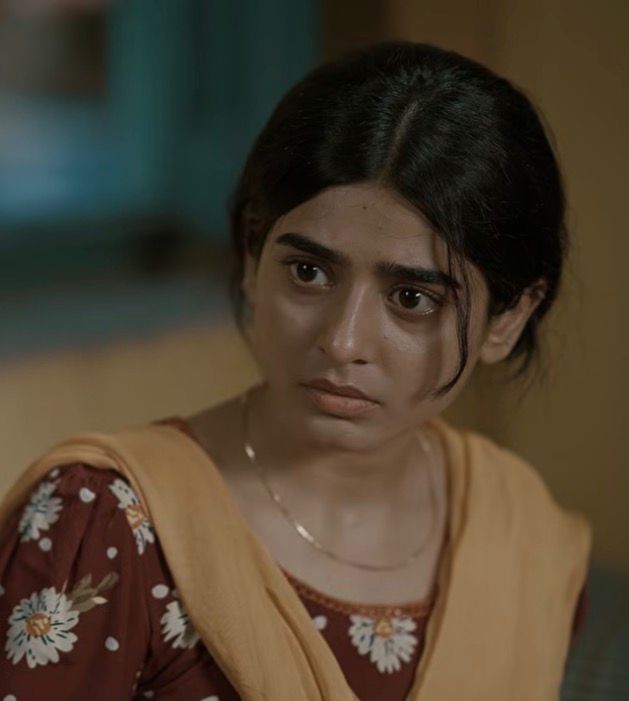
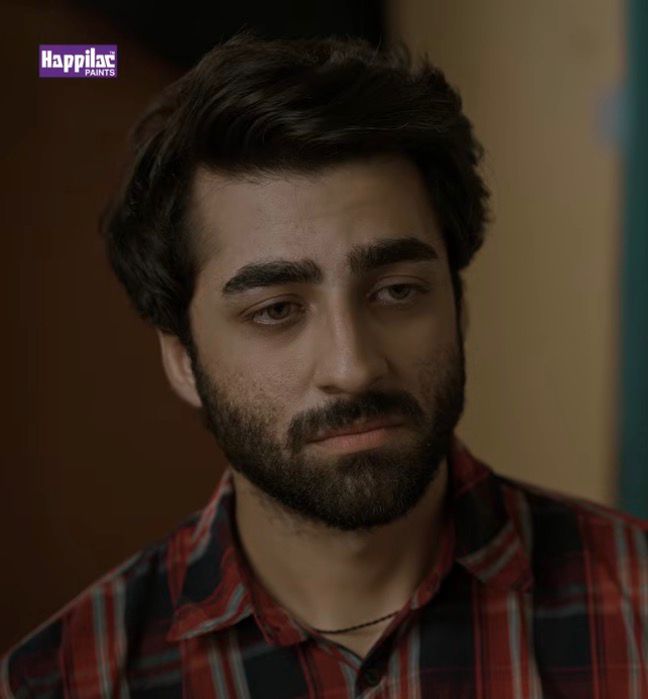
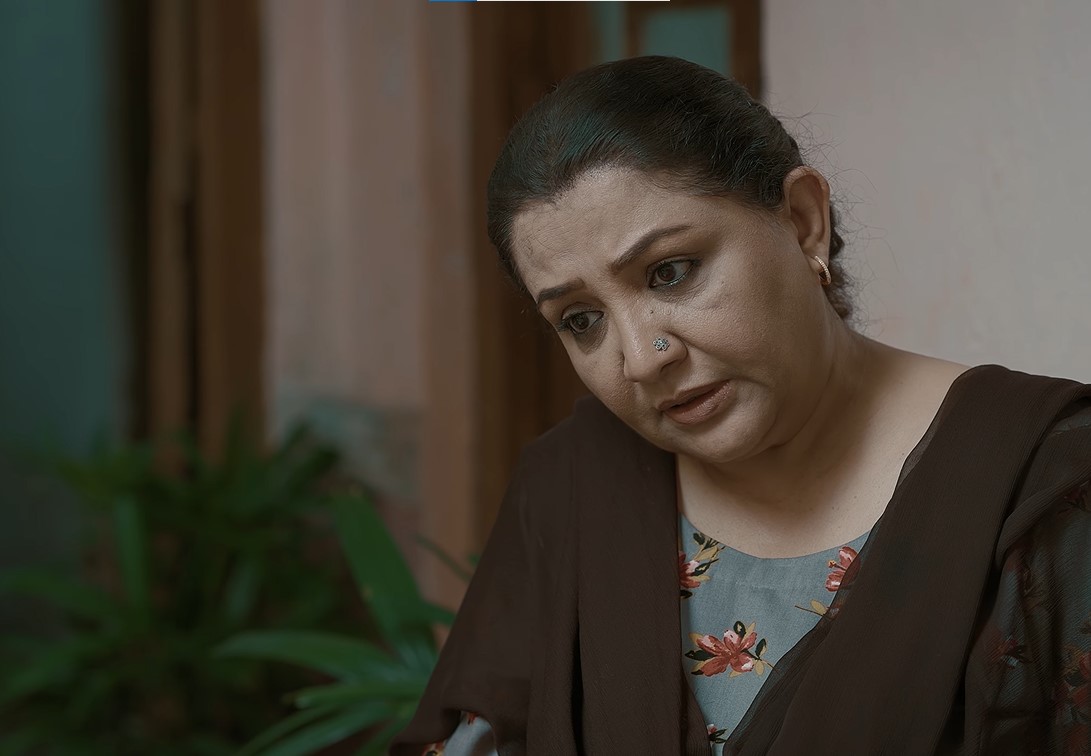
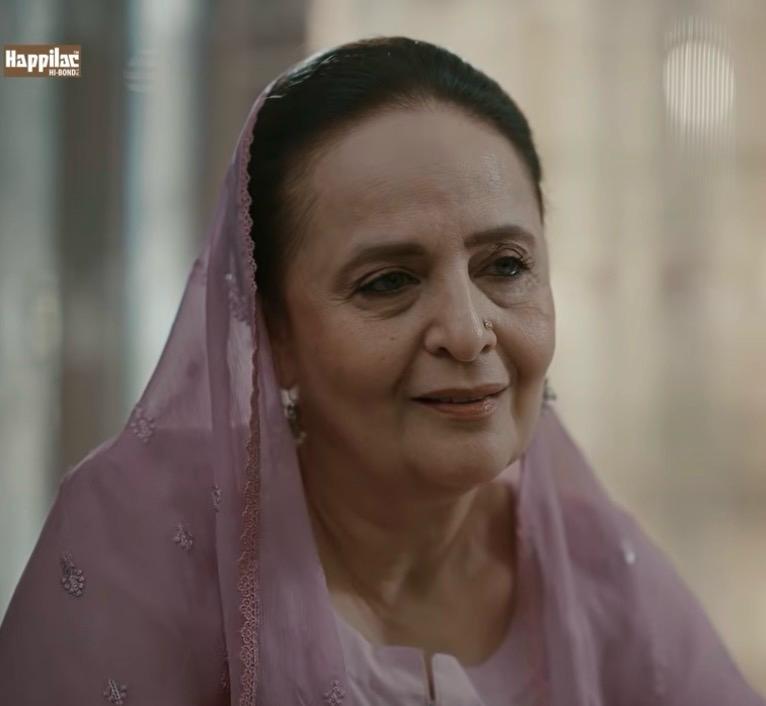
The performances are outstanding. Sehar Khan plays the titular Pakeezah so believably that her anguish, fear and anger gives one goosebumps. Nameer Khan is exceptional as the young man trying to move on from the past, attempting to be cheerful but his pain simmering just beneath the surface of his flippant demeanor. Amna Ilyas and Gohar Rasheed act very well, playing out characters in an alternate story running alongside the main theme, soon to tie up with Pakeezah’s travails. Hina Khawaja Bayat delivers brilliance as ‘Mummy’; well-meaning but sarcastic, hardened by life, with a murky past behind her. Noor ul Hassan and Nadia Afgan perfectly enact the trauma that Pakeezah’s parents are enduring and Umer Darr and Davar Mahfooz are similarly impactful as Pakeezah’s brothers, weighed down by misguided notions of honor.
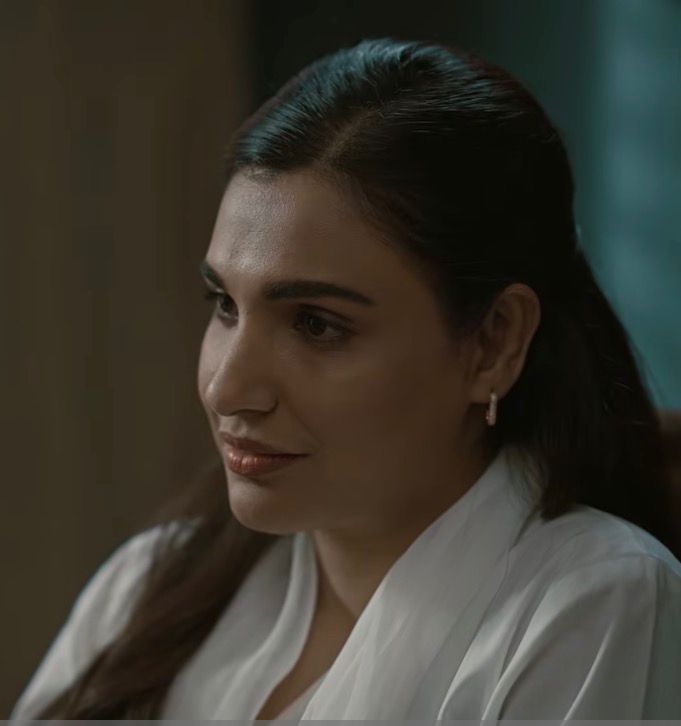
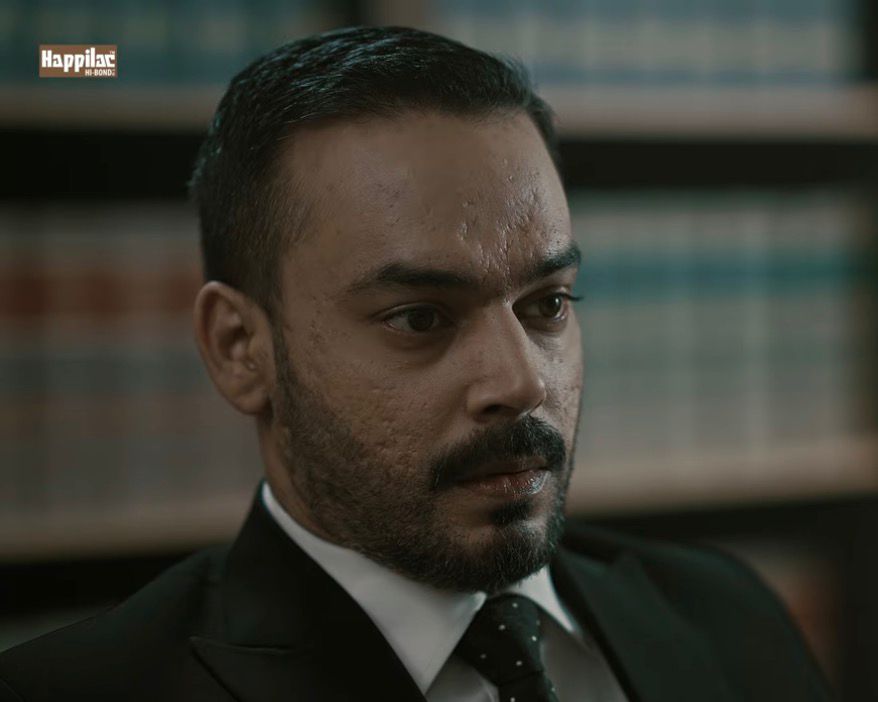
With so much of the story revolving around regret, pain, anger and terror, director Kashif Nisar has intuitively opted for a non-linear form of storytelling. The scenes move back and forth, between the past and the present, essaying the sadness of the present and then, quickly contrasting it with the happy-go-lucky girl of the past, who had dreams and ambitions and was doted upon by her family. Similarly, Barrister Saman and Zubair’s story also offers relief from Pakeezah and Faraz’s troubled lives. The two lawyers are in love and are planning marriage and so far, their interactions have been feel-good. There is trouble, though, that is possibly lurking ahead in a plot twist.
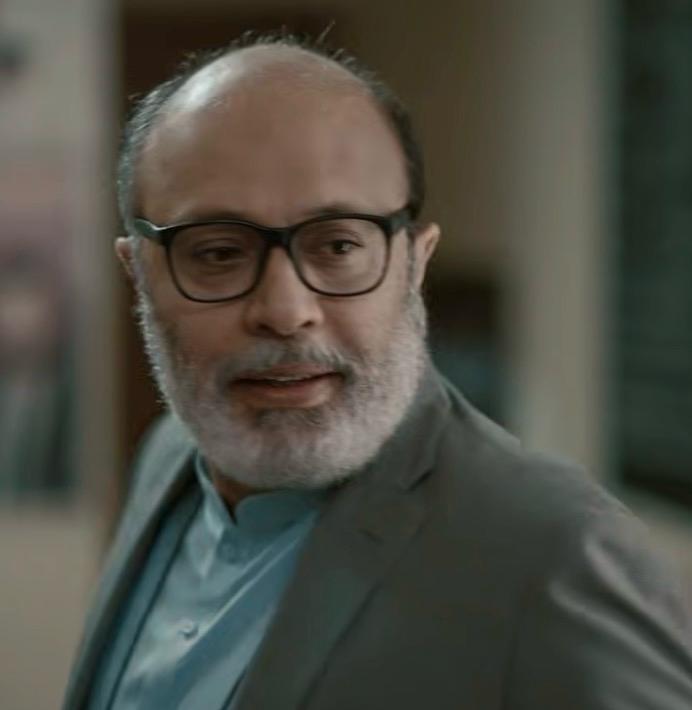
One can’t predict, though, what this twist would be. This is part of the drama’s beauty. You may have some idea of what will happen next but you cannot predict it for sure. You don’t know how many more travails Pakeezah and Faraz will face before they decide to seek justice. You have your suspicions but you can’t be sure of exactly what makes Mummy tick. You just have to wait, for the next episode. And the drama’s narration is so seamless that whenever an episode airs, it holds the audience in its grip.
Is Aik Aur Pakeezah a heavy watch? It can be, but the heaviness is balanced out with other, more lighthearted scenes. Kashif Nisar and Bee Gul don’t want to push the audience into gloom without offering them some respite. They want to deliver strong messages while simultaneously offering hope.
Is it an important watch? Most certainly. Cyber-crime is increasingly prevalent but in Pakistan, many people don’t have enough knowledge about it. Aik Aur Pakeezah is making an effort to change this.
And for TV drama enthusiasts, it is an outstanding project, setting a new benchmark with its narrative and its performances.




What do you think?