



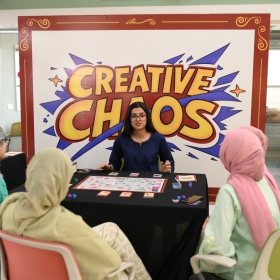
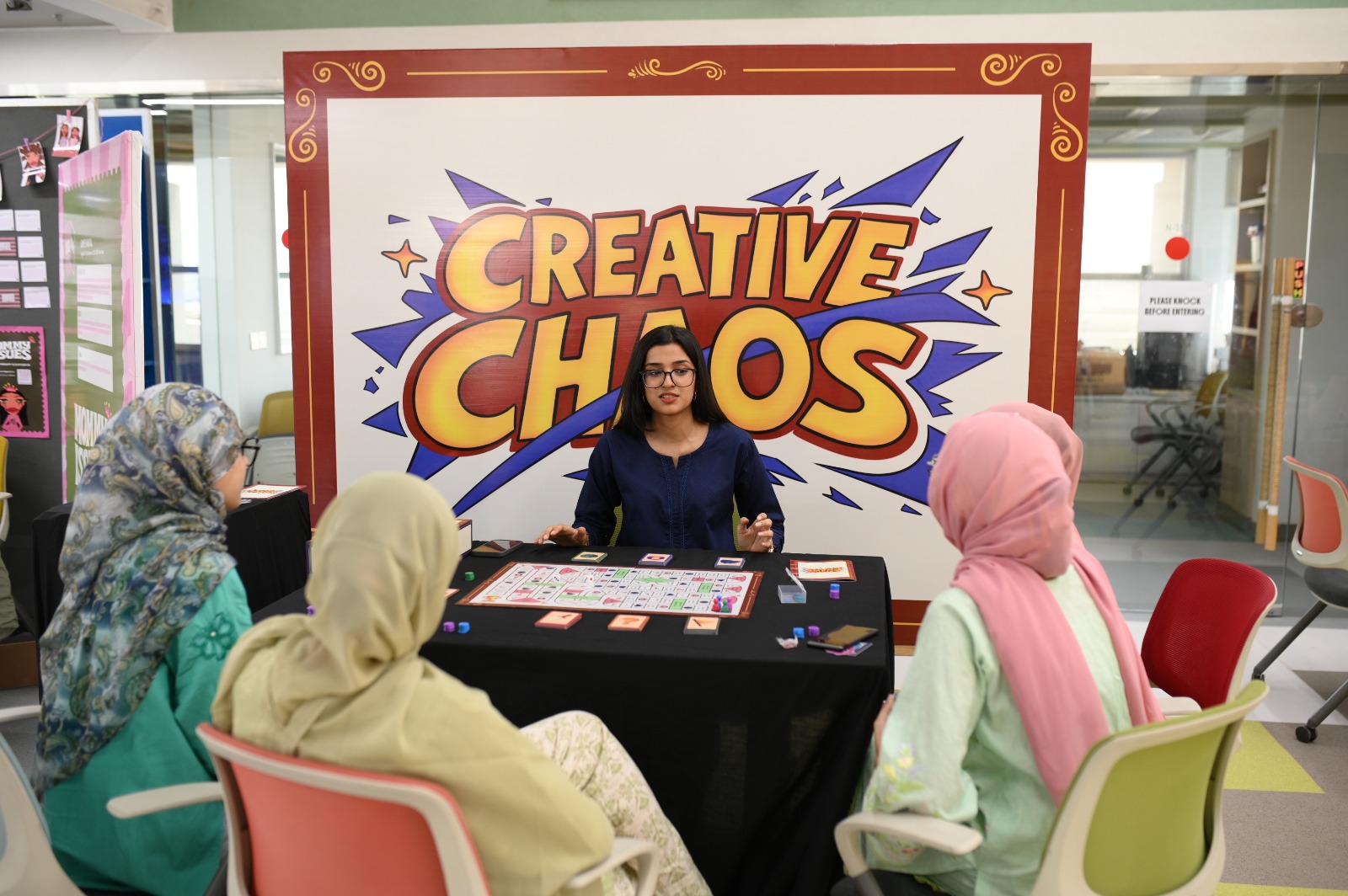
KARACHI — From urban fear and climate stress to accessibility and cultural memory, students at Habib University used this year’s Final Year Project (FYP) Showcase to explore the realities shaping life in Karachi.
The annual showcase presented more than 100 undergraduate projects spanning artificial intelligence, social development, engineering, humanities and design. Many of the projects approached Karachi not simply as a backdrop, but as a living case study for some of the most pressing social and technological challenges facing the Global South.
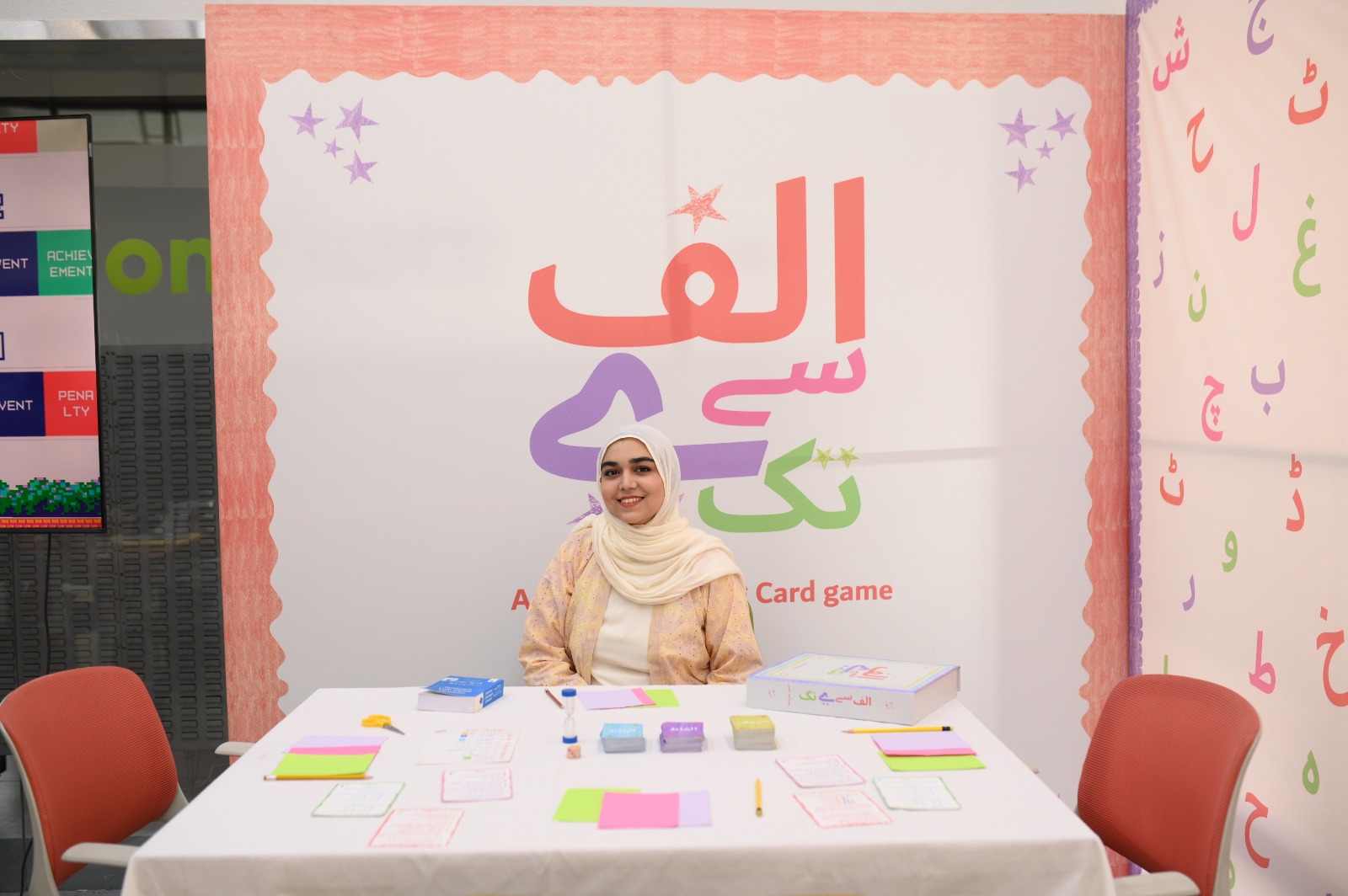
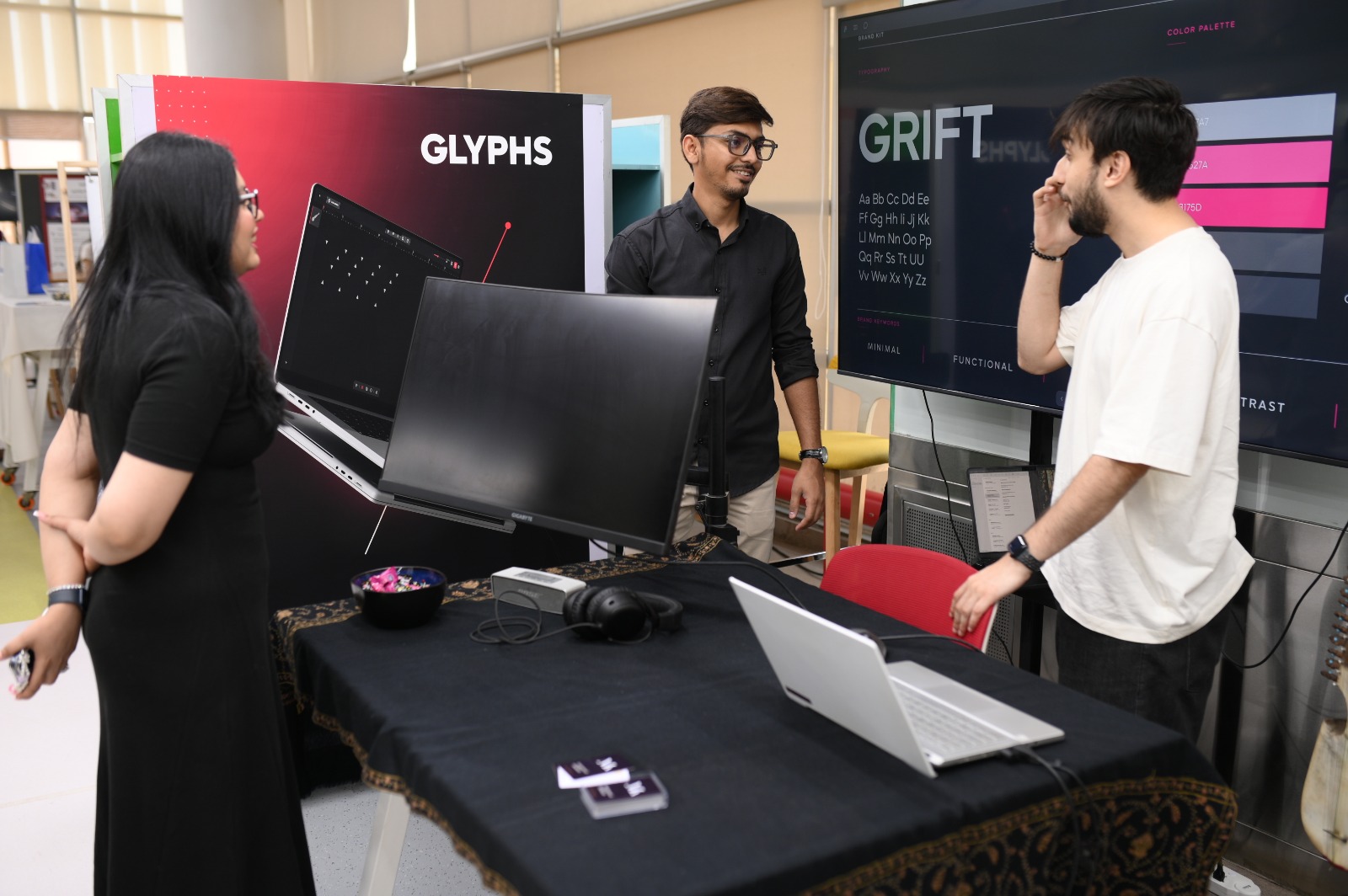
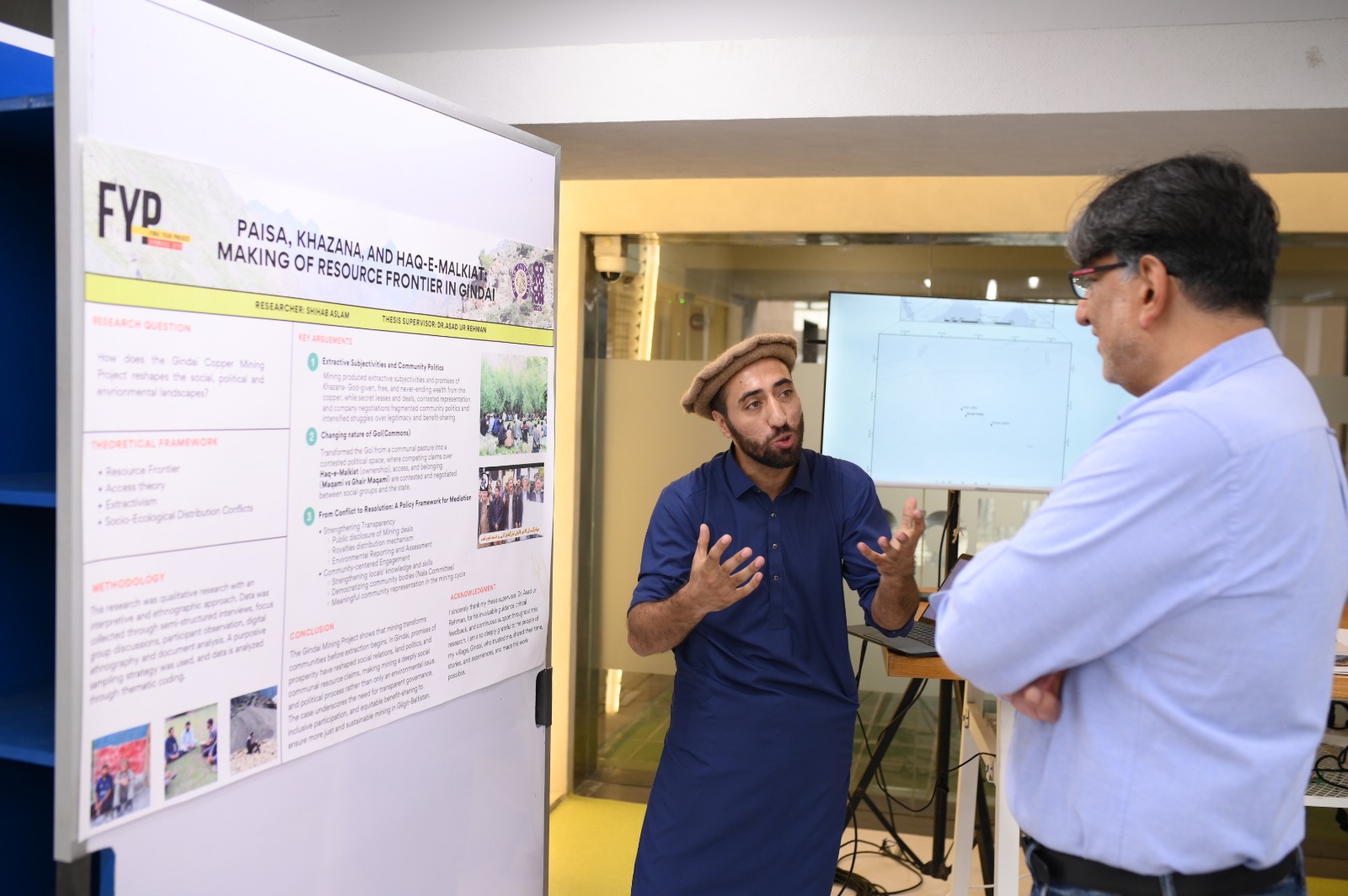
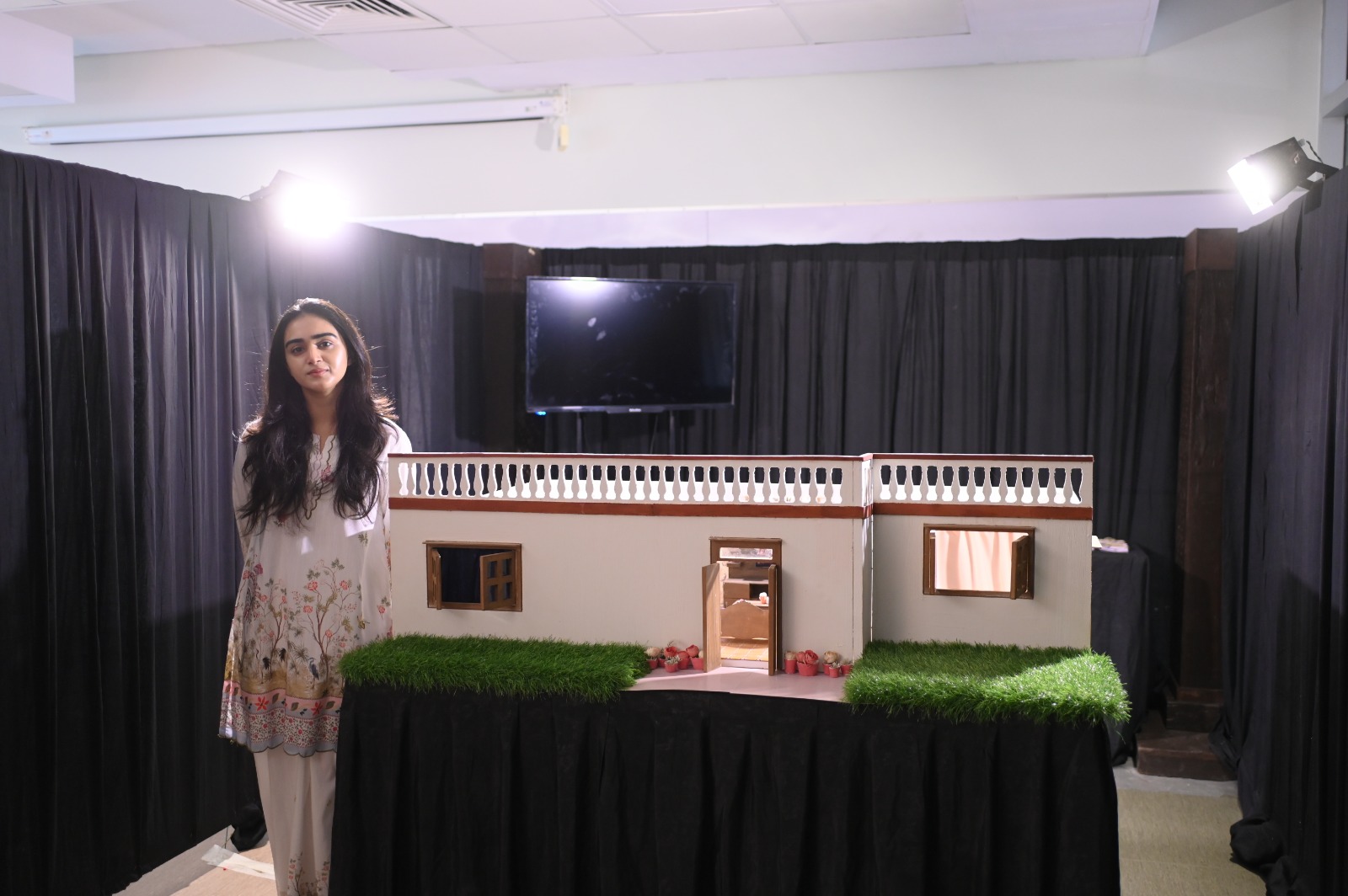
One project, Hifazat and the Home: Negotiating Domestic Security in Karachi, Pakistan, examined how fear and perceived insecurity influence middle-class housing and neighborhood design. Researchers argued that a cultural expectation of catastrophe has transformed the physical structure of urban communities, even beyond actual crime rates.
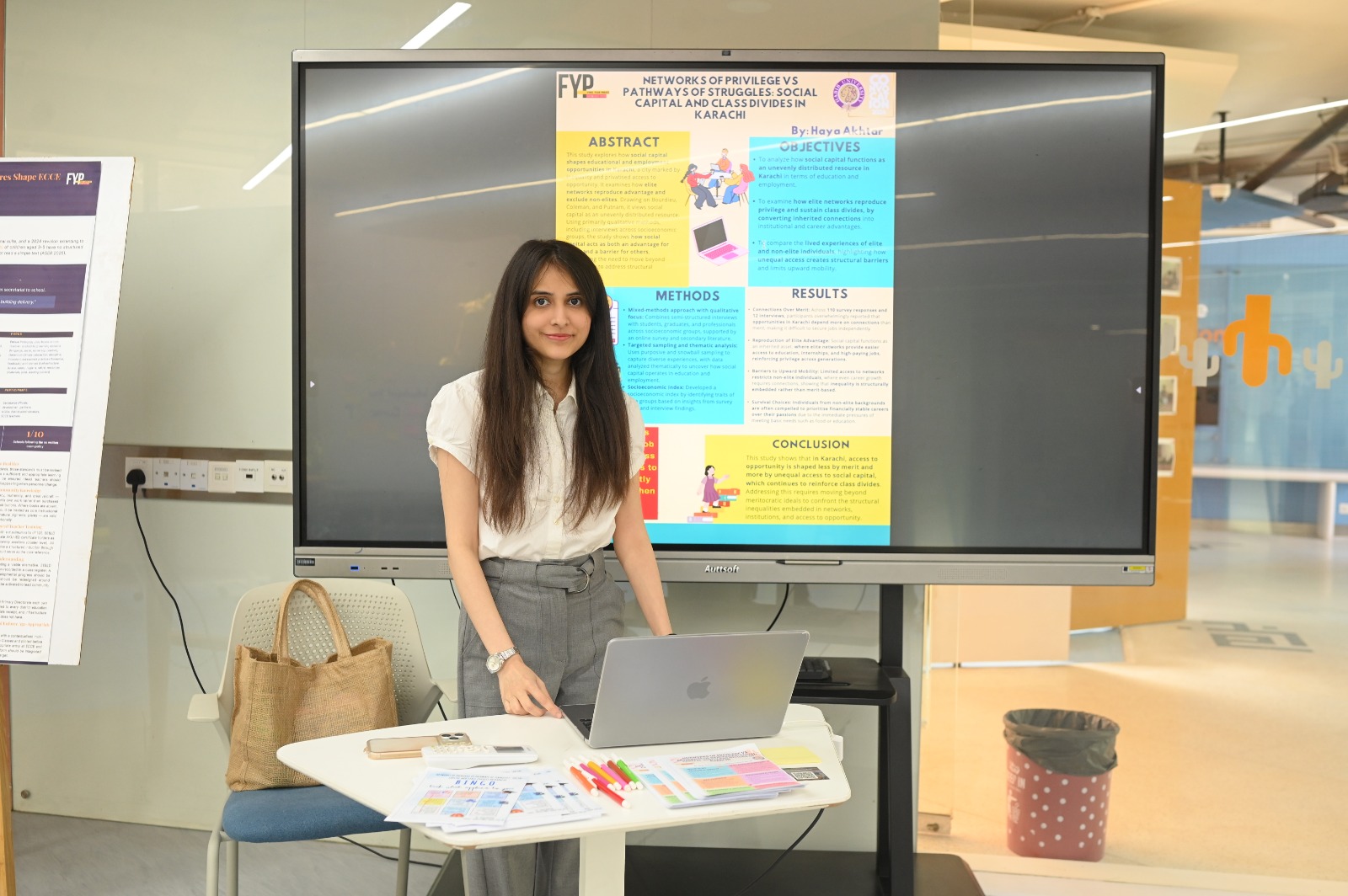
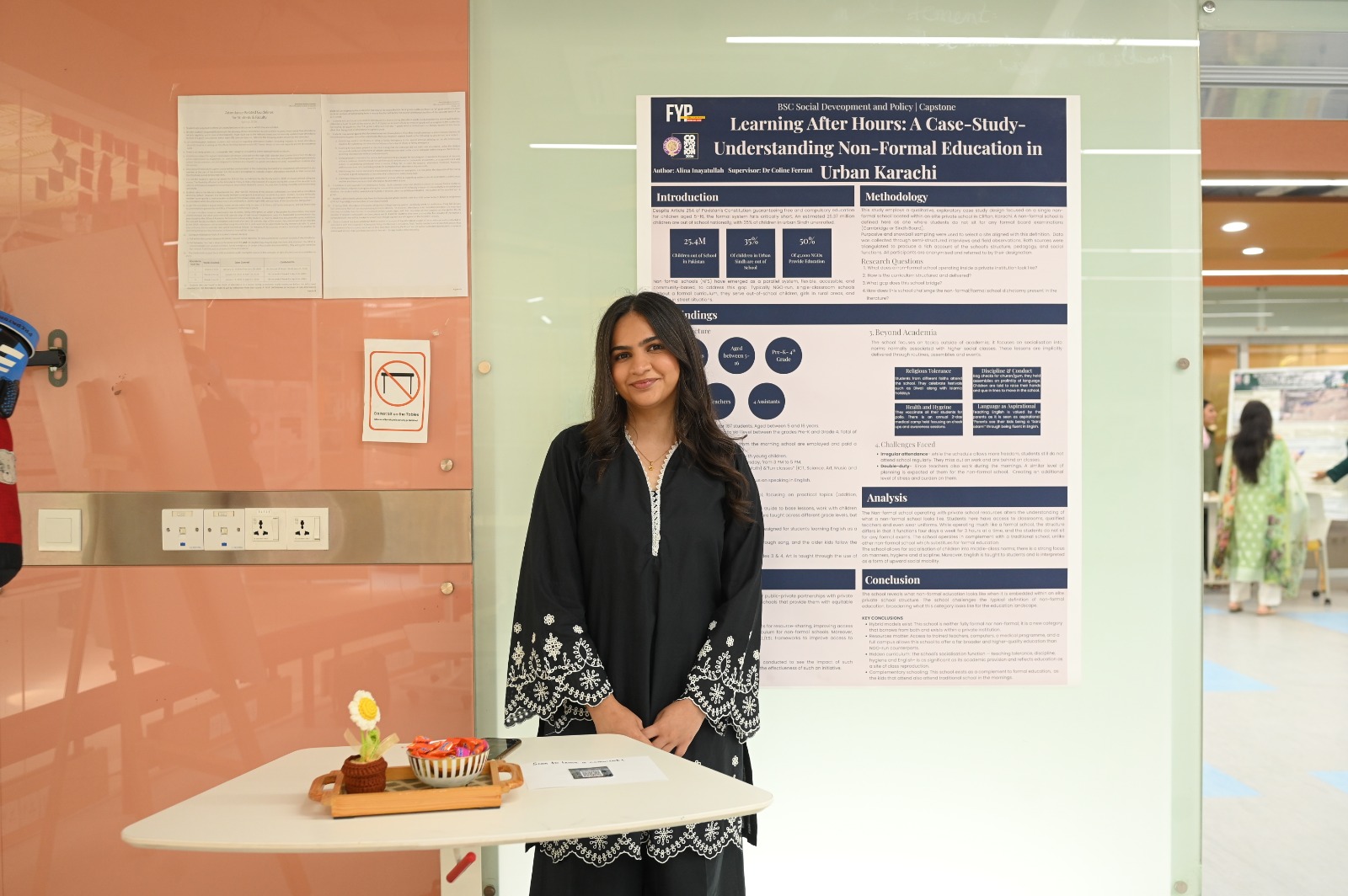
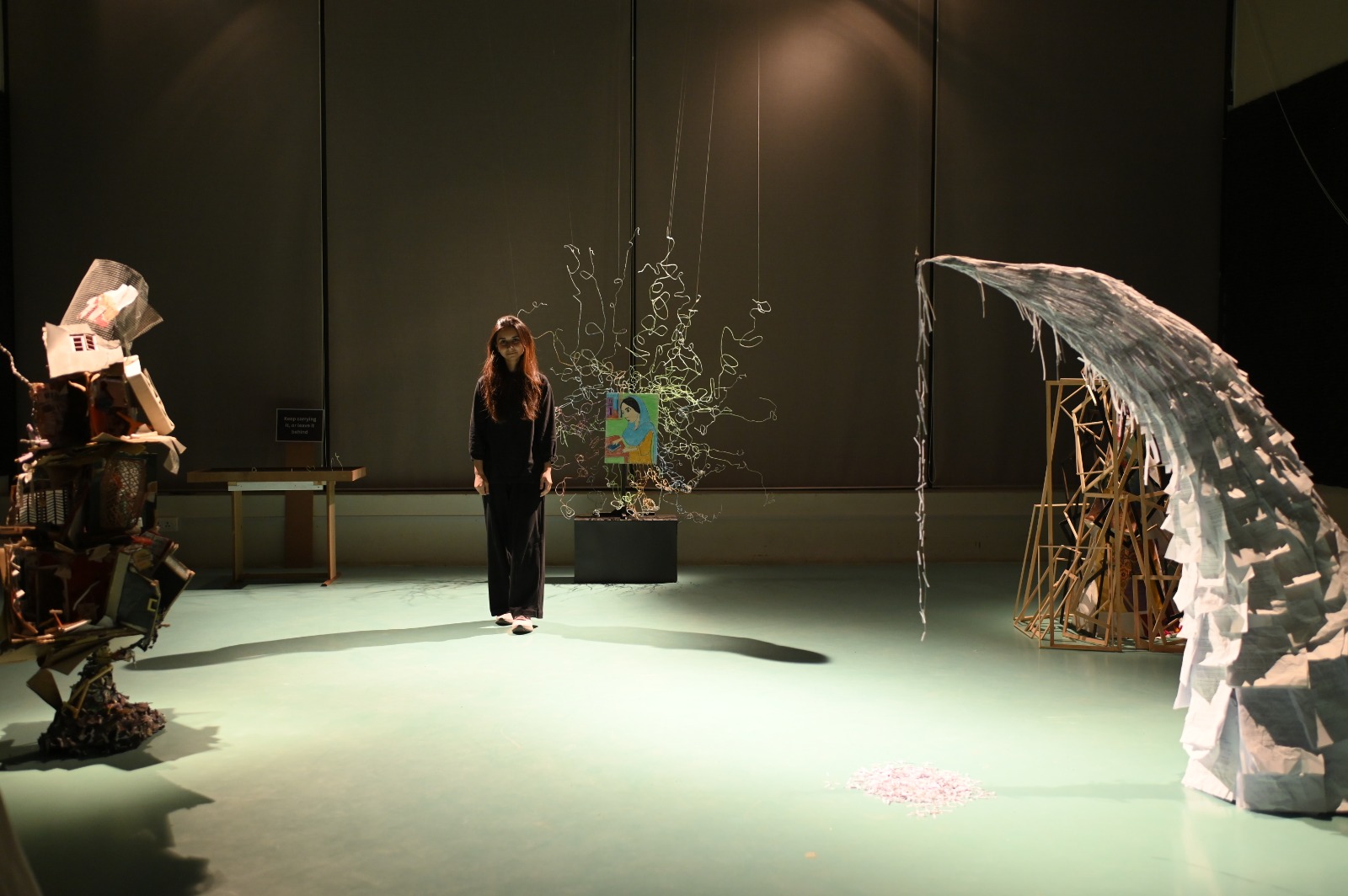
Other projects focused on climate pressure, transport stress and the social fragmentation experienced within rapidly growing cities. Students explored how local challenges intersect with global conversations around sustainability, governance and inequality.
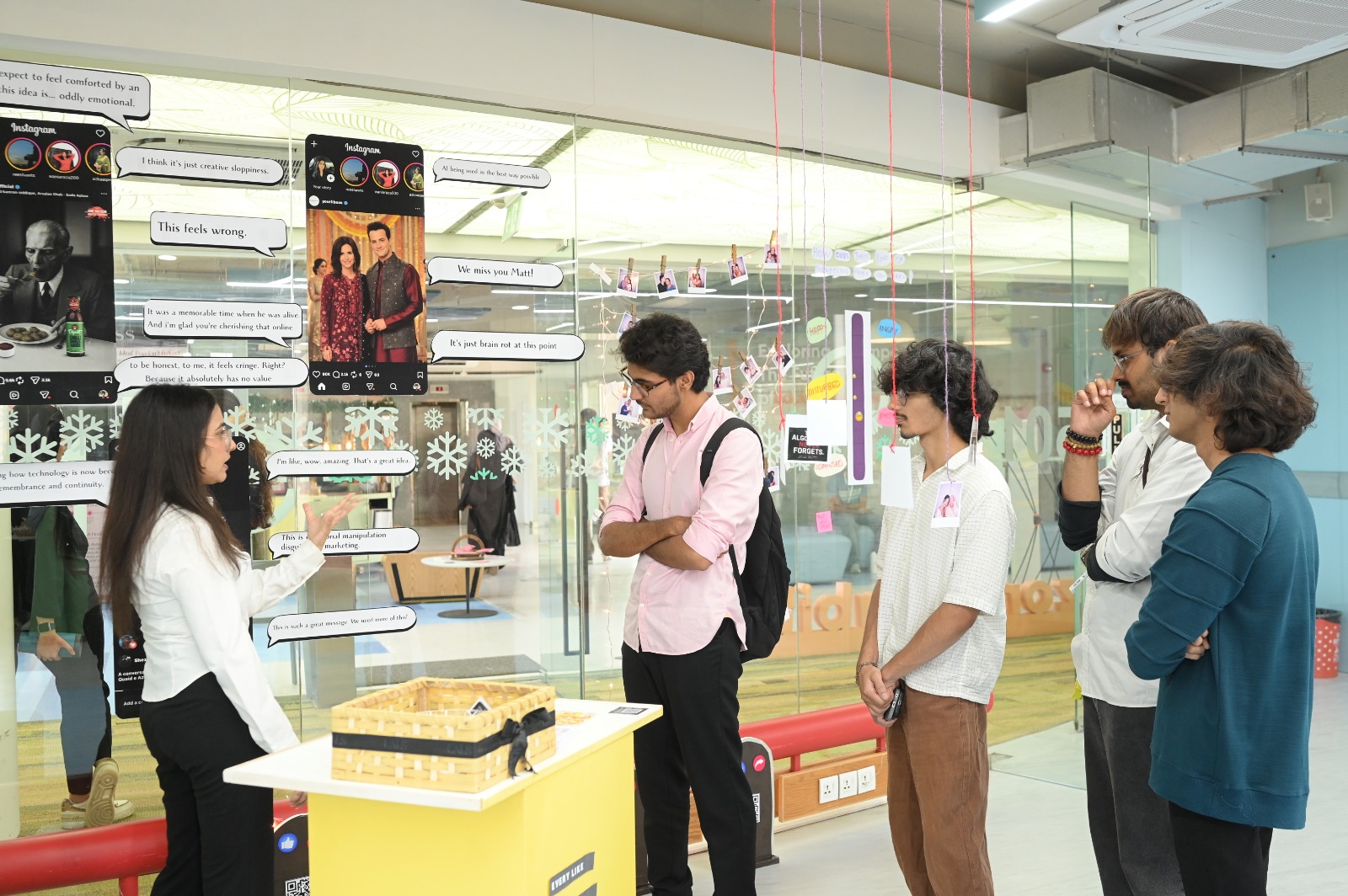
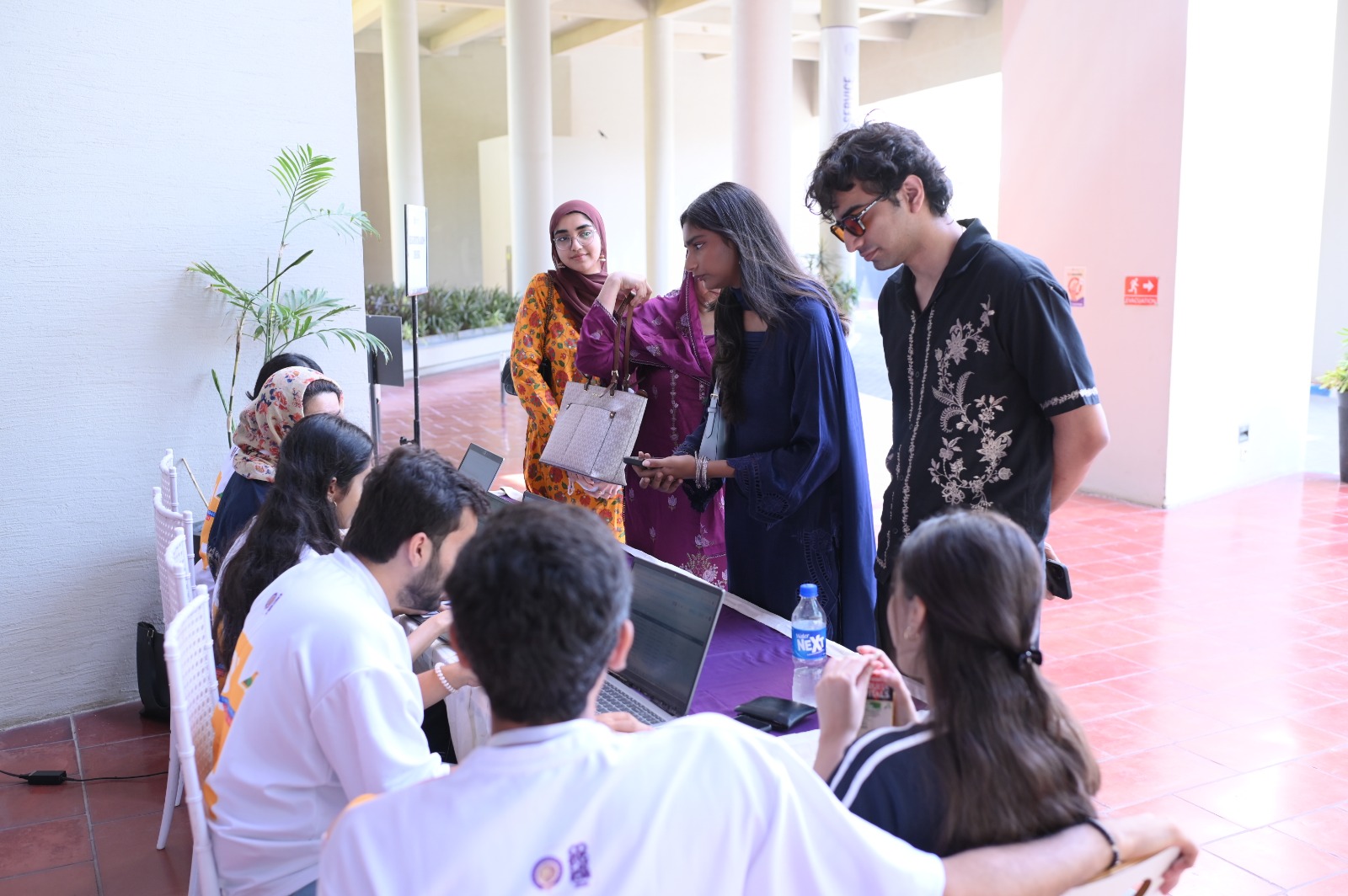
The showcase also highlighted the role of technology in creating more inclusive systems. NeuroZawiya, developed by Computer Science students, proposed a platform to support neurodivergent students facing executive dysfunction in academic environments.
Habib University framed the exhibition as part of its commitment to producing research rooted in local realities while contributing to broader global problem-solving conversations.






What do you think?