


By Maliha Rehman
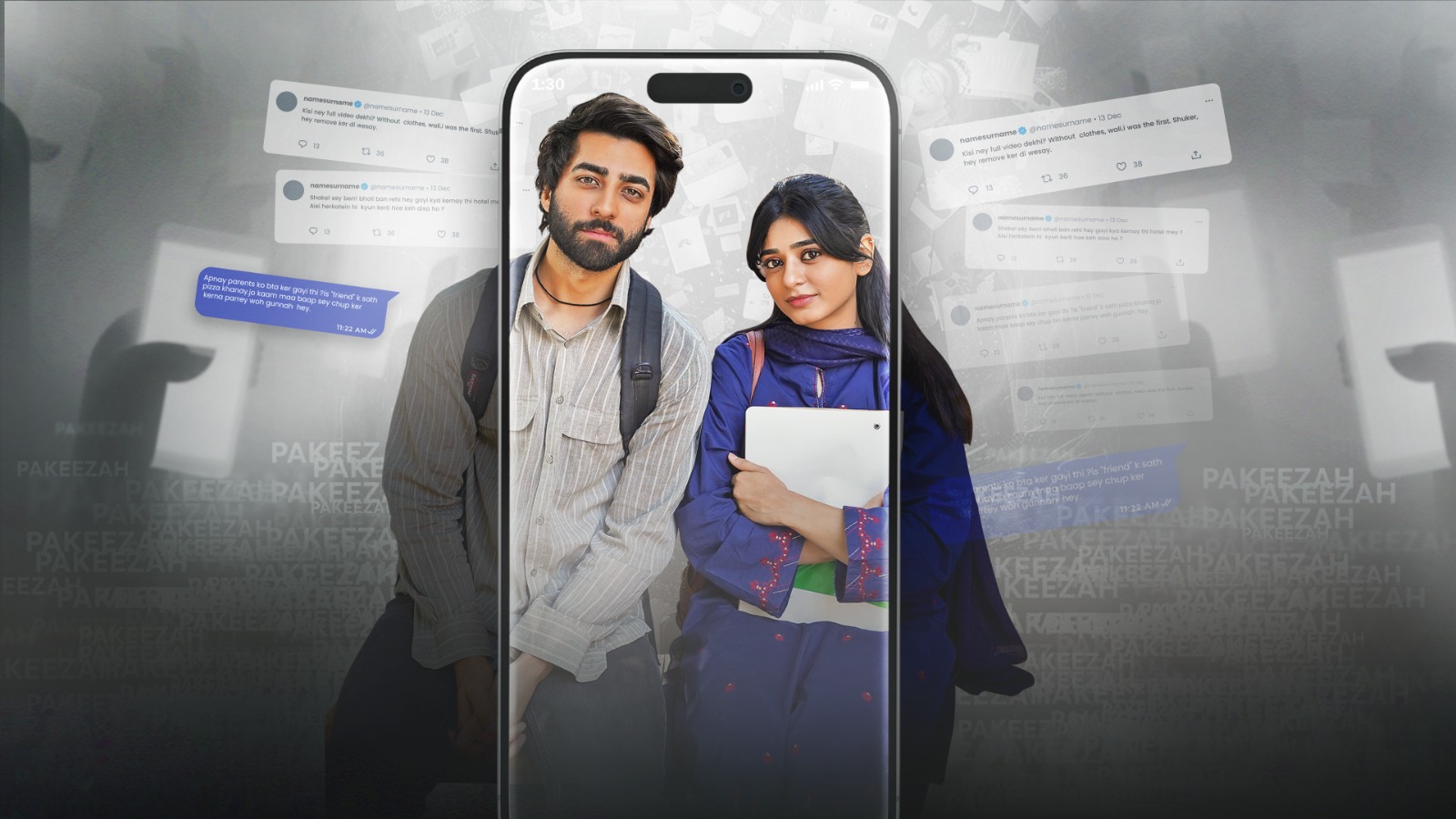
Aik Aur Pakeezah, even before it began airing, was touted as a drama that would be tackling the debilitating consequences of cyber-crime. It was going to start off conversations through impactful storytelling. The trailers preceding the drama predicted as much.
The audience still couldn’t have been prepared for the drama’s very first scene. It was a scene that held you transfixed, gave you goosebumps, horrified you, made you squirm. In its very first scene, director Kashif Nisar and writer Bee Gul introduced the audience to a horrific crime that would change the life of all the various characters mapped across the storyline. You weren’t allowed to slowly grasp the storyline with a buildup of events. You didn’t watch several episodes hoping against hope that disaster would not strike.
Instead, you were delivered raw, harrowing emotion. Helplessness, villainy, terror; all rolled into one scene and the many that followed.
Narrations that are so impactful are rare on Pakistani TV but while one hadn’t been prepared for the drama to start off with such force, one did have high expectations from Aik Aur Pakeezah. The drama boasts some very illustrious credits and the cast and crew eagerly hinted that something special was coming up even before Aik Aur Pakeezah’s TV debut. For one, it is a Kashf Foundation project and the organization has a history of helming well-conceived narratives that send out strong messages while also entertaining through strong storytelling. The drama was going to air on Geo Entertainment, taking the slot earlier occupied by another very powerful drama, Case No.9.
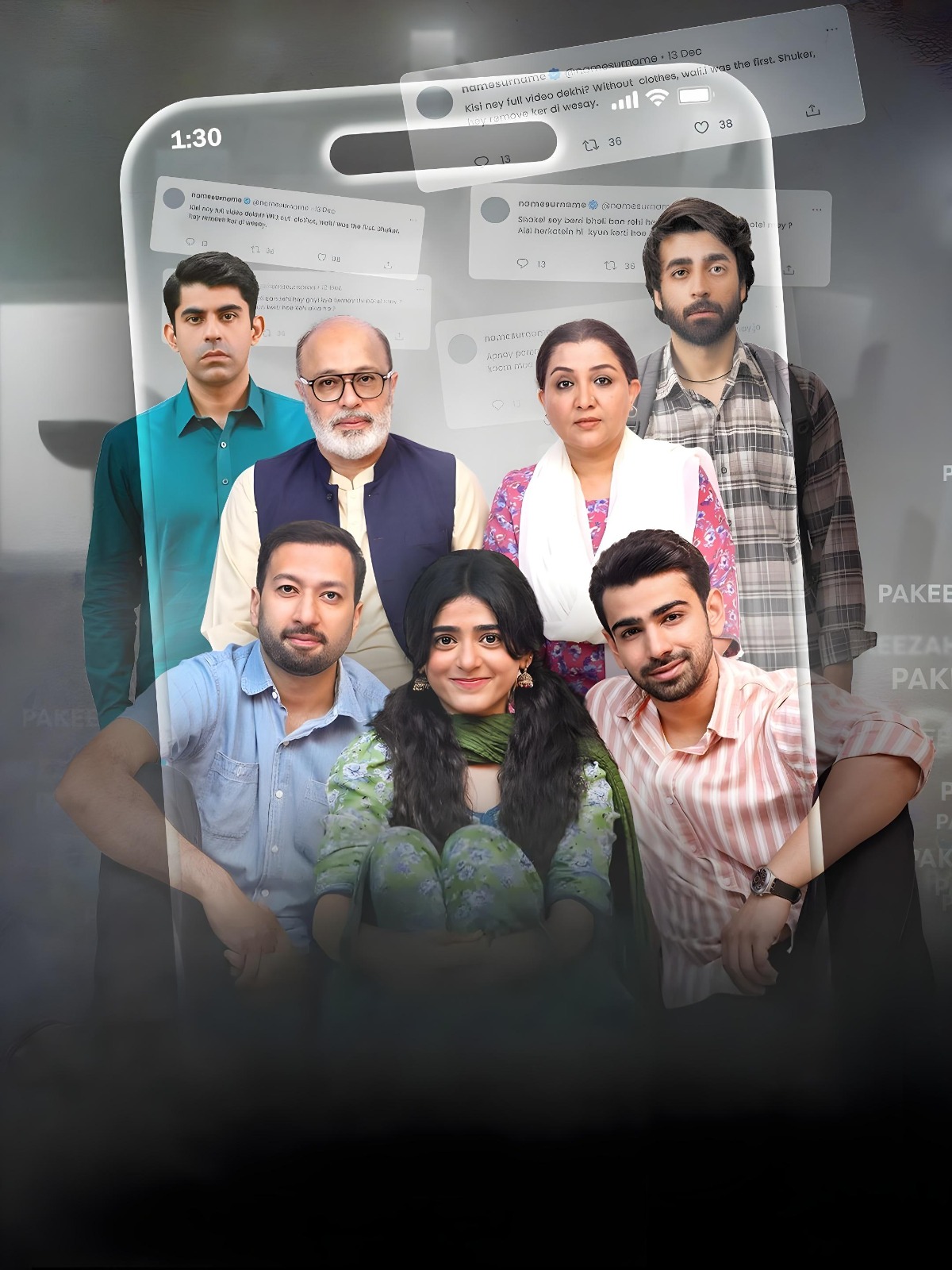
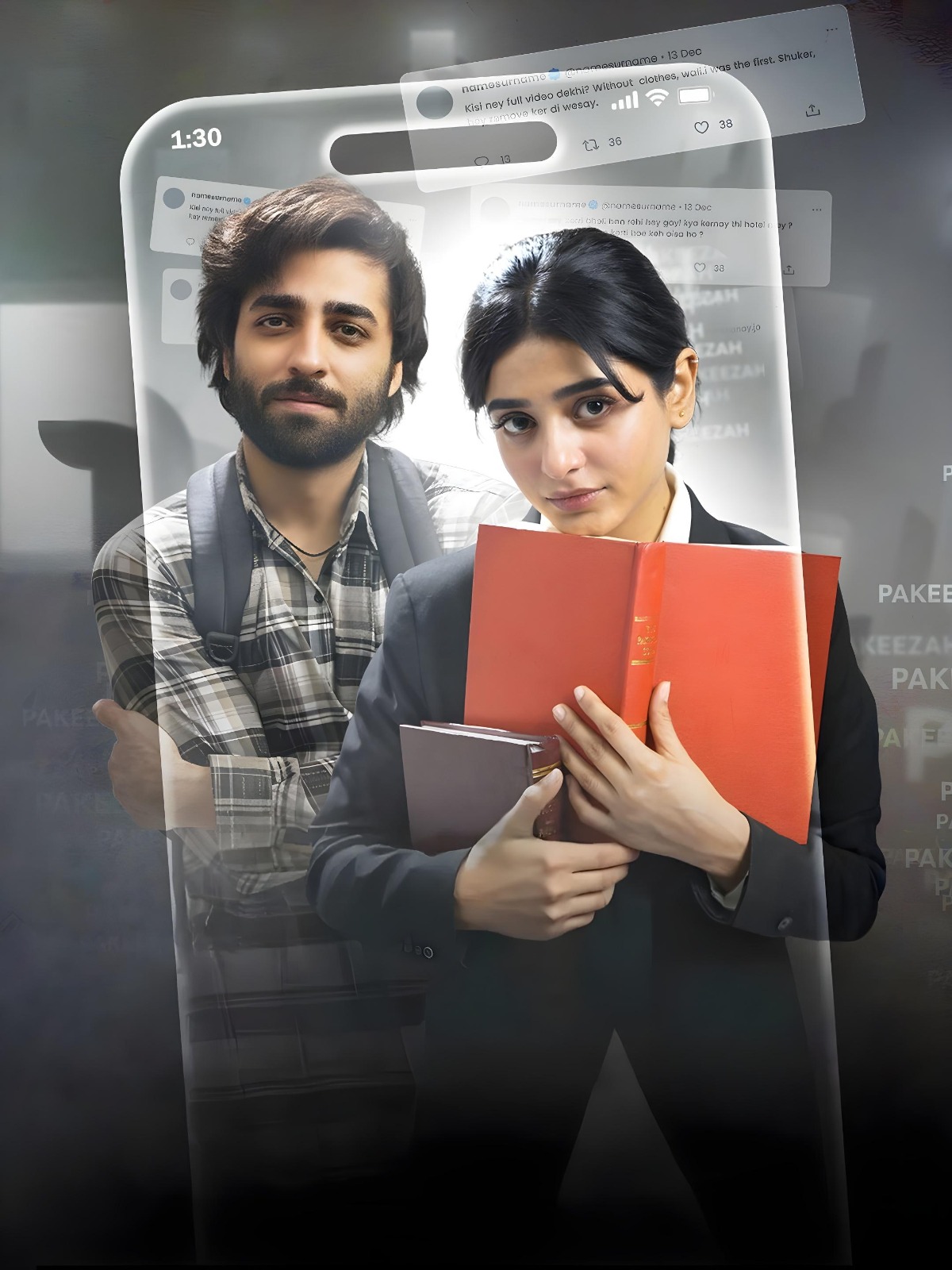
Narrating the story are two of Pakistan’s finest talents: director Kashif Nisar and writer Bee Gul. And then there’s the cast; headlined by Sehar Khan and Nameer Khan, along with Nadia Afgan, Noor-Ul-Hassan, Amna Ilyas, Gohar Rasheed, Umer Darr, Davar Mahfooz, Hina Khawaja Bayat, Ali Jan, Namra Shahid, Saqib Sumeer and Yusra Irfan. It is a story about Pakeezah and Faraz – Sehar and Nameer respectively – who are victims of cyber crime but the script is far too sophisticated to just focus on the two main leads. Like life itself, every character in the storyline is an important piece in the overall puzzle, with his or her own journey and conflicts.
If the first two episodes – which have recently aired – can be observed as curtain-raisers to the overall drama, then Aik Aur Pakeezah is going to be outstanding. There is so much that hits close to the heart. One is reminded of incidents that frequently surface in the news, where videos of individuals have been leaked, leading to their defamation; where women, particularly, have faced online character assassinations when objectional videos of them have surfaced online. The drama addresses the stigmas that such individuals end up carrying and how they are often isolated by their families and friends. Misconstrued notions of ‘honor’ are pinpointed, the emotional and social burdens that such victims end up bearing are narrated and later in the story, the drama will be tackling the difficulties faced when trying to access justice for such crimes.
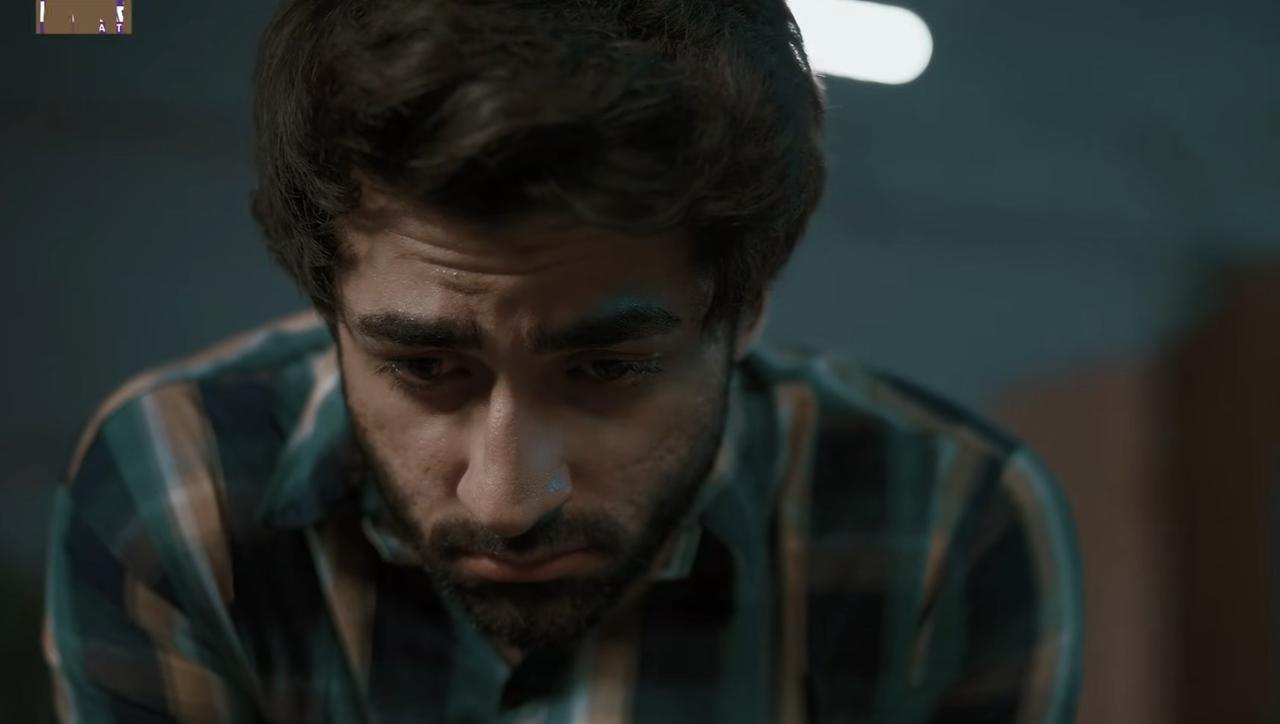
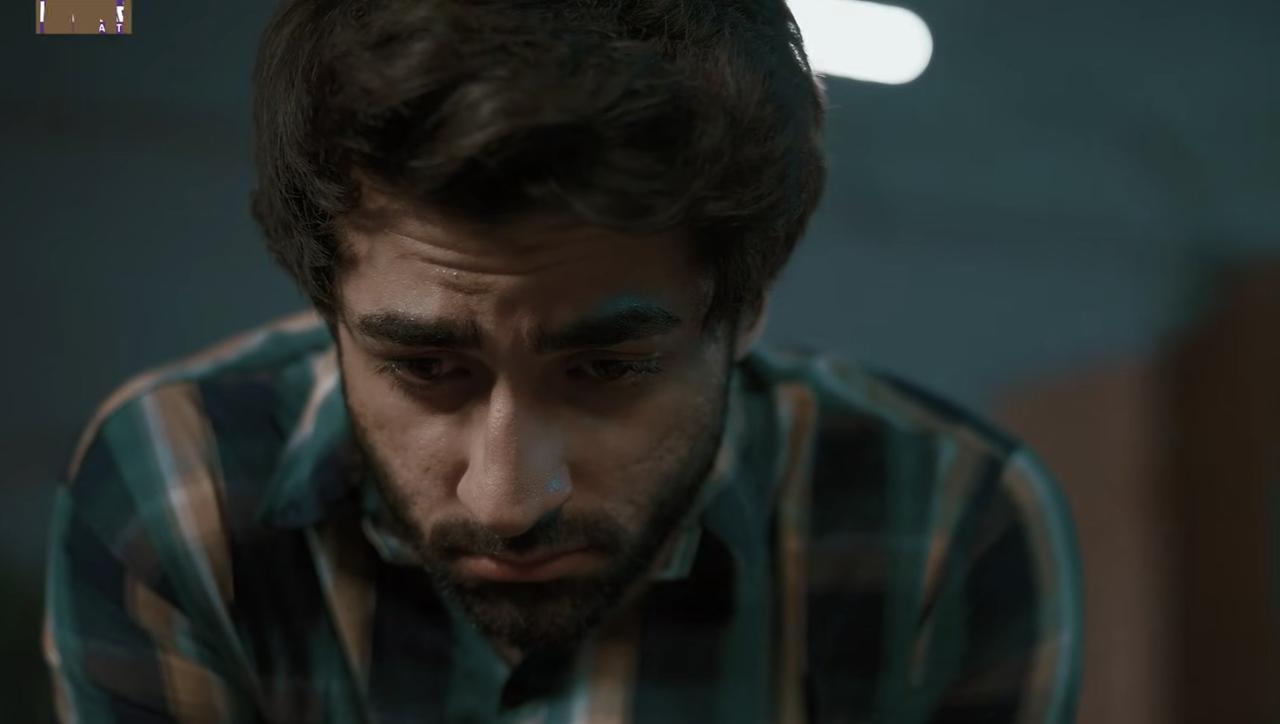
Pakeezah’s brothers, who once doted on her, beat her up and want her to die once an objectionable video of her – filmed at gunpoint – gets leaked. The abuse that endures is depicted in the way she cries out from a room, calling out to her parents, and her mother peering into the room, whimpers when she sees her.
Pakeezah calls herself a coward for not having had the courage to end her own life. Her nikah with Faraz takes place in the dark of the night, her father’s head hanging in shame while the ceremony is carried out, both Pakeezah and Faraz wearing rumpled clothes and leaving, wordlessly, on his motorbike.
Faraz, who was also in the video, can still go out on his own and meet his family but she faces complete seclusion, spurned by her family, hiding her face in shame lest someone recognizes her, not even walking out in daylight.
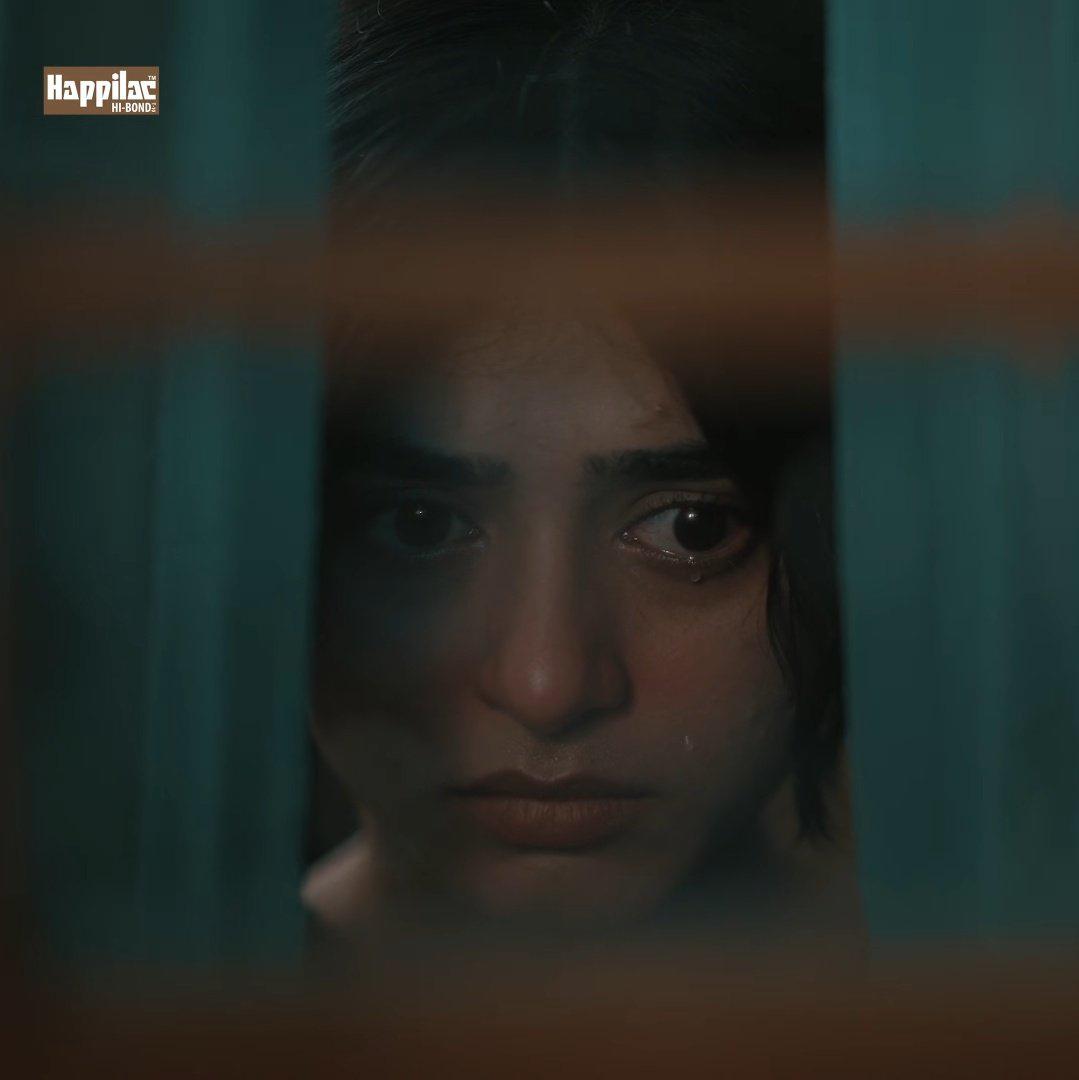
“Tu apne baap ke saath shaljam gosht kha sakta hai, jo teri maa ne pakaya hai, mein apnay ghar mein toh kya apni gali mein bhi pair nahin sakh sakti,” says Pakeezah to Faraz tearfully, highlighting how the world is far more forgiving to men.
At another point, she searches a dark alley for Faraz and when she finds him, says, “… wahan andheri galli mein darr gayee, akeli thee na? Phir khayal aaya, darr kiss baat ka? Aurat ko darr toh apni izzat ka hota hai, bhala jis ki izzat hee saaray zamanay ke aagay utar gayee ho, ussay kis baat ka darr?”
Lashing out at Faraz in sarcastic rage, she mimics him pleading with the gunmen who had forcibly made the video of them, taunting him for not having been able to fight them off, angry at their helplessness.
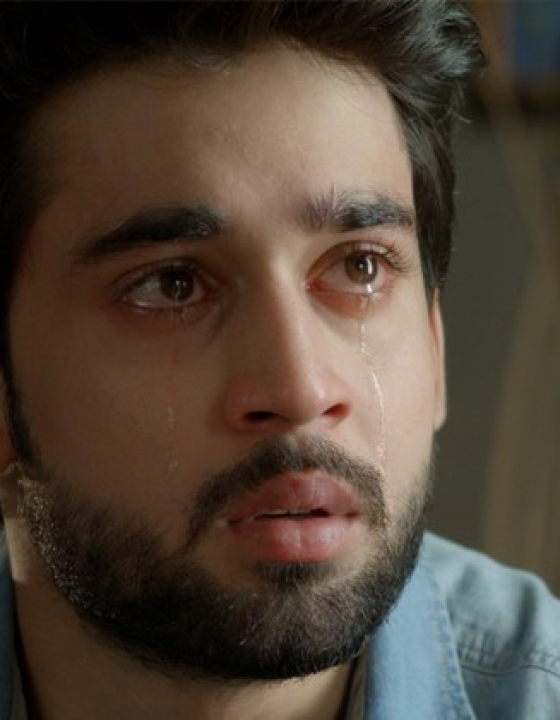
Sehar Khan delivers her best performance to date, making you cry and feel Pakeezah’s pain and frustration. Nameer Khan is similarly brilliant as the trembling, soft-hearted Faraz. And scene after scene, dialogue after heartbreaking dialogue, the conversation revolves around notions of honor and the markedly different ways in which society treats men and women.
But this isn’t just a drama that navigates the painful circumstances that lead to Pakeezah and Faraz’s marriage. The script veers back and forth, between the past and the present. There is Pakeezah, coquettish, dressed in blingy finery, meeting Faraz for the first time at a friend’s wedding. There she is, making plans with him on the phone, telling him what color bridal dress she wants to wear, predicting how disconsolate her parents will be on the day of her wedding. Drinking juice with her elder brother, she impulsively teases him and laments having failed her exams again. Sitting with her father in his office, she eats chocolate while he cajoles her to study harder so that she can become a lawyer.
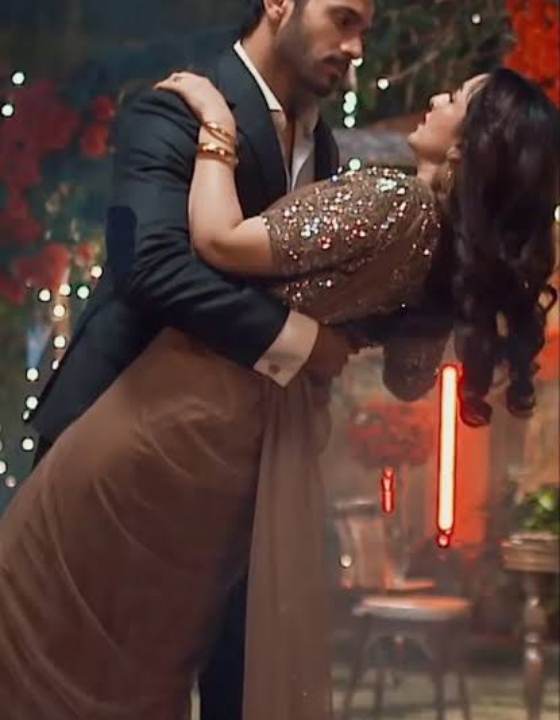
And Faraz in the past is smitten with her, dressed up at a wedding, stealing glances at her while she dances.
Pakeezah and Faraz are vivacious, flirtatious and have dreams. Now they are bitter, depressed, their faces ashen and their spirits deflated.
Also, in sharp contrast, the audience is introduced to Saman and Zubair – Amna Ilyas and Gohar Rasheed, respectively. She is a courageous lawyer and he, a barrister, and they are in love, planning to get married. Saman knows Pakeezah through her father, who works in court with her, and soon, the two women’s stories will come together in the quest for justice. In the initial scenes, Saman’s independence and luxurious surroundings are disparate from the apartment where Faraz and Pakeezah are hiding away.
There are more well-planned contrasts in the narrative. Faraz manically calling out Pakeezah’s name, banging on the bathroom door where she has locked her. And then, Faraz in the past, calling out her name at the wedding where they first met. Pakeezah in the past talking to Faraz on the phone, talking about the day of her wedding and then, her actual wedding, with her family weeping and her mother trying to wash away her pain by scrubbing at utensils.
The actual crime, when the objectionable video is filmed at gunpoint, isn’t shown for too long but the details are horrifying: Faraz forced to take off his shirt, Pakeezah being told that her clothes must be itching her and she needed to take them off.
It is scary. Gripping. Relevant with social media running rampant in the world around us. And engaging, with the story moving back and forth, relying on music, artistic visuals and brilliant performances.
There were high expectations attached to Aik Aur Pakeezah even before it debuted. But undoubtedly, it has surpassed those expectations with its first two episodes.




What do you think?