

By Maliha Rehman
Flashes of neon, thumping beats, the camera veering into the nooks and crannies of a discotheque and a series of young, exciting stars.
It took two years for Velo Sound Station (VSS) to make a comeback – but it’s come back with a bang.
The fledgling platform for pop music had a sensational launch back in 2020, helmed by Bilal Maqsood, and now has a new team on board. It is certainly not an unfamiliar team: Rohail Hyatt, ex-Vital signs, the music wiz who brought Coke Studio (CS) to life and directed six seasons of it, is the executive producer of VSS. Rohail’s stint at CS had been followed up by Strings, aka Bilal Maqsood and Faisal Kapadia, directing the next four seasons of the show. And now, in a karmic game of musical chairs, Rohail has stepped on to the VSS stage, earlier occupied by Bilal Maqsood.
Joining him, are Kamal Khan and Zeeshan Perwaiz as directors – names that have long been connected with CS – the duo also directed videos from the show’s most recent season last year. It’s a small world after all.
Having said that, VSS does seem to be intent on building an identity of its own. It’s a young platform, a groovy one, with a particular focus on pop. There’s a fast-paced, ostensibly electronic mix to the music, the artists’ lineup is young and the visuals are tech-savvy. Sifting from modern rap to dance music to retro to an infusion of South Asian elements, VSS’ lineup of originals is catchy and brilliant, the sort of music you’d play in your car, on full volume.


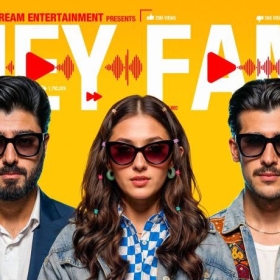
“Umm dadadii,” sing Bilal Saeed, Ziggy and Talha Yunus in the clubby Deja Vu. The trio wear sunshades and brightly colored jackets, searchlights zigzag between them while they sing, up on a stage, surrounded by a dancing crowd. The song delves into rap, a bit of Punjabi gets thrown into the lyrics and you end up humming it all day long.
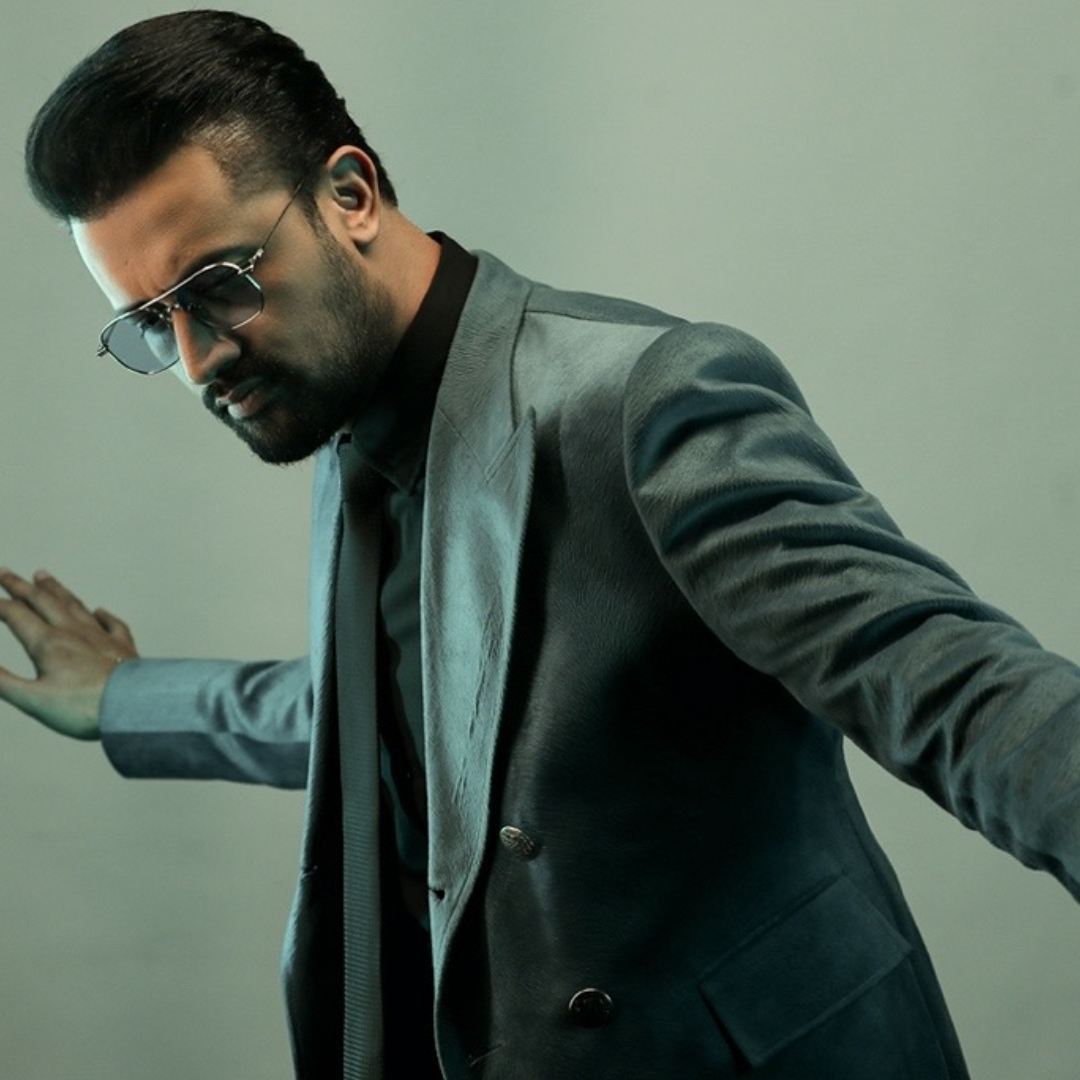
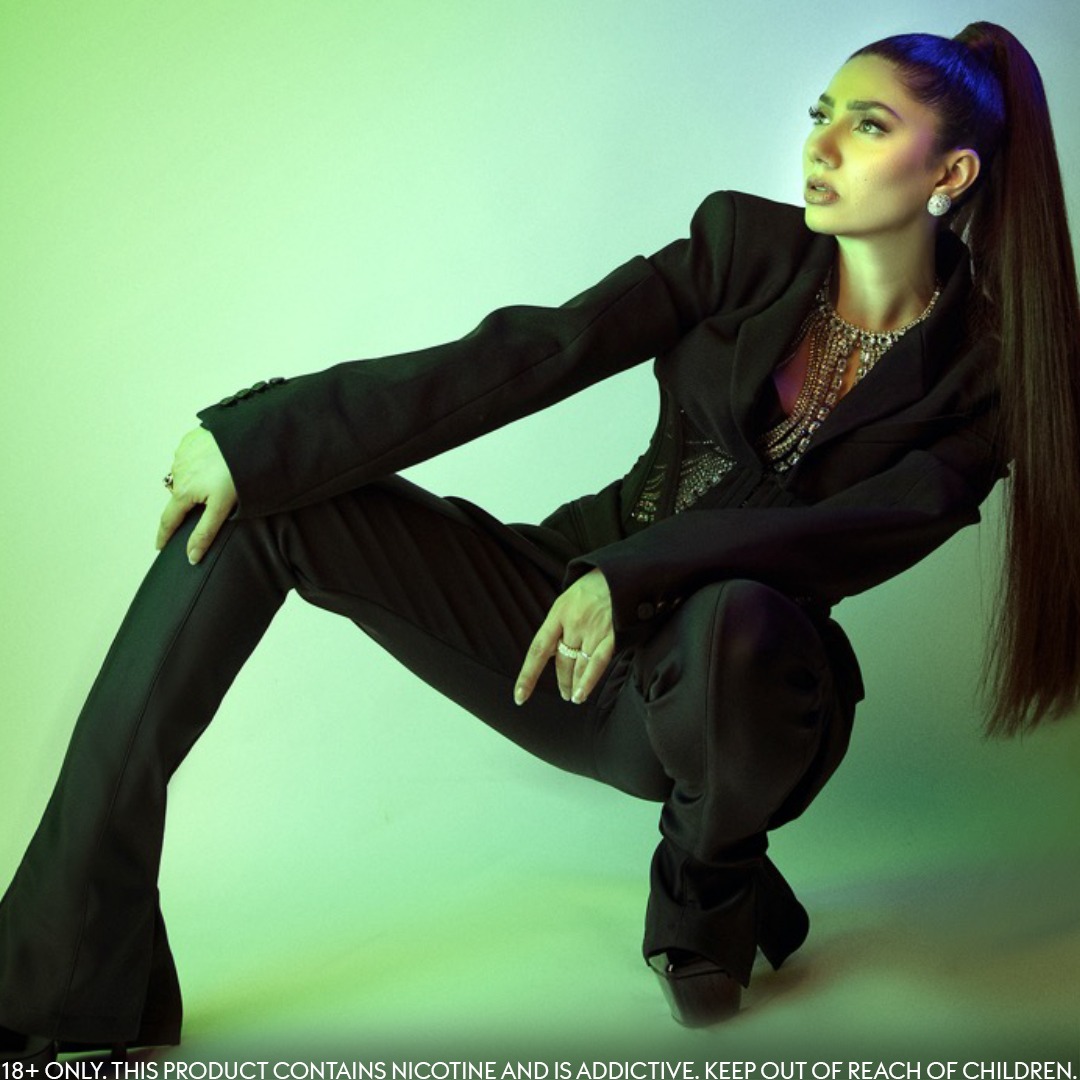
In Pardesi, an introspective Shamoon Ismail sings about love and trust in his signature baritone, walking across a club before getting transported to a surrealistic barren land. Umair Jaswal’s ‘Nakhray’ is a riotous rap anthem to the tune of a rapid-fire video featuring Mahira Khan making some very cool moves. The fabulous Duur is quintessential Young Stunners, the rap lyrics chanted out to a foot-tapping, finger-snapping beat. Mangan Aiyaan features Atif Aslam’s signature vocals at their finest.
The music, of course, is only part of the show. Visuals are essential for grabbing the audience’s attention and then, holding them captive.
Zeeshan Perwaiz elaborates, “The visuals needed to transport the audience to different worlds. Each song had to have a distinctive visual footprint, a different essence, while also staying true to the overall theme. We basically took inspiration from season one and built upon the foundations it had set. The videos in season one were shot in a club and similarly, all the songs in season two also show different parts of a club. In the very first song Nakhray, for instance, you see people lined up outside the club. Haider Mustehsan’s Teray Naal is shot in what emulates a lounge area and Natasha Noorani’s Chamkeela shows where the main stage is.”
He continues, “It was also essential that we take the visuals a few notches ahead of where they were in season one. The filming is very cinematic, with the aid of cameras and lenses used for shooting movies, which means that we have had to look into even the most minute details. A lot of times, shows like these are shot on a single platform with the same background employed for each song but we worked with the music given to us, using stylization, colors and art to make every song look different.”
Have the music and the artists been shortlisted with a particular target audience in mind? Rohail Hyatt says, “The idea was to create a multi-genre palette of music within the realms of pop and the artists in the lineup were selected accordingly. The whole element of pop is related to popular culture, things that are common across different economic classes and backgrounds. The music is targeted towards young people but at the same time, some of the tracks should definitely also appeal to an older diaspora that may have nostalgia for pop from the ‘80’s.”
“It’s a collection of songs which are the fruition of honest hard work and are completely original,” adds Rohail.
Was there ever the concern that VSS may end up being similar to CS? Rohail observes, “It’s a completely different platform. There is no live element or studio recording as there used to be in the CS seasons that I produced. I was pretty clear that VSS should have a well-defined territory of its own.”
Zeeshan adds, “I think that both shows are poles apart because we have made sure that VSS is developed in a way that is unique to the music it offers and the vision according to which it has been created.”
The second season, halfway through now, is a breath of fresh air, collating a motley crew of artists and pushing them towards experimental avenues beyond typical commercial domains. It’s fun, catchy, inventive and it’s all pretty wonderful. Things are looking up, for Pakistan’s music scene.

What do you think?