





By Maliha Rehman
Kabli Pulao’s extraordinary story has set extraordinary benchmarks. The drama, directed by Kashif Nisar and written by Zafar Mairaj, has just concluded airing on fledgling channel Green Entertainment, and it has kept its audience hooked throughout its 19 episodes long run. The performances have been brilliant and the screenplay extremely intelligent and yet, if one was to go by the kind of content that is usually declared a ‘hit’ in Pakistan’s drama-scape, Kabli Pulao’s success has come as a surprise.
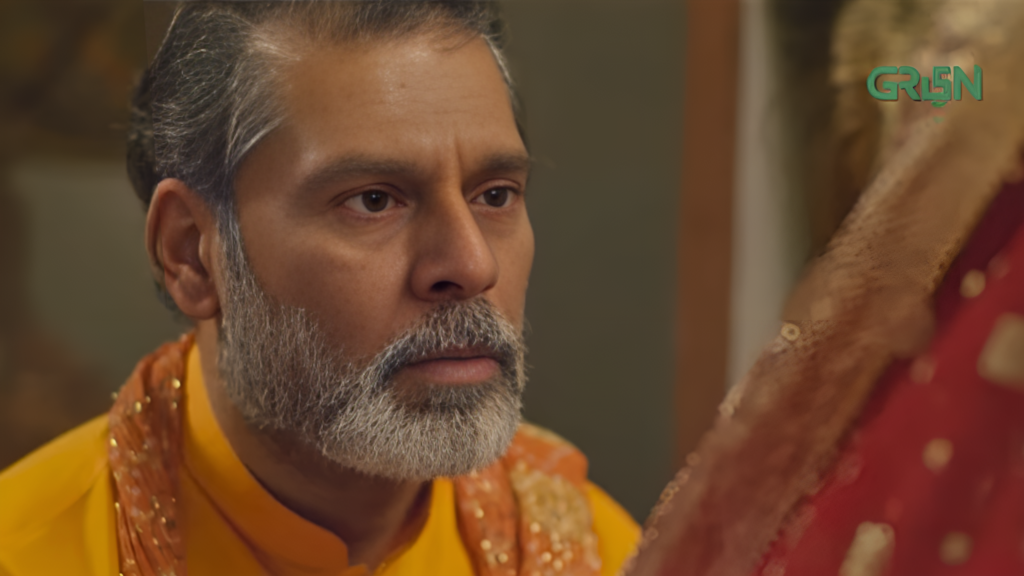

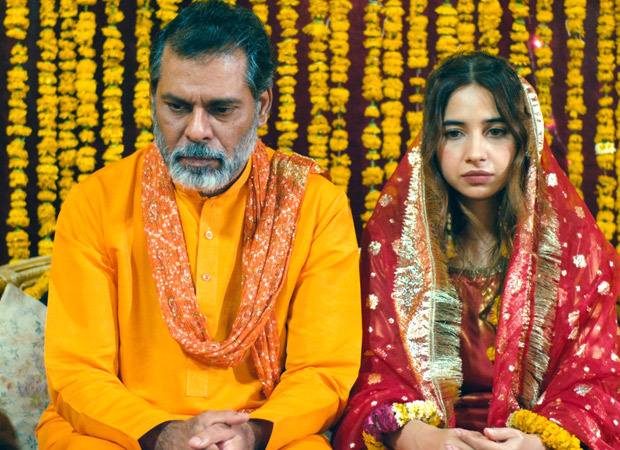
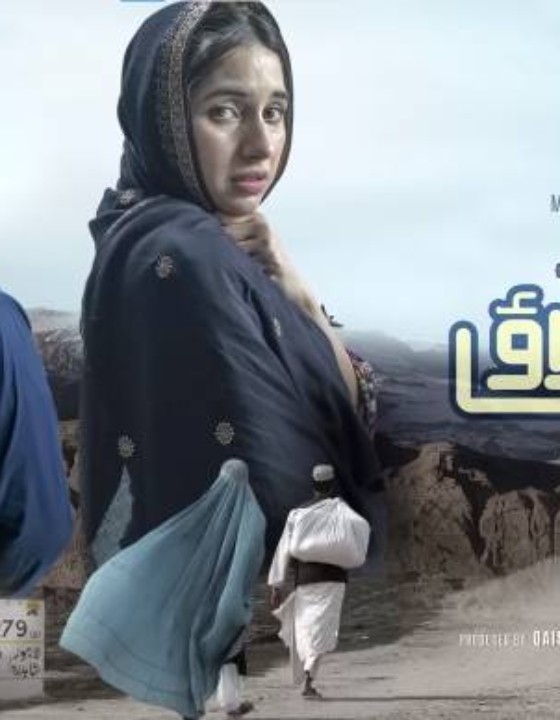
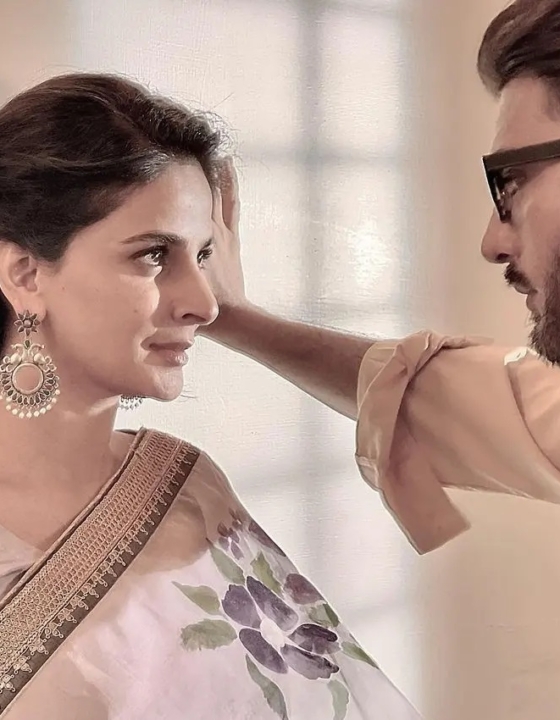
It has been a welcome surprise, an indication that the Pakistani audience is willing to move away from cookie-cutter formats and get absorbed by a well-told, unique story. The drama’s ‘hero’ is Mohammed Ehteshamuddin who acts occasionally – and does it so well! – but is probably more well-known for his recent directorial work. The female lead is enacted by the very talented Sabeena Farooq. The primary plot revolves around an unconventional marriage between the two; he is Haji Mushtaq, a 51-year-old seasoned bachelor committed to religion and taking care of his extended family and she is Barbeena, an Afghani refugee, recently widowed and trying to escape an unwanted second marriage by opting to marry the befuddled Haji Sahib. The ensemble cast includes actors Nadia Afgan, Saqib Sumeer, Abdullah Farhatullah, Umer Dar, Adnan Shah Tipu, Raima Khan and Munazzah Arif and they are just as pivotal to the story, each fitting in like the essential pieces of a jigsaw puzzle.
There are no tropes employed for sensationalism. No long drags in order to stretch out the drama and earn more through sponsorships and ratings. Every character has a story to tell and shades that get unveiled in successive episodes. There’s also an OST which has you humming and wanting to play in your car when you’re out for a drive!
It is common knowledge that this drama’s script was lying around for some time before Kashif Nisar finally came upon it and gave it life. No one else had wanted to invest into a story that was risky – wouldn’t the audience be aghast by the notion of a 51-year-old man marrying a girl old enough to be his daughter? It turned out that they wouldn’t be. Not only has the drama managed to set a precedent for unconventional dramas, it has also subtly, intelligently, given out messages that are very relevant.
At a cursory glance, Kabli Pulao obviously endeavors to remove the stigma attached to age. It also highlights human values and emotions; the need for respect in a relationship, how family support is essential, how unfair societal norms need to be rejected, how there is always hope even when times are dismal, the pain of unrequited love, the importance of moving on, the taboos attached to a woman in a childless marriage, the need to end a toxic relationship regardless of what is considered proper by the world at large and ultimately, how true love often requires sacrifice.
View this post on Instagram
There are many more messages seeped within the story. Like a good book, Kabli Pulao draws you in, takes you on a journey replete with nuances and you think about it afterwards, again and again.
What is also appreciable is the pace set by the drama. There are no points at which one may feel that the story is rushing towards its conclusion or slowing down a bit too much. The last few episodes particularly took interesting turns. Barbeena’s first love, her husband who she had thought to be dead, returns. He is still in love with her but her life has moved on. While she still loves Baraan, her feelings and loyalty are also now directed towards Haji Mushtaq. Like an expert storyteller, Kashif Nisar left questions to be answered in the second last episode, allowing one to muse over who Barbeena will eventually choose in the final chapter. Even the last episode goes through its moments of suspense before wrapping up.
Still, was it necessary for the unconventional couple – Haji Mushtaq and Barbeena – to have their happy ending by choosing to live away from the extended family? Why couldn’t their alliance be accepted by their loved ones? One also had hoped for the no-good, sleazy Ghaffar – played by the amazing Saqib Sumeer – to have been punished more severely. Shameem, one of the drama’s most unforgettable characters enacted by Nadia Afgan, epitomizes the pain and sacrifices required by true love.
Ultimately, a delectable plate of Kabli Pulao literally and figuratively gives closure to the story. And it also, simultaneously, shone a ray of hope on Pakistani drama’s generic landscape. An unconventional story, moving at its own pace can work. Exceptional performances sans the usual domestic politics and toxic tropes can get recognized. A director with a flair for storytelling doesn’t always just win critical acclaim – as Kashif Nisar tends to do – but can also hit gold commercially.
Gave the audience a good story and watch them take it to the top of the charts!




What do you think?