

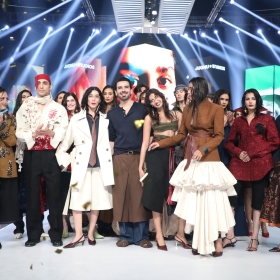
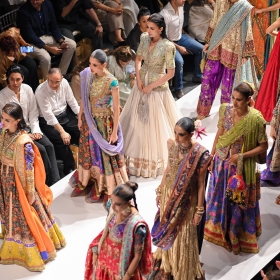
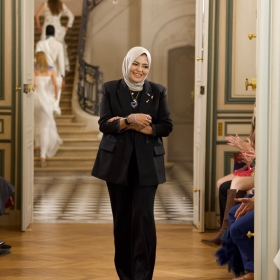
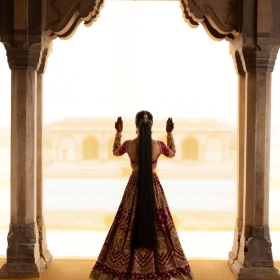
It’s when a fashion week happens the second time around, as scheduled, after a strong first season, that you begin to have faith. And you begin to think that the much-used, quite debilitating observation that ‘fashion is dead’ can be ditched for good.
No, fashion is not dead. It might fumble. It might get lost sometimes in generic commercial domains. But at the second edition of Laam Fashion Week (LFW) fashion was very much alive and kicking, making some fabulous statements on the runway, setting new trends in motion, making you reach out for your cellphone and make multiple videos of all the designs that have enthralled you (and perhaps, you also want to own!).
Not only has LFW managed to bring excitement back to the local fashion scene, it has also, by bunching together veteran names, young up-and-coming labels and completely commercial brands, pushed the design community to innovate.
One saw very innovative lineups in the LFW Edit segment by new brands that are so good that they are very likely to graduate to the main designer shows in the years to come. There were so many that impressed. Hathghar presented a well-defined aesthetic rooted in the colors and silhouettes of the subcontinent, U&I By Umer Imrana focused on the timeless appeal of handwoven fabric, Sadhbarg mixed drama with a range of very wearable, very on-trend East meets West designs, Dreams of Arthur featured uber cool streetwear, Dhundli Zameen created statement wear through deconstructed silhouettes and asymmetry and KIBO translated Japanese influences into a distinct sartorial language.
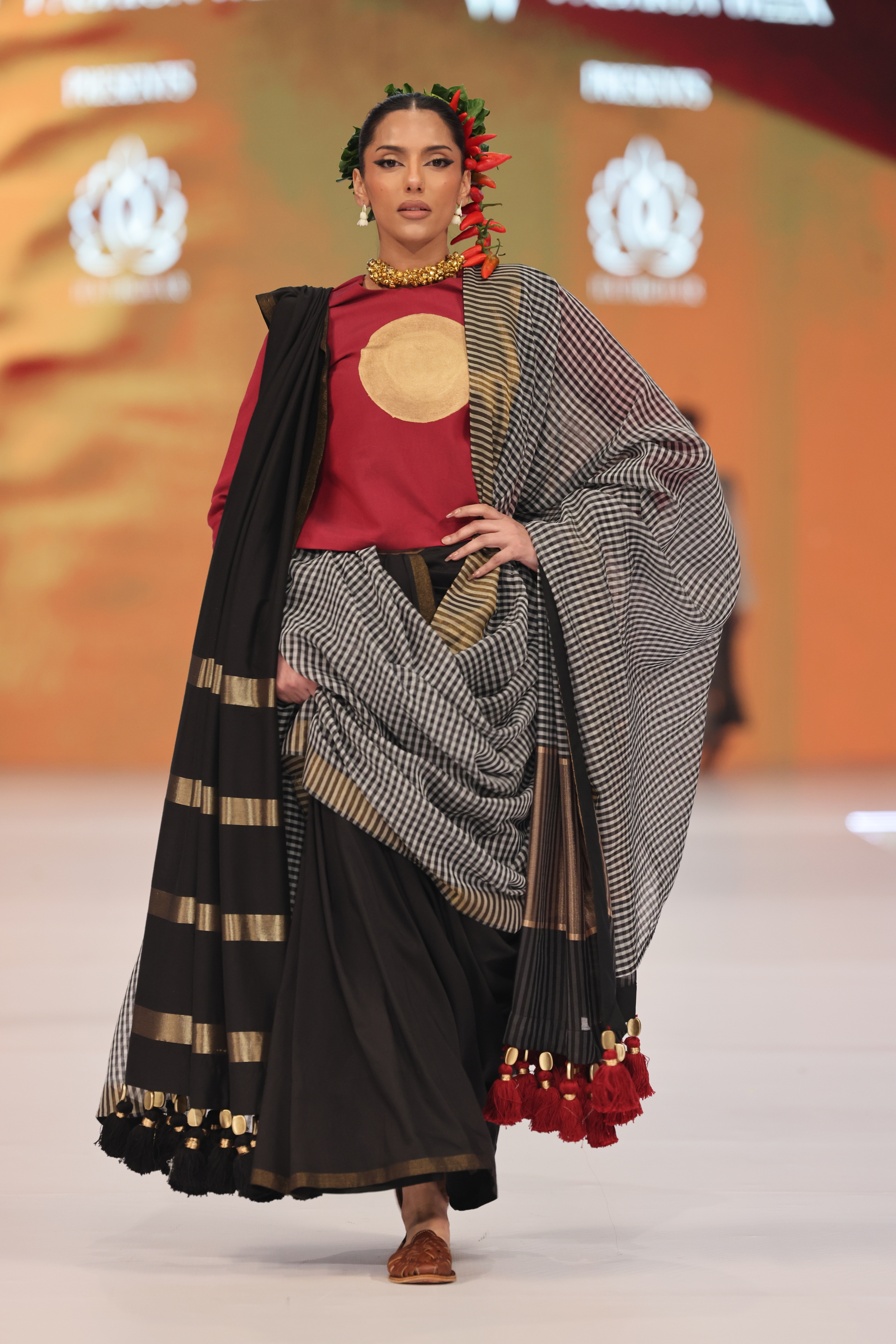
Hathghar
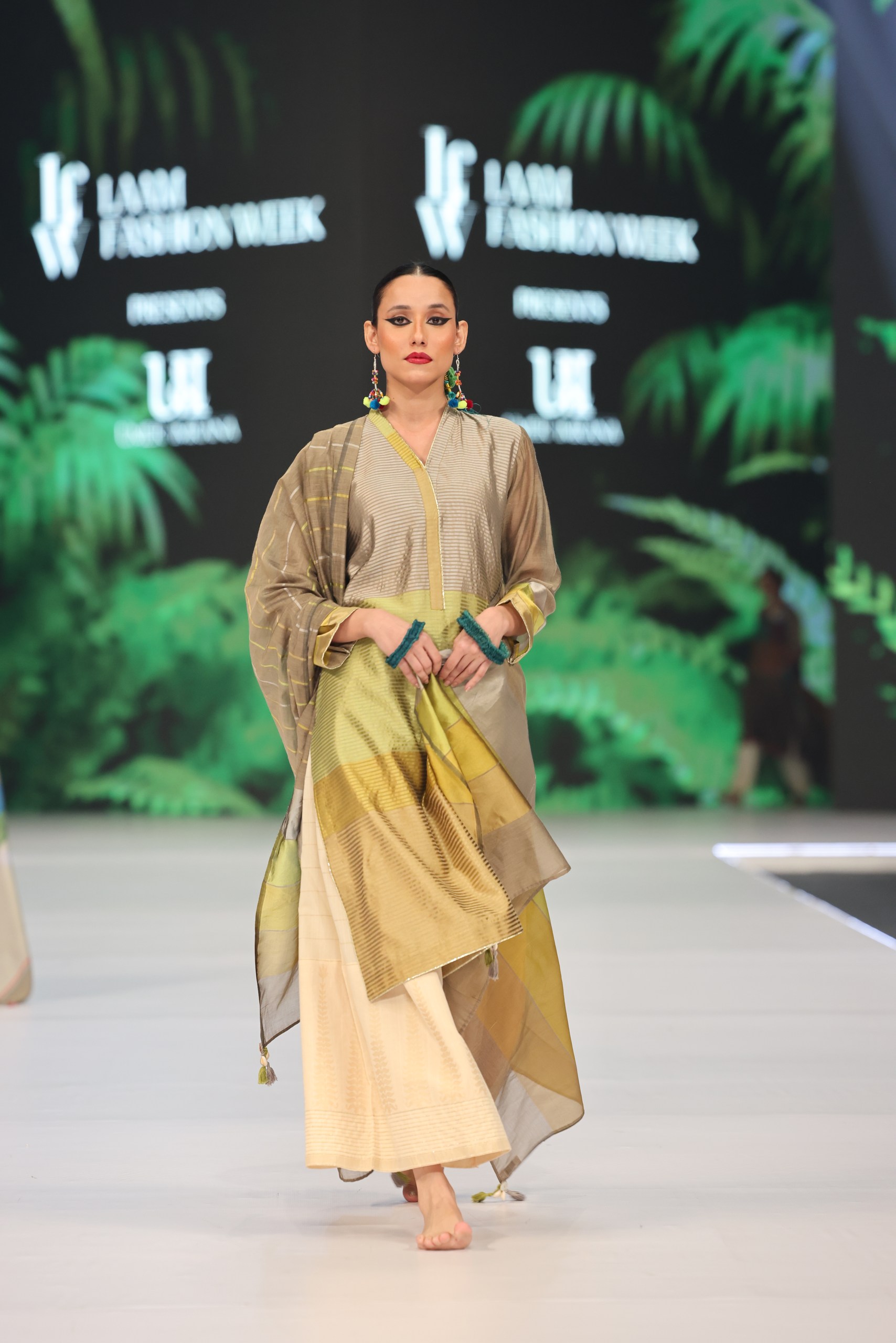
U&I by Umer Imrana
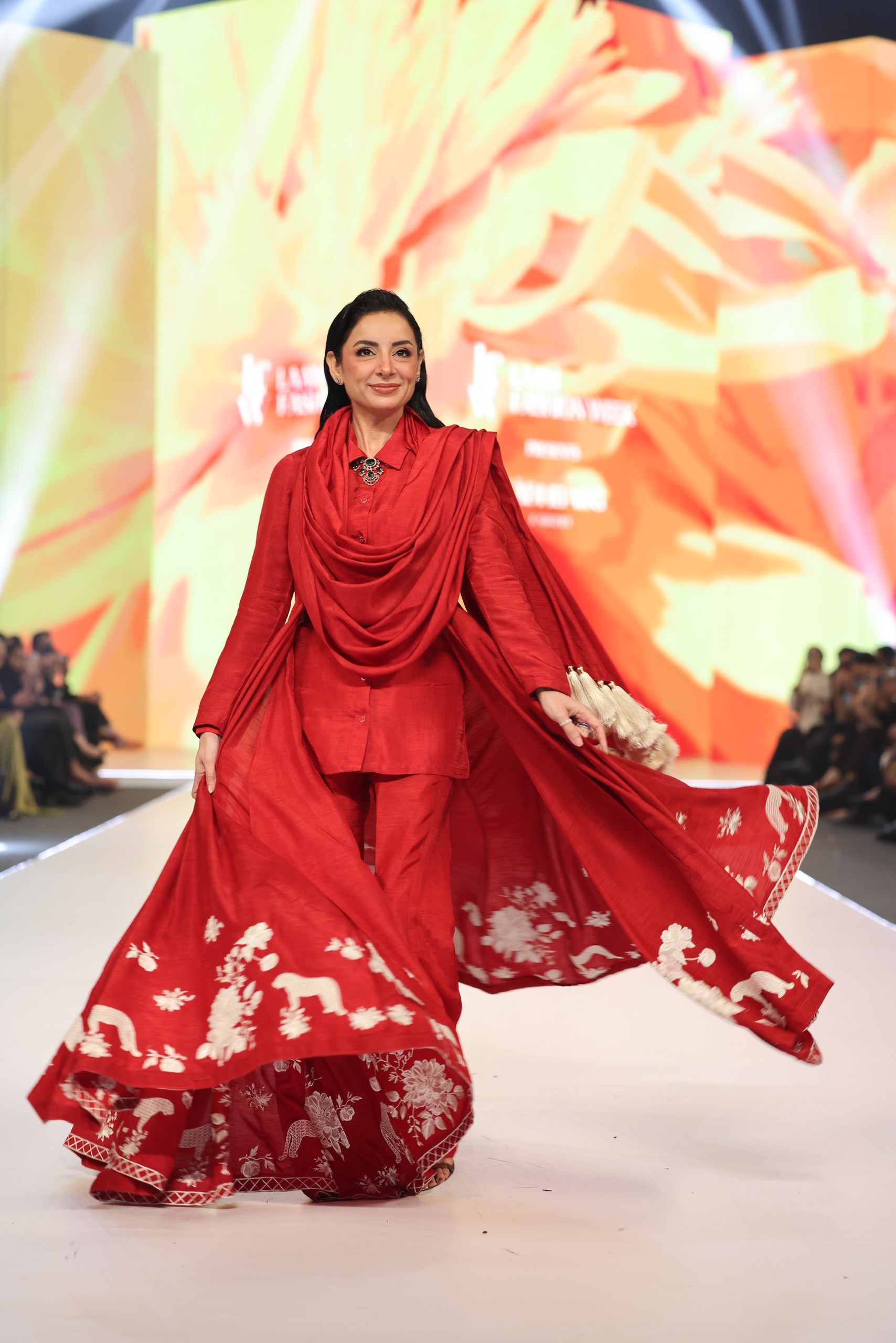
Sadhbarg Lahore
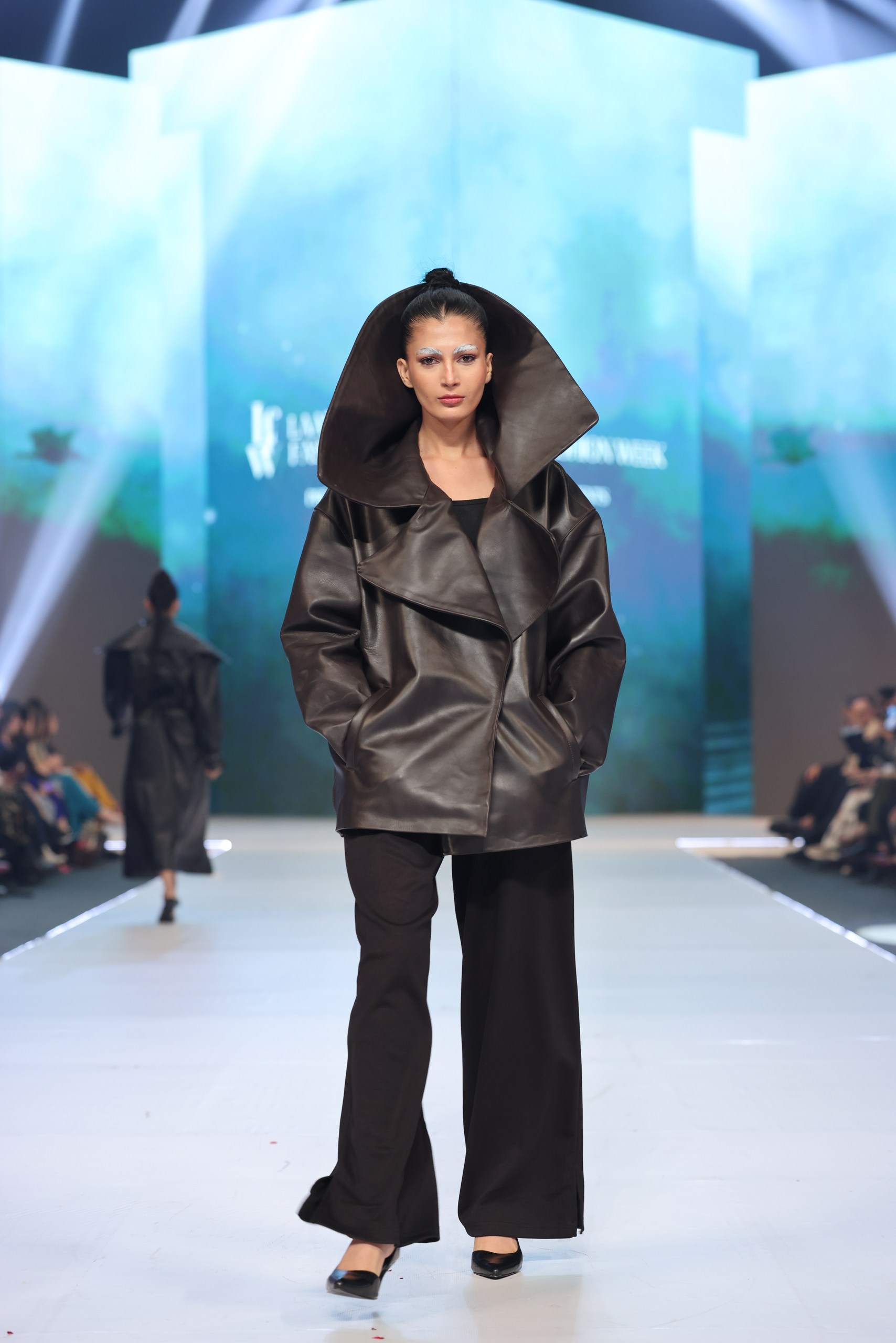
Dreams of Arthur
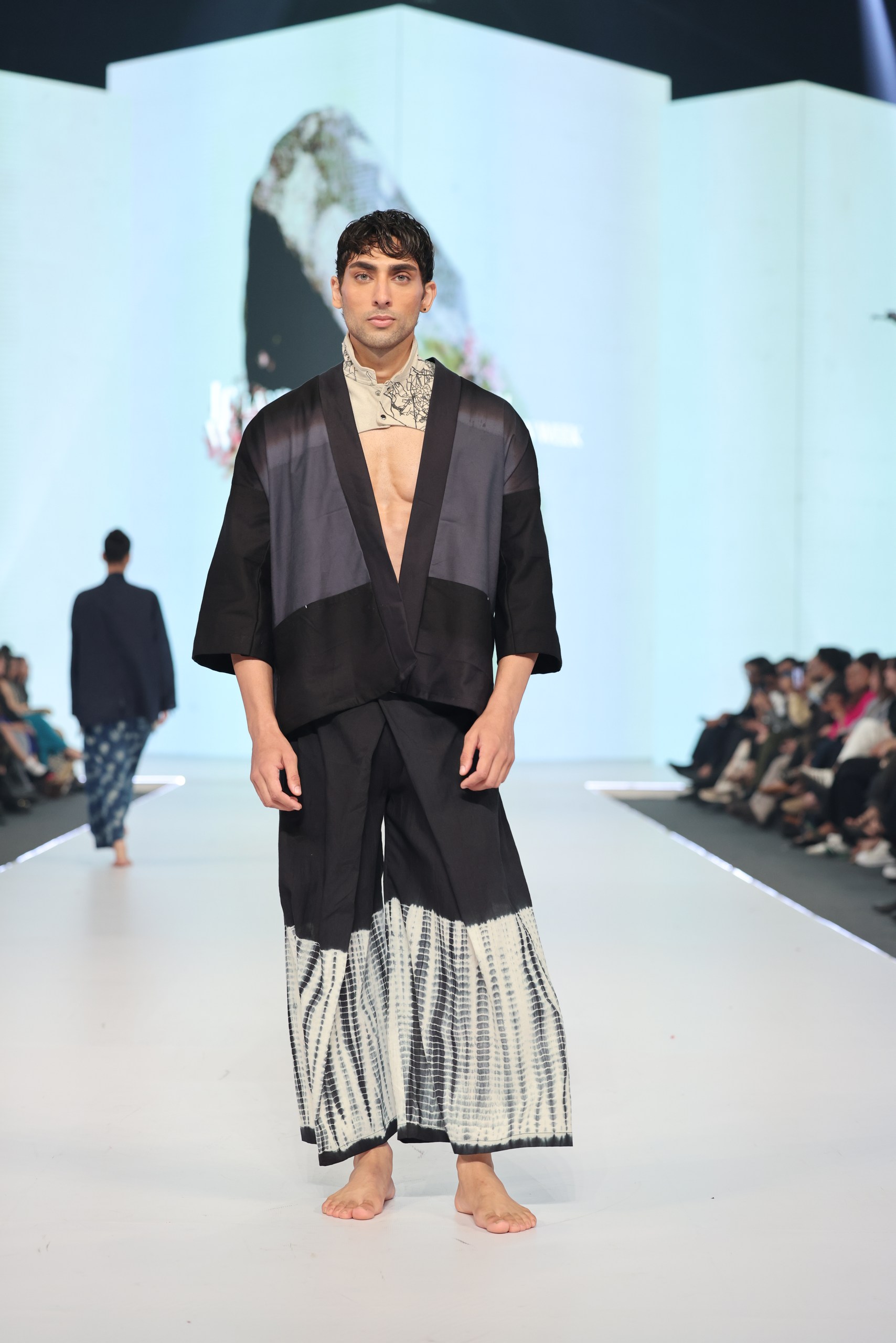
Dhundli Zameen
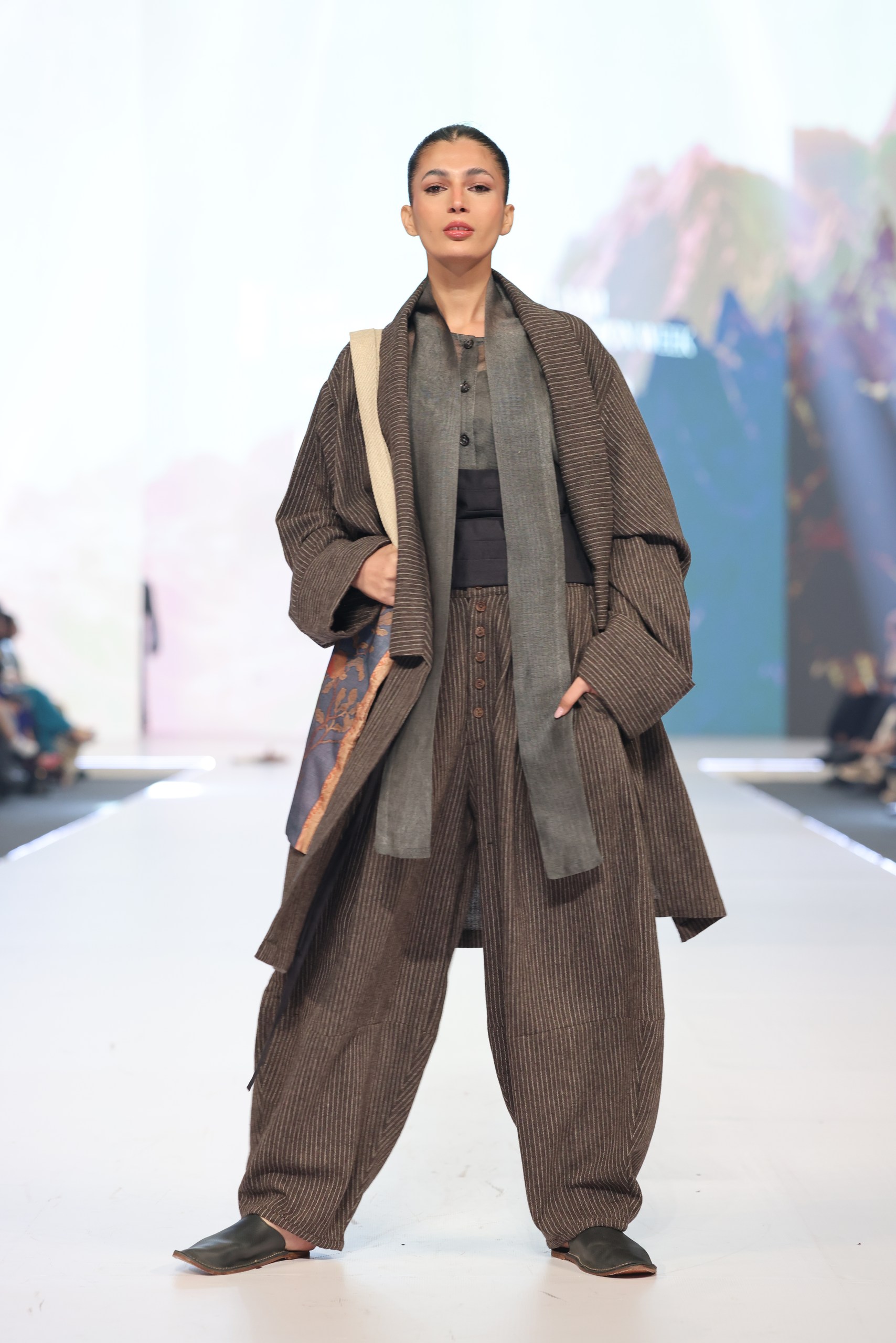
KIBO
One must also mention the LFW Hit List, showing the work of designers fresh from fashion school, which buzzed with creative energy.
And even the main designer shows, featuring the work of mostly established names, had a certain newness to them. Established designers, with their loyal customer bases and business setups in place, can continue to release regular, retail-friendly collections without bothering with experimentation in silhouette or pattern. Put under the spotlight on a fashion runway, shared with their peers in a collective showcase, they get challenged and inspired to dabble with new techniques and bring new spins to their well-recognized aesthetic.
Beyond fashion, one noticed some tech-savvy changes made in the second season. Instead of sending out hard copy invites, attendees were required to show a QR code on their phones in order to enter. Like last time, a digitized passageway led to the event, prompting nearly everyone who attended to reach for their phones and create Instagram-worthy content. The catwalk was exciting, lit up by zigzagging lights, although one did miss the three-dimensional background that had been set up in the first season.
Also, one has to mention that the shows managed to end, very efficiently, around a chaste 10 p.m. A fashion show, from the Instagram vantage point, may seem like a glamorous soiree but it is, in fact, a professional event geared towards enhancing the business of fashion. Efficiently scheduled, back-to-back shows go a long way towards establishing the right tone.
Despite this adherence to punctuality, there were times when one would glance at the clock and fidget through collections that were boring at best, untidy and unattractive at worst. To be fair, though, there were more high fashion moments at this time’s LFW rather than lows. Here’s the lowdown on the first three days:
DAY ONE
Sania Maskatiya
Sania Maskatiya demonstrated that commercial sensibility need not come at the expense of creativity. At LFW, the brand’s signature palette and intricate embroideries remained firmly in place, but they were refreshed through inventive silhouettes and an interesting play of patterns.
Beautiful, detailed embroideries are a hallmark of the Sania Maskatiya brand and something that has particularly helped her become one of the most powerful designers in Pakistan. On the LFW runway, these embroideries were merged with neat cutwork and played out on silhouettes that were edgy and contemporary.
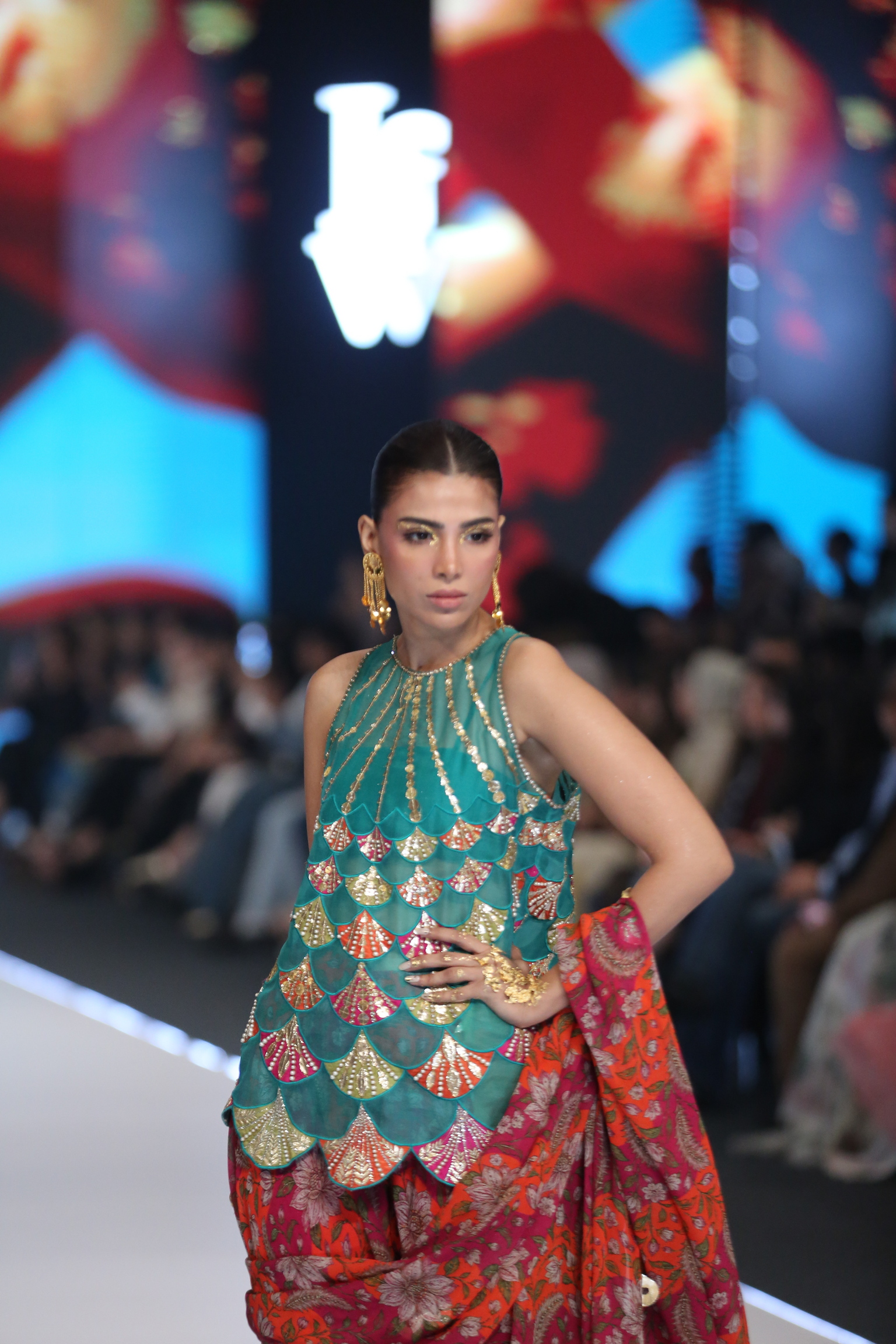
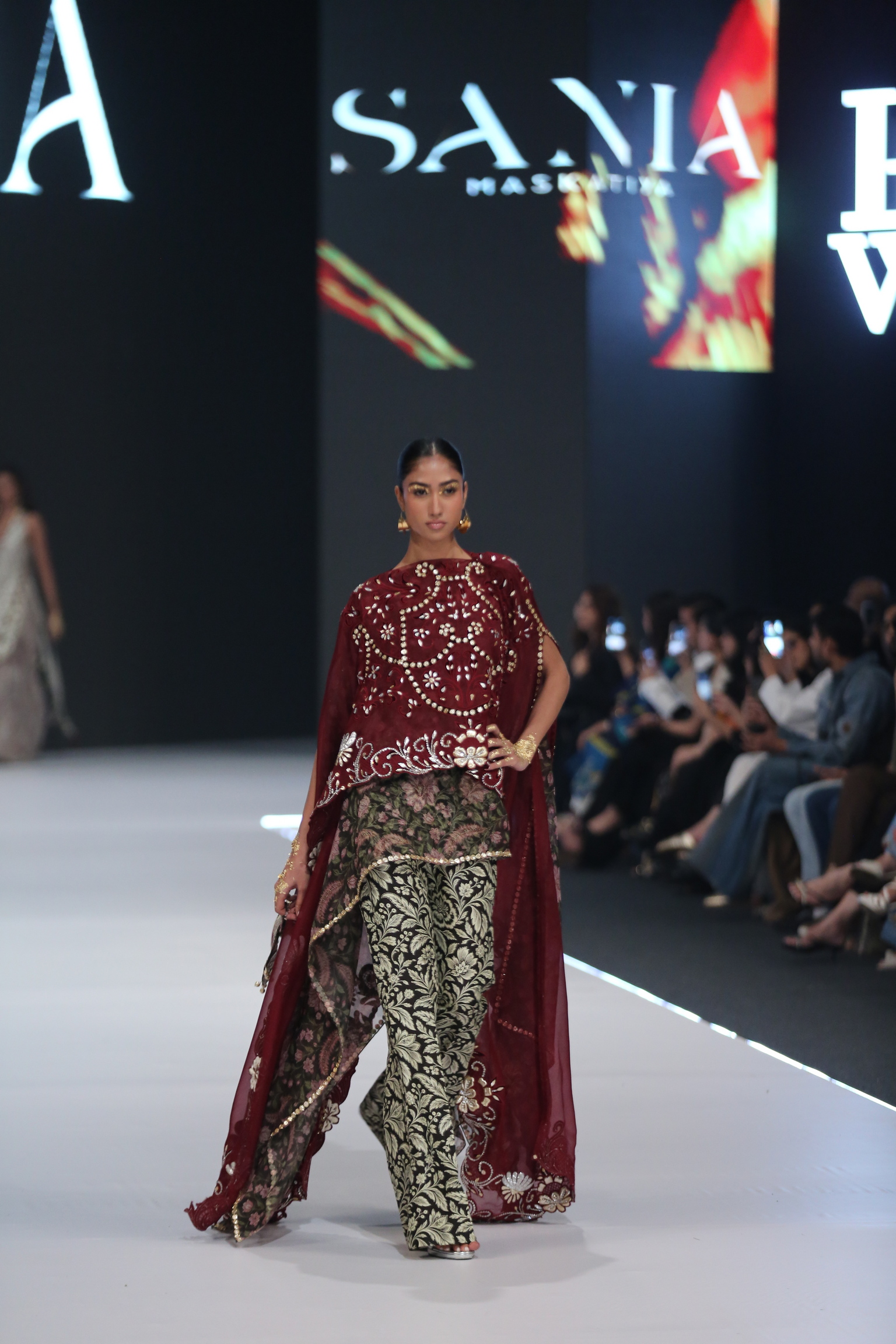
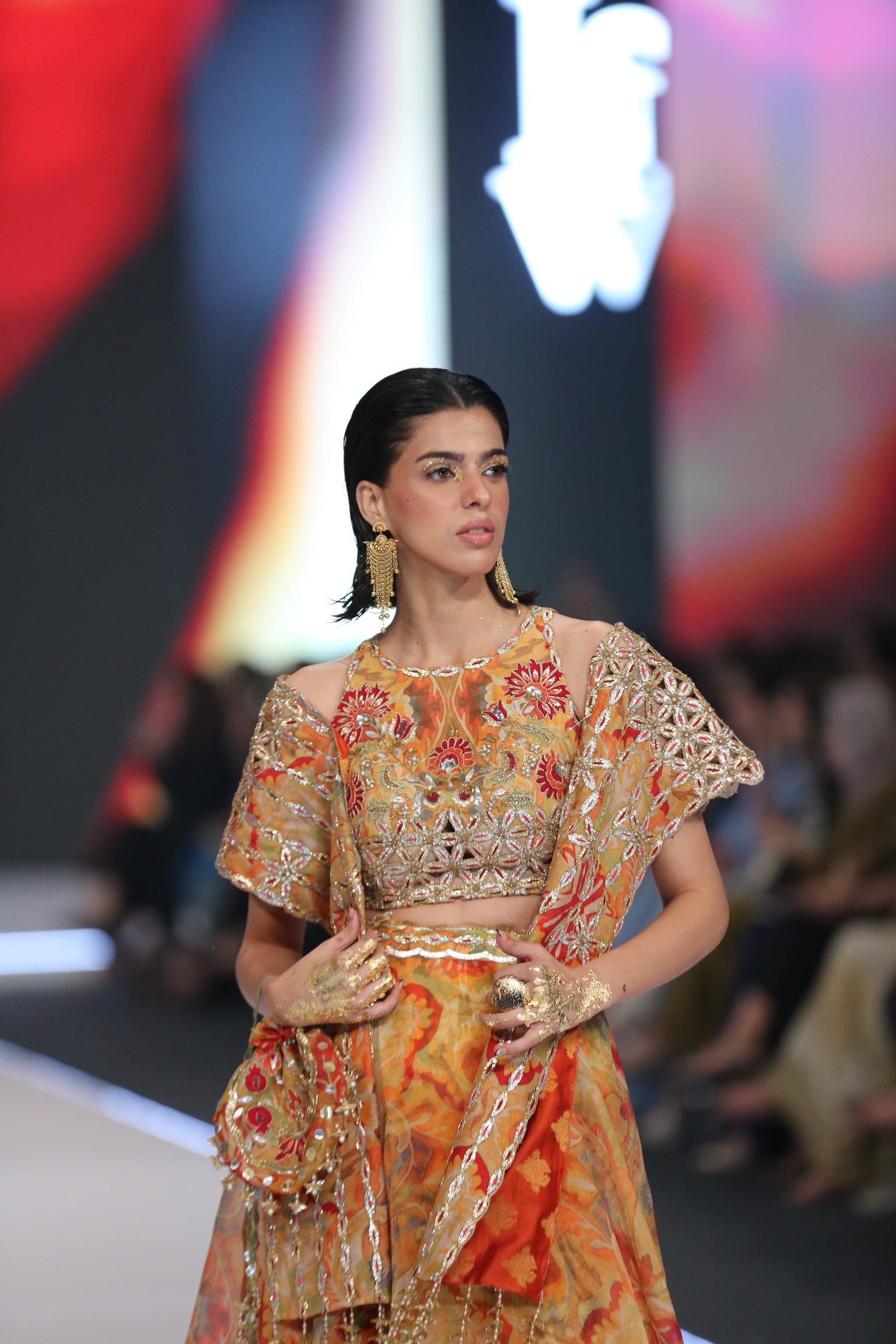
There were funky short shirts, layered and draped shalwars, flared tunics, diaphanous coverups, edgy saris. The quintessential Sania Maskatiya floral prints were amped up with bling and the colors were very pretty; pinks, greens, blues, maroons and lots of lots of gold.
The collection was exhibited the very next day at the Sania Maskatiya Lahore store and will soon also be showcased at the store in Karachi. One expects to see variations of the designs in the near future, the slinky cut-worked short shirt transformed into a long kameez, sleeves added to the sleeveless and so on.
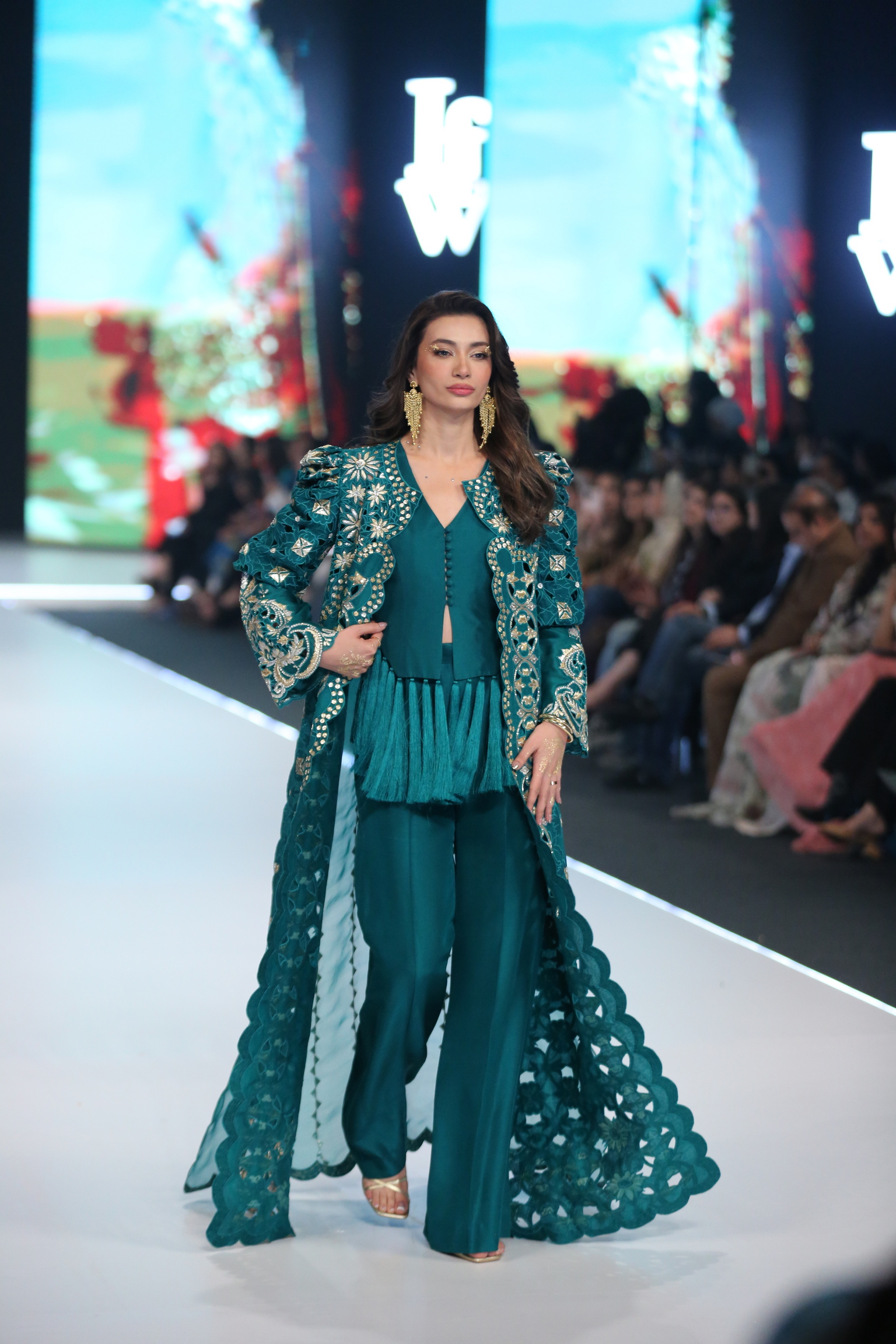
It’s a case study on how fashion works in Pakistan, something that Sania Maskatiya understands well: push boundaries, introduce new elements, while always keeping a firm eye on retail.
Saira Rizwan
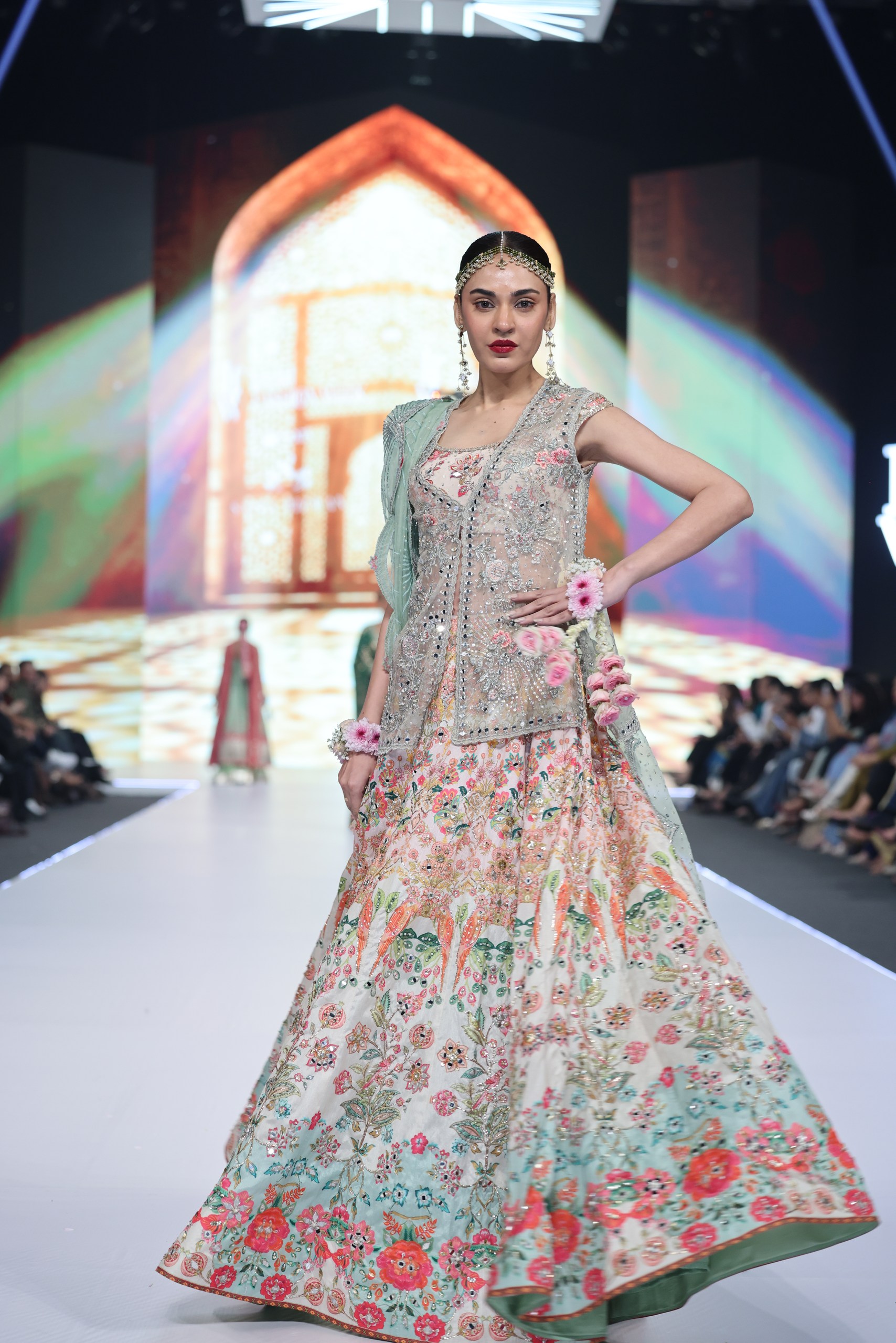
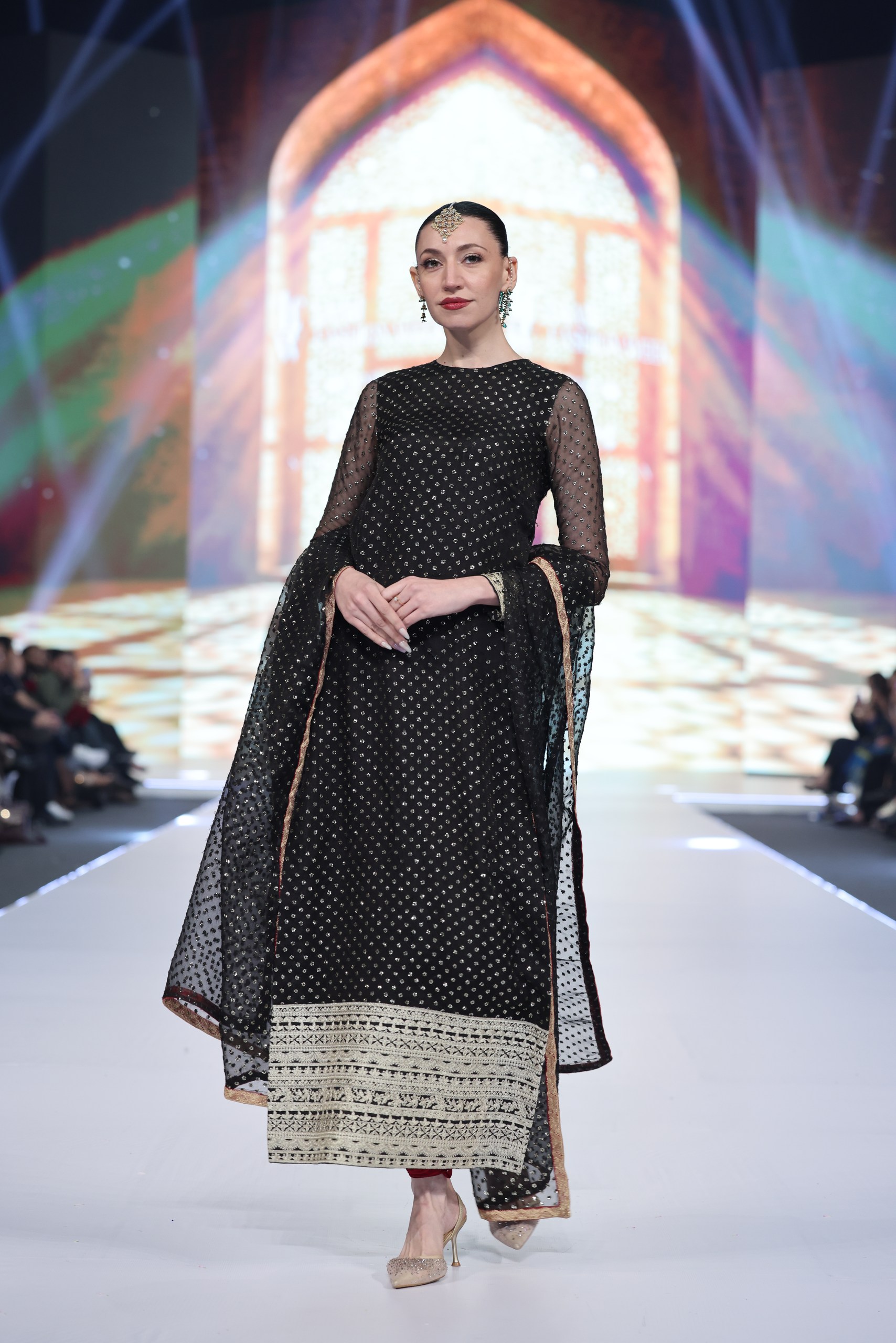
Saira Rizwan presented a collection that was lodged far too safely on the commercial side of the spectrum, with options ranging from dholki and mehendi-wear to the baraat and Valima. The mix of print, embroideries and variations in color were pretty but a fashion showcase needs to be more original and creative in order to be memorable.
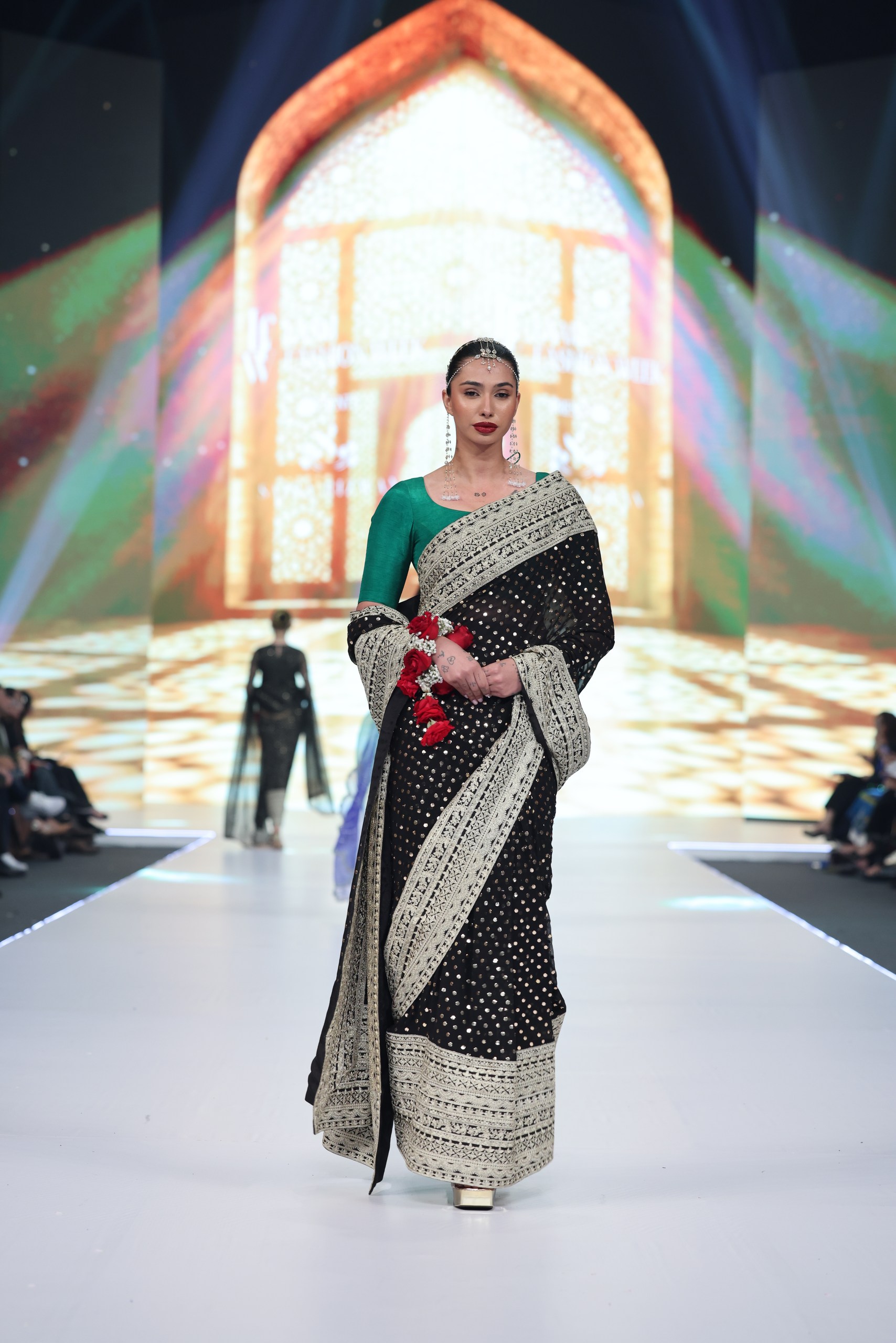
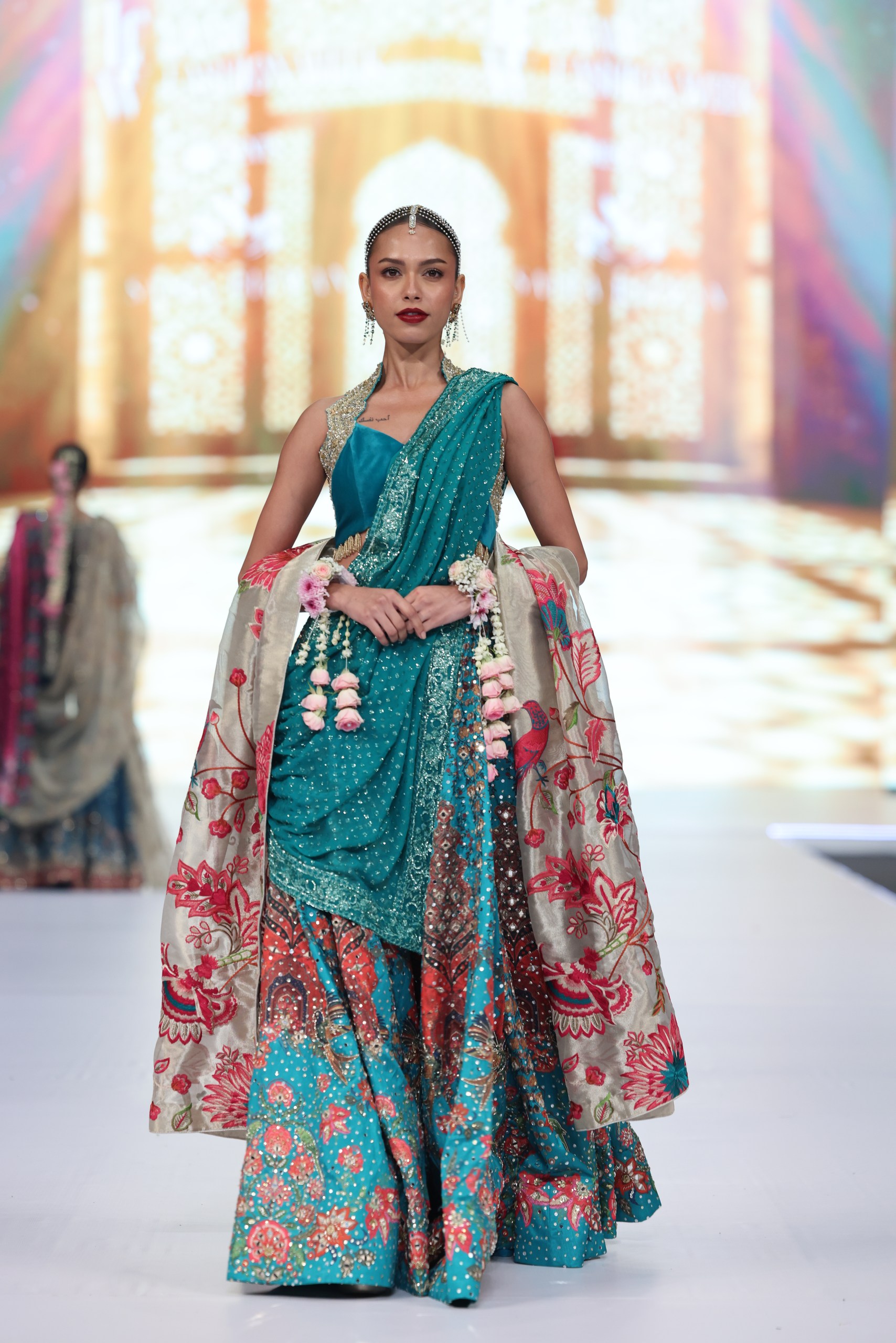
The designer has a strong retail presence – but it is important for a brand to introduce new trends in order to maintain its stronghold on customers.
Miiha
Miiha ensured that its collection was registered with the extremely well-loved, very pretty Durefishan Saleem walking out as the brand’s celebrity showstopper.
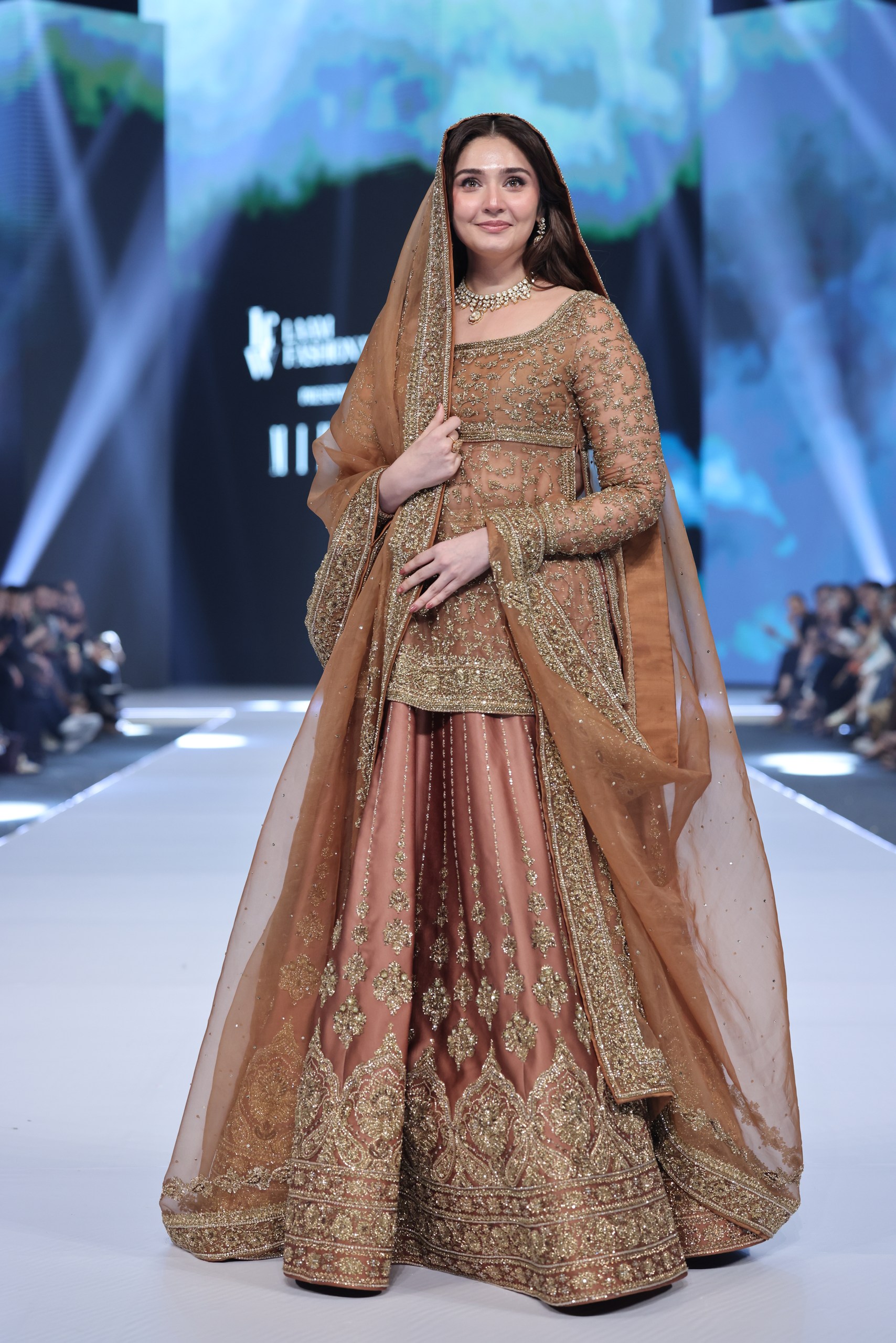
But beyond the celebrity razzle dazzle, there was a lot more that stood out in the Miiha showcase. The lineup, entirely in brown and gold, featured impeccable finishing, detailed embroideries and very neatly cut silhouettes.
One remembers Miiha making its debut at the Hum Network’s Bridal Couture Week (BCW) some years ago and even then, the brand’s clean, minimal aesthetic had stood out. The LFW showcase was testament to how this relatively new brand has grown. From finishing to manipulating the flow of the fabric, it was a memorable collection.
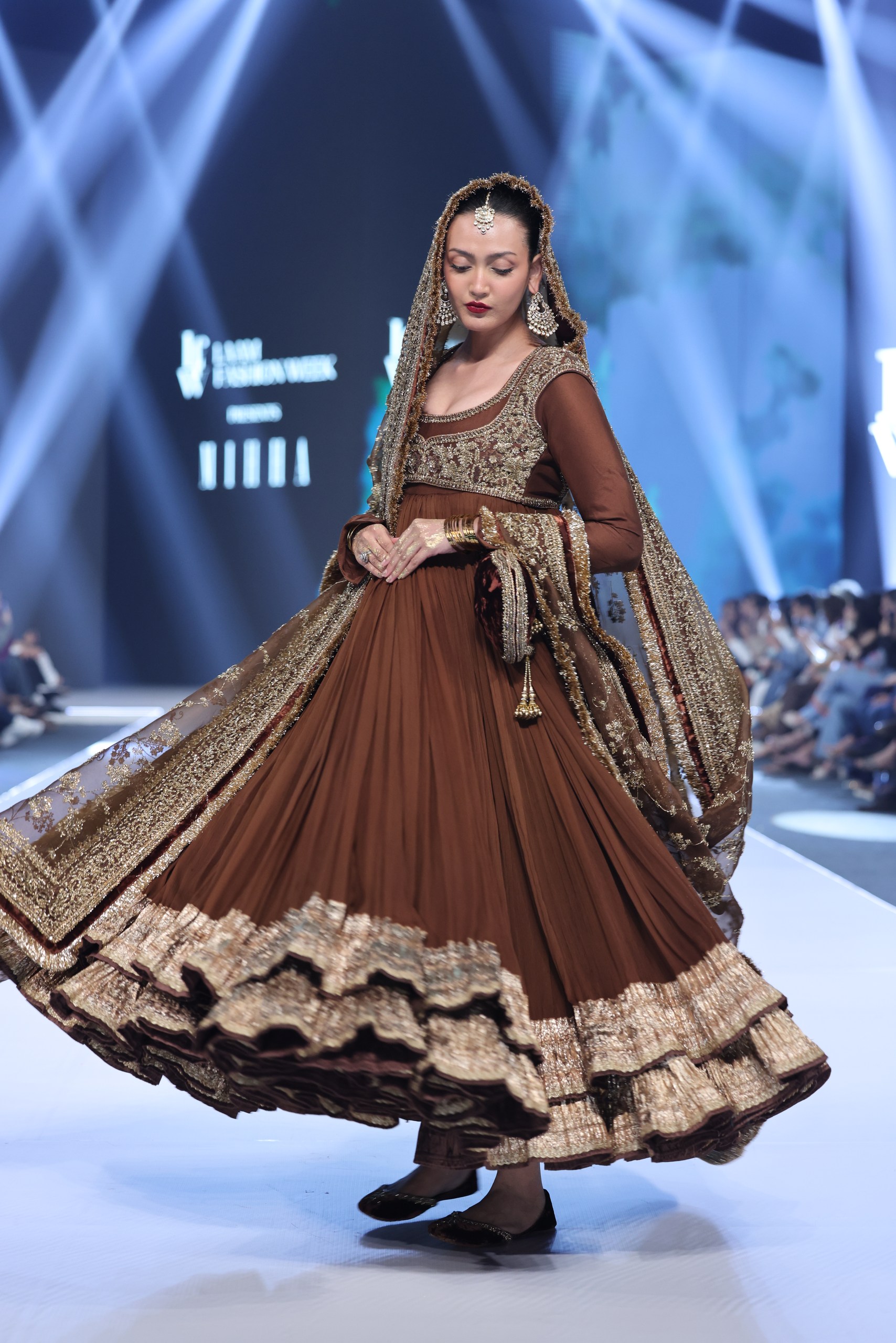
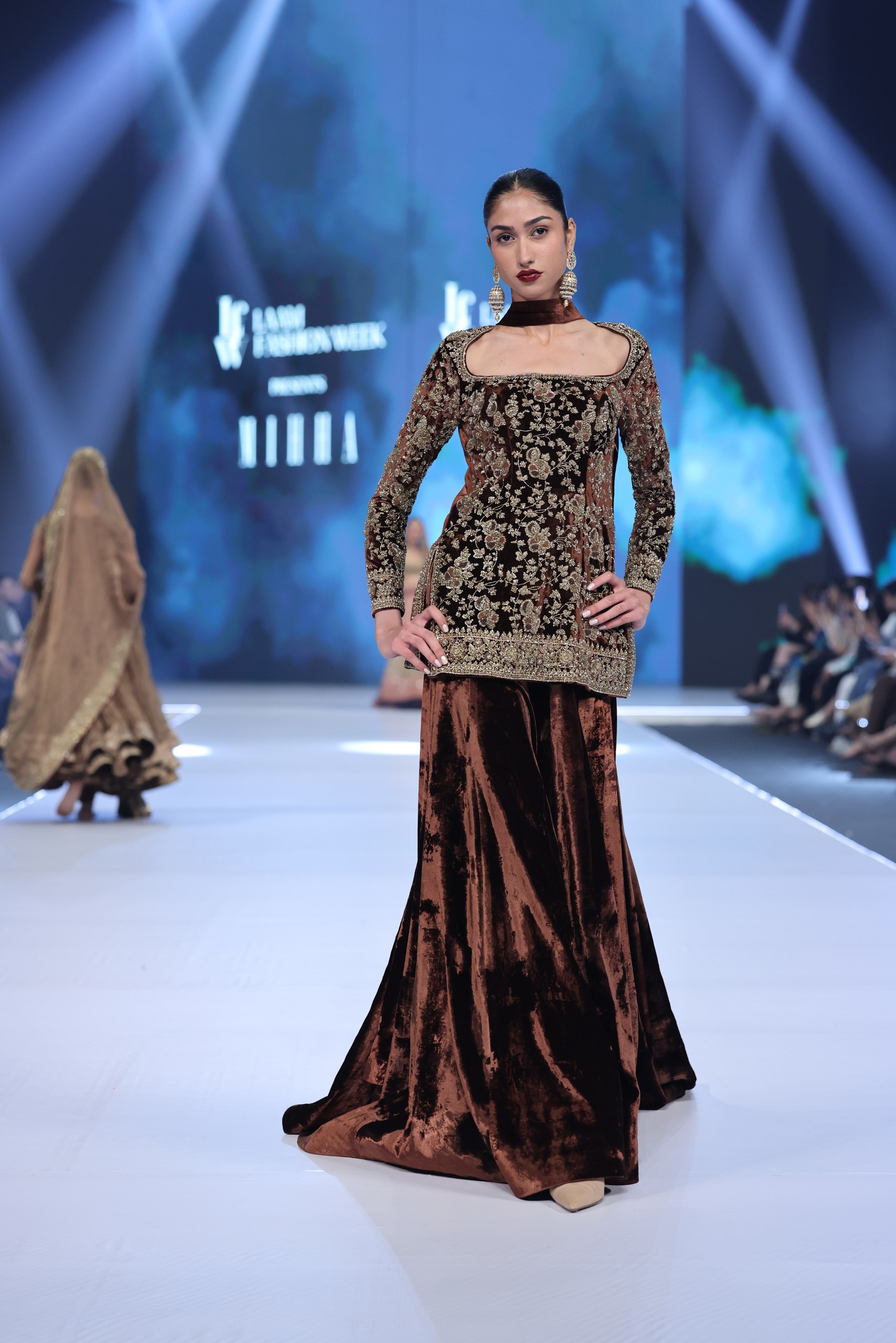
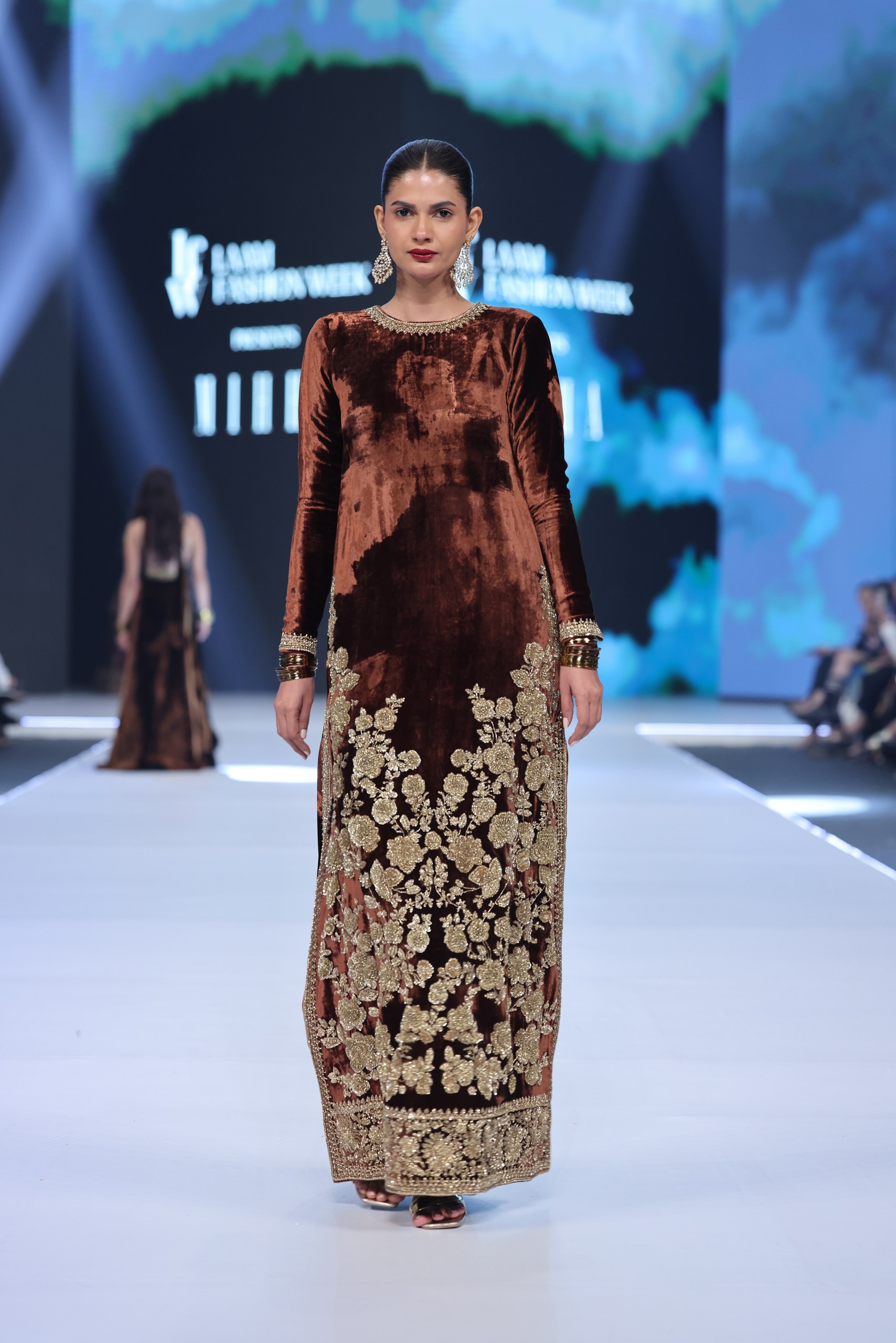
Having said that, one wishes the brand had also opted to dabble with more colors – spurts of maroon, black and beige, for instance, would have been in keeping with the overall theme but would have definitely made the showcase more interesting.
Deepak Perwani
Deepak Perwani’s signature festive play of color and silhouettes came to life in his showcase. There were all sorts of options for the big fat Pakistani wedding: lehngas, cholis, long layered shirts and for the men, sherwanis and jackets.
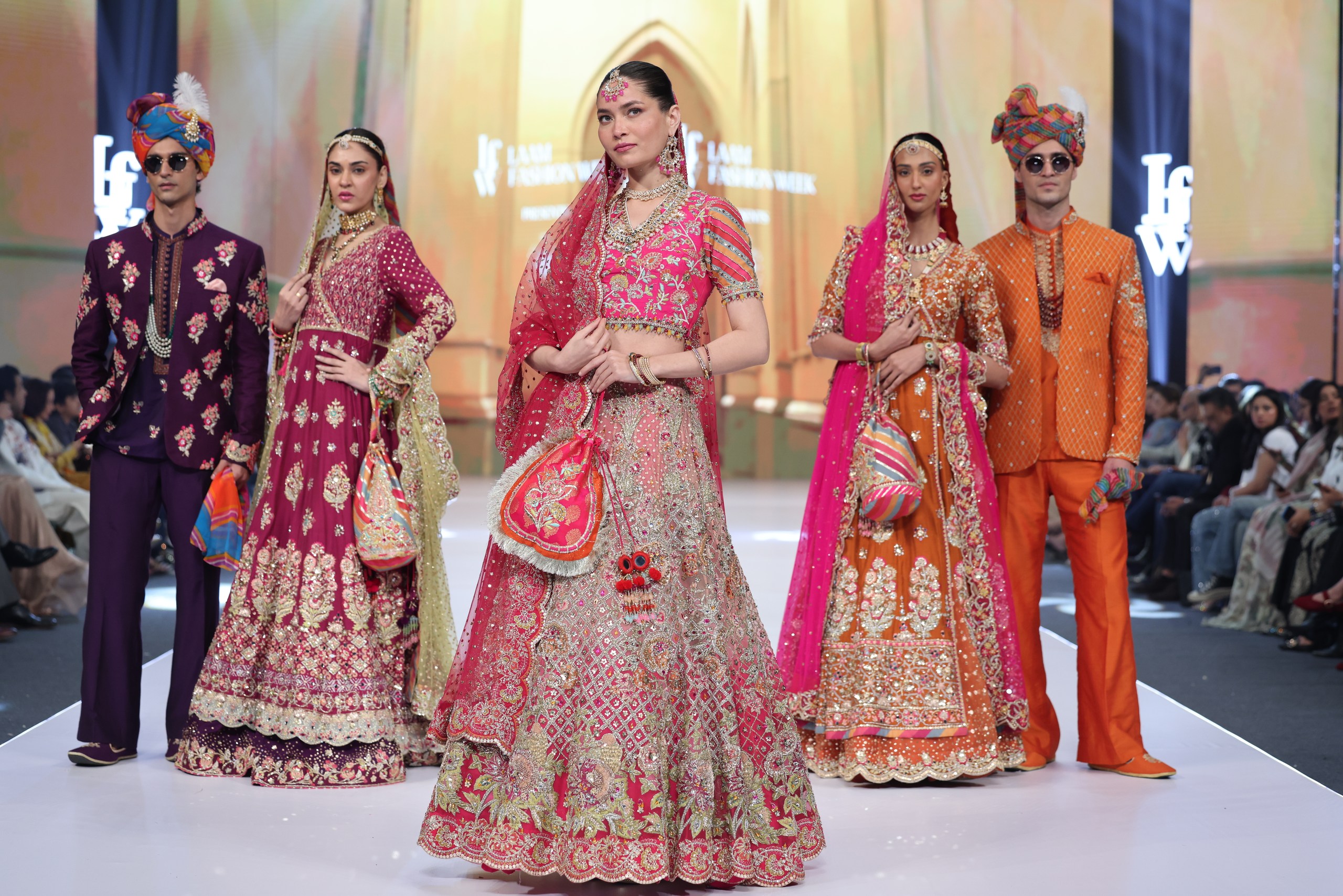
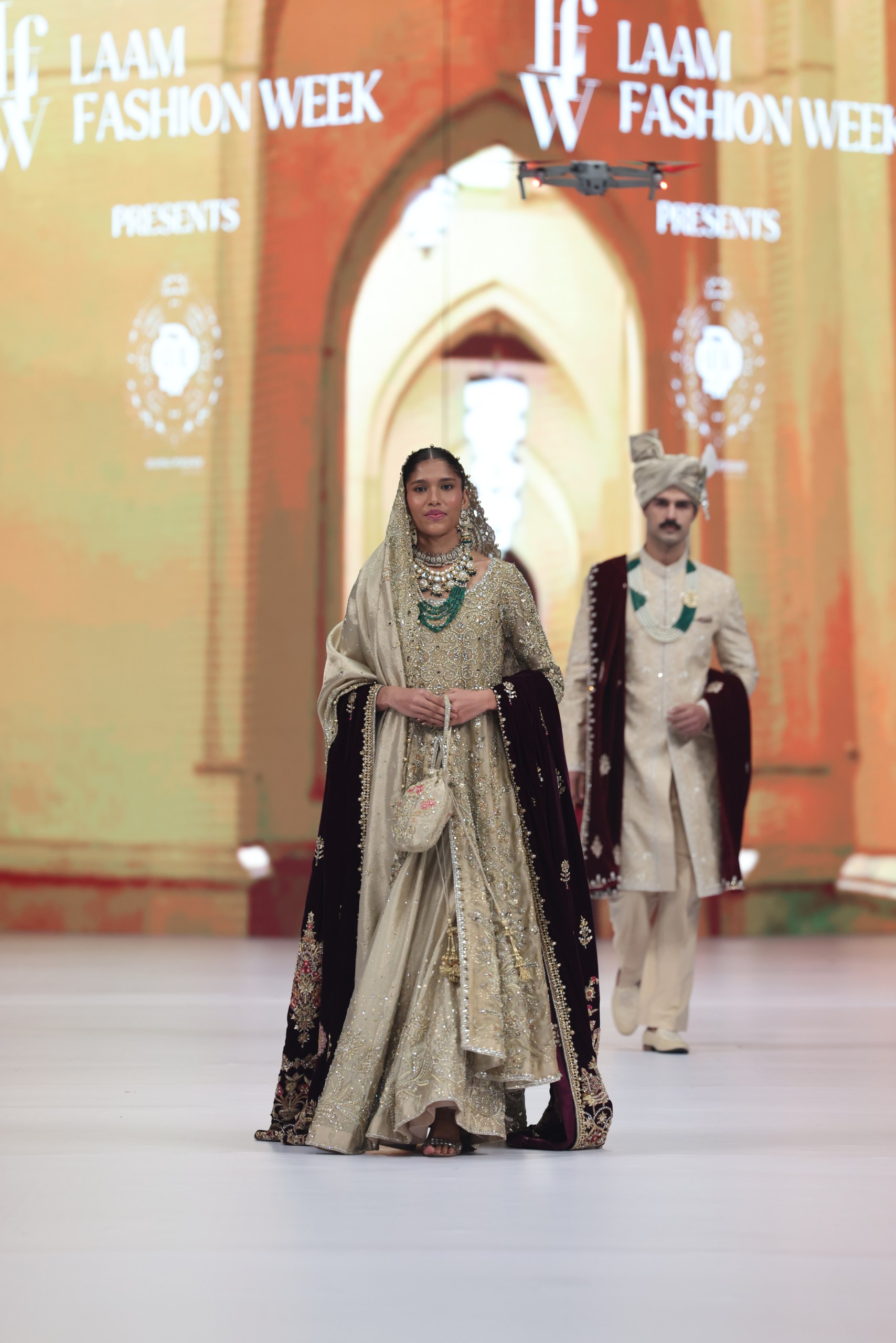
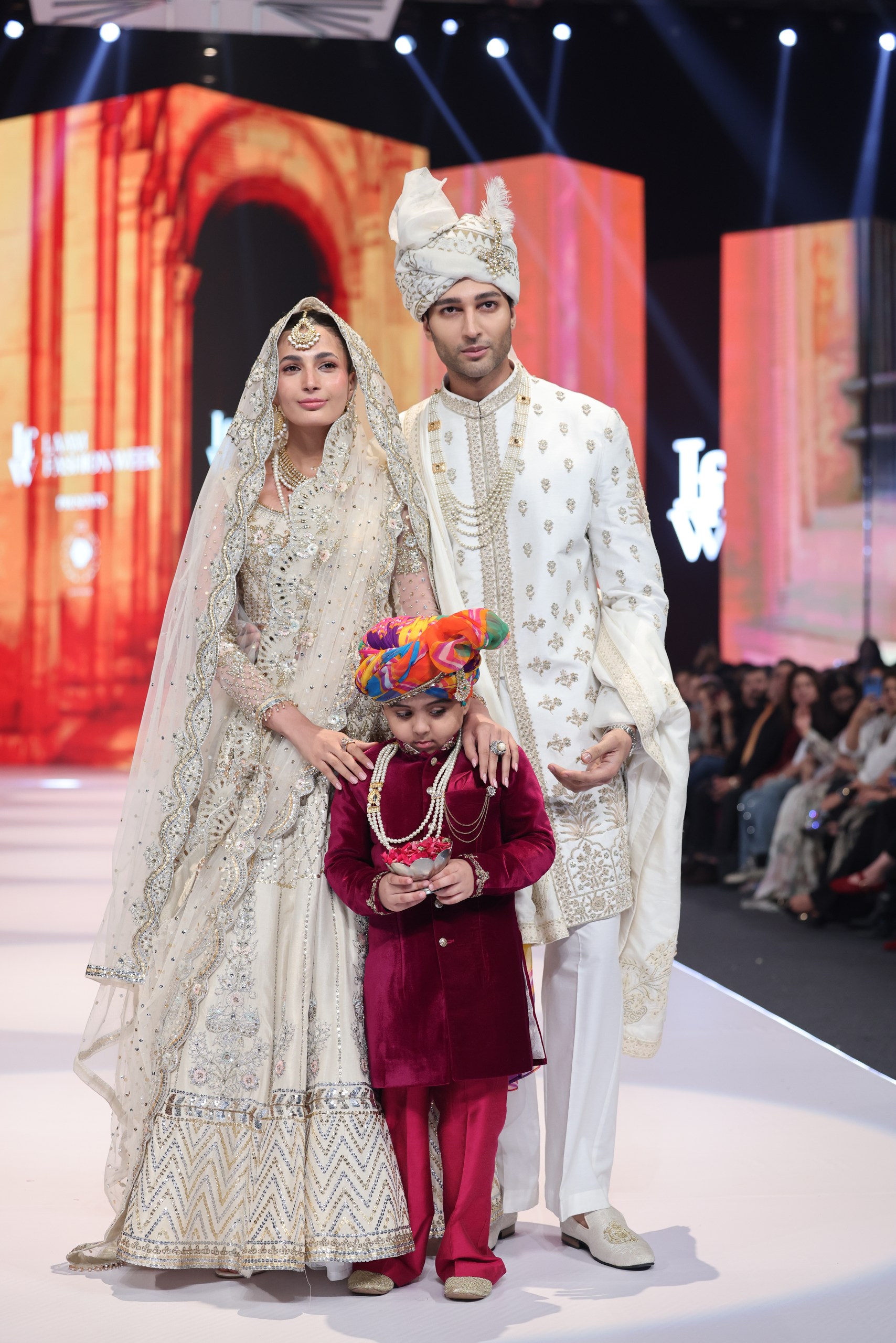
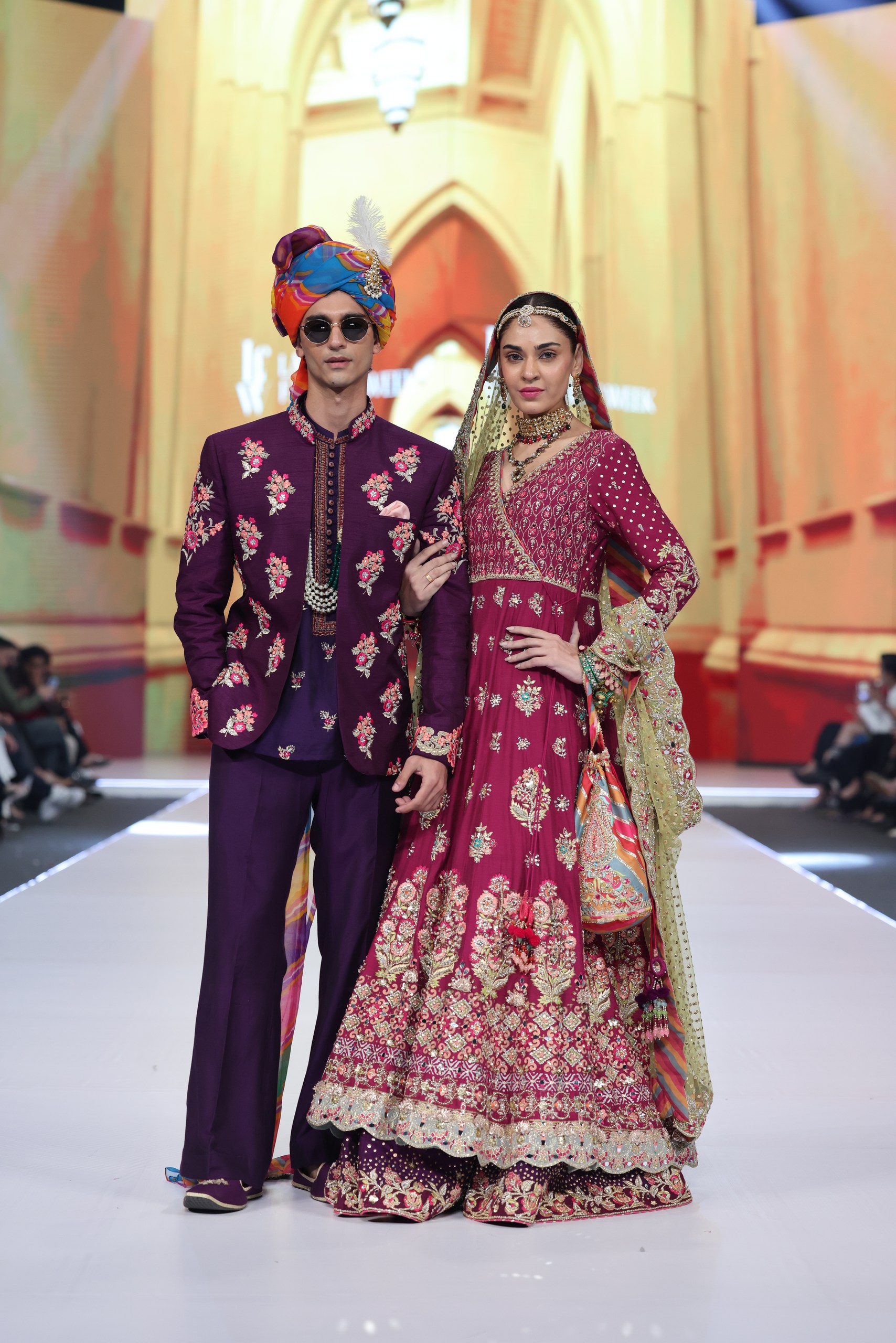
The colour play was familiar, the embroideries neat and the overall aesthetic unmistakably Perwani. However, the introduction of newer design elements would have definitely given the show greater impact – perhaps some of the glamor that is intrinsic to the designer but which he curbs when navigating commercial waters?
Nilofer Shahid
Wrapping up the first day of LFW was a grand showcase by Nilofer Shahid. It was a show so grand and so exquisite that even if it had been staged solo at LFW, it would have worked very well.
The extensive collection was a homage to the designer’s work over the years; her archival pieces tweaked and reinvented for the catwalk. For those who have been making the rounds at fashion weeks for years, it was a reminder of Nilofer Shahid’s extraordinary command over artisanal design. For those who are newer to the fray, it established why she has always been one of Pakistan’s most celebrated veteran designers.
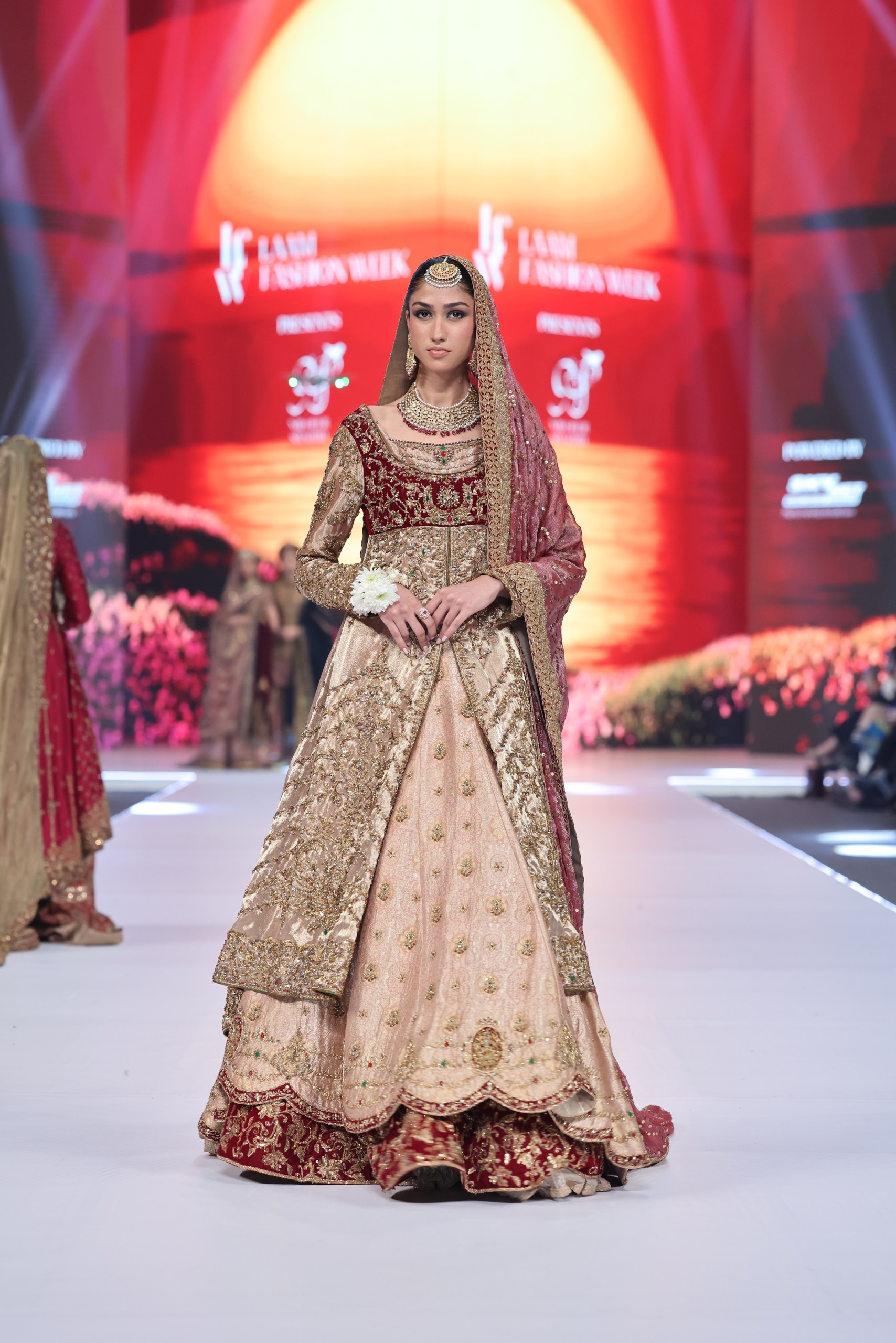
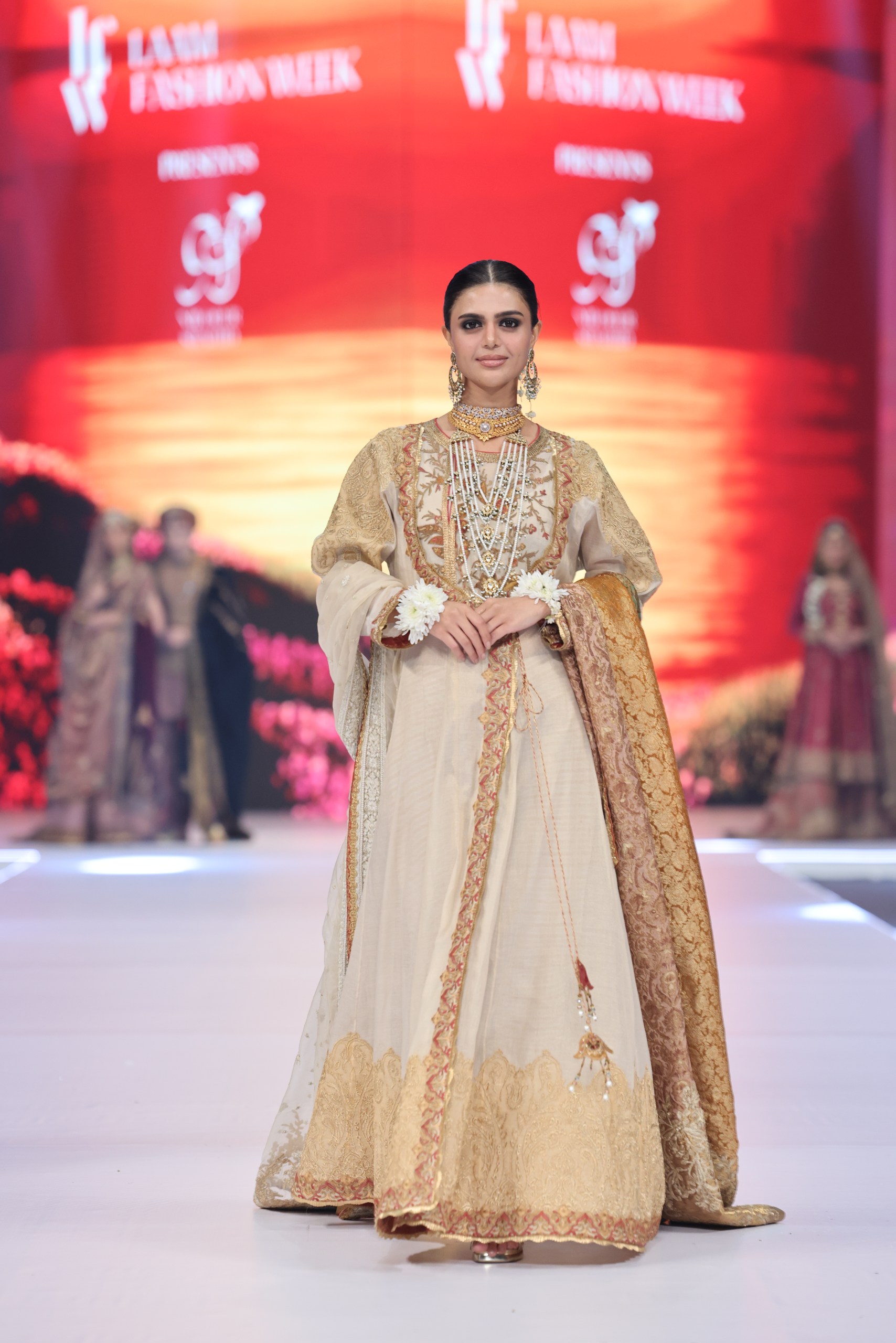
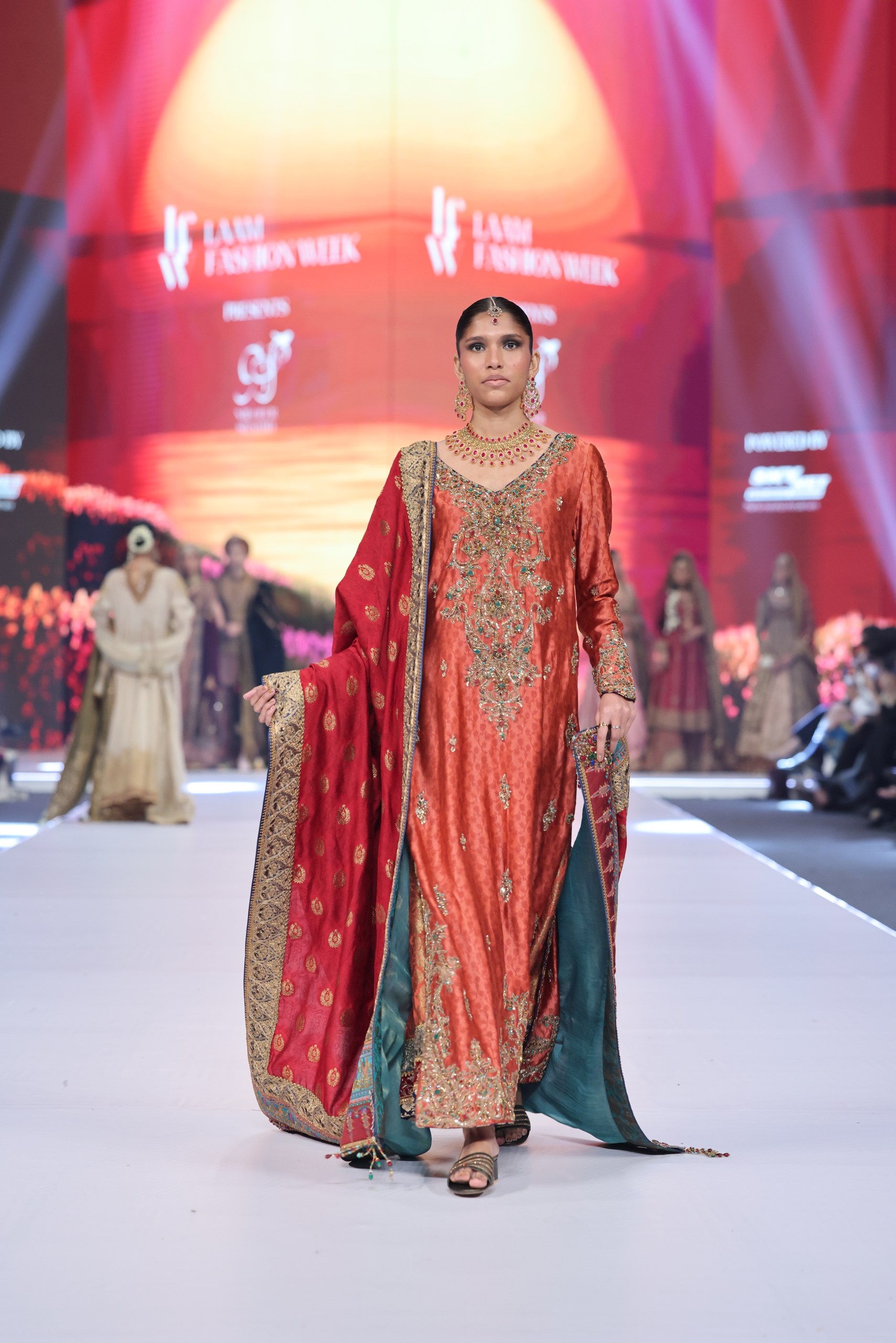
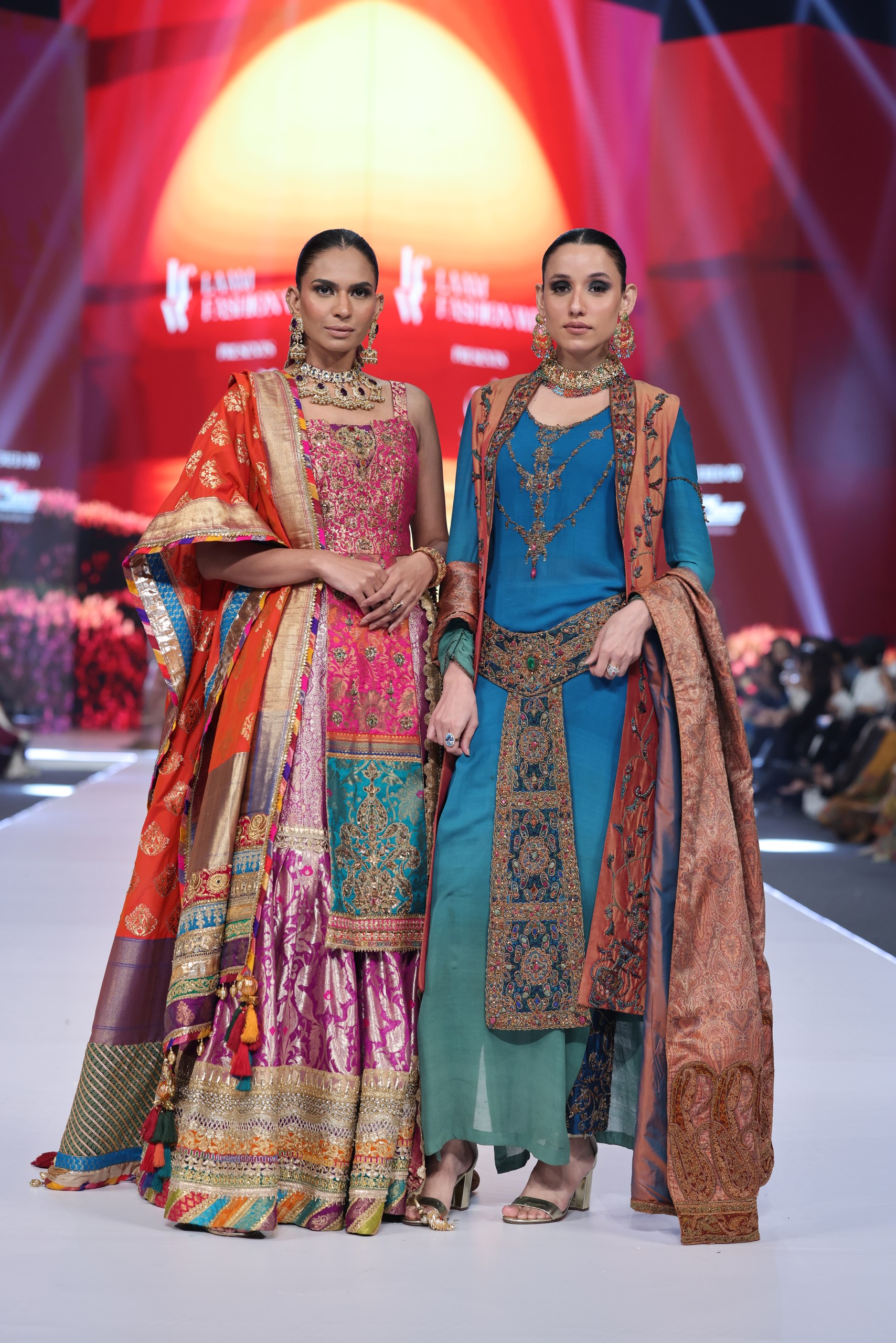
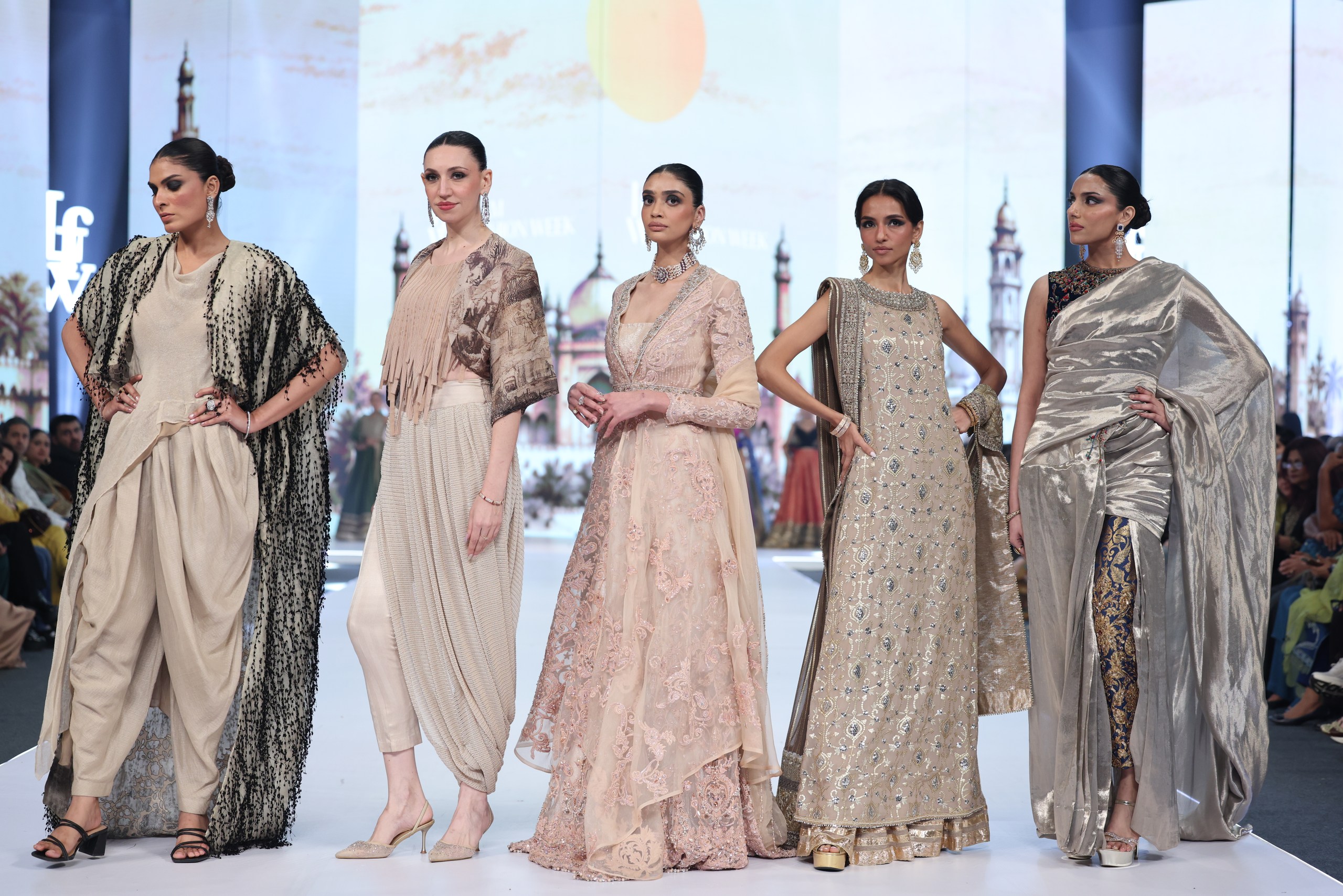
There were the artistic floral embroideries, many inspired by the European Renaissance era, regal ghararas and lehngas, embroidered outfits accompanied by beautiful shawls, saris with elaborate trailing pallus, jackets, kaftans, all in an endless, seamless procession of archival treasures.
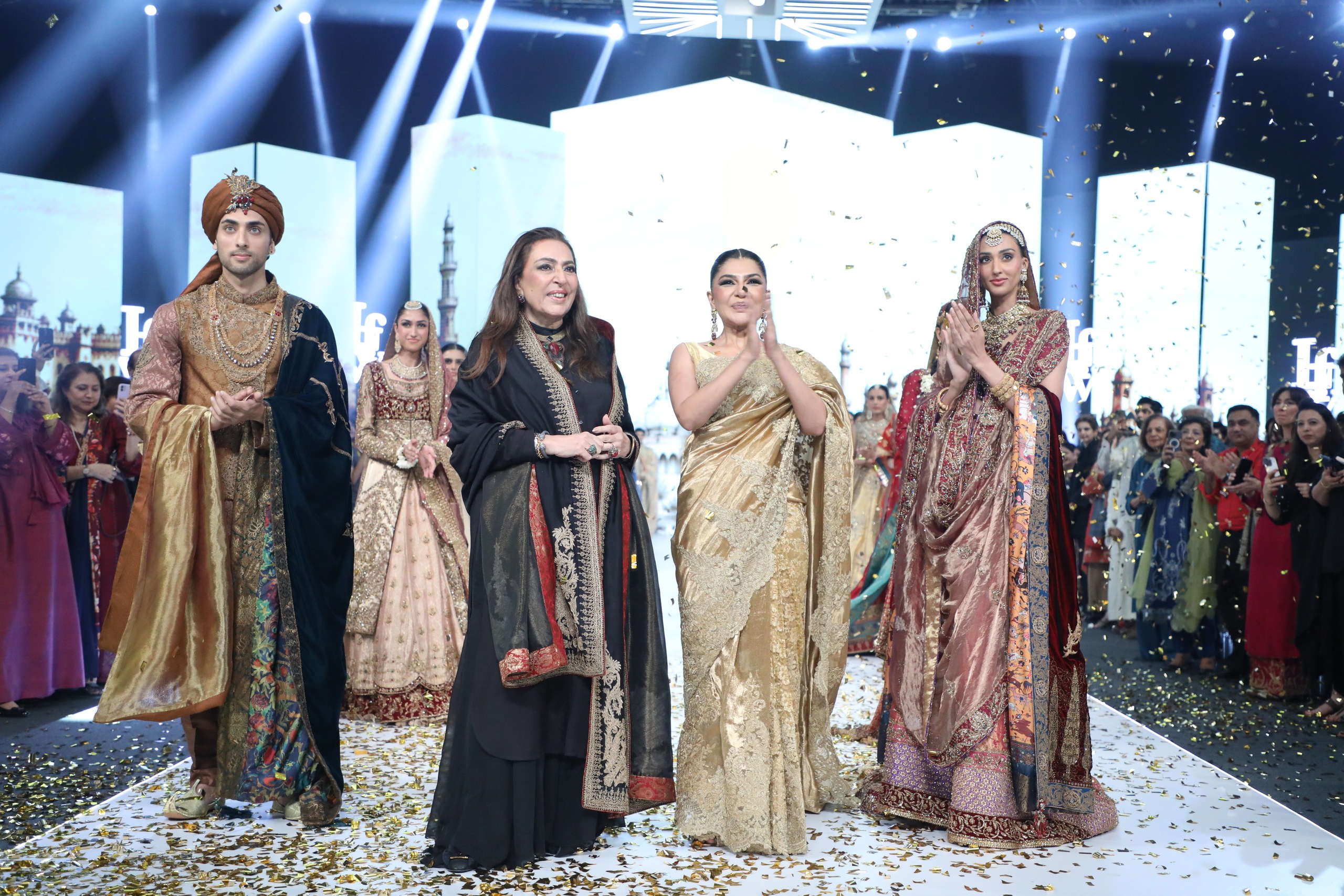
It was timeless, glorious fashion. A reminder that craftsmanship, merged with imagination and a reverence for history can culminate into fashion that transcends trends and that is eternally beautiful.
DAY TWO
Parishae
A completely different fashion template was followed by Parishae Adnan whose lineup was dominated entirely by black and grey, conceived around a woman’s sense of identity. Fitted silhouettes were accentuated by chunky silver jewelry and the lowers caught the eye, ranging from variations of the shalwar to balloon pants to draped skirts.
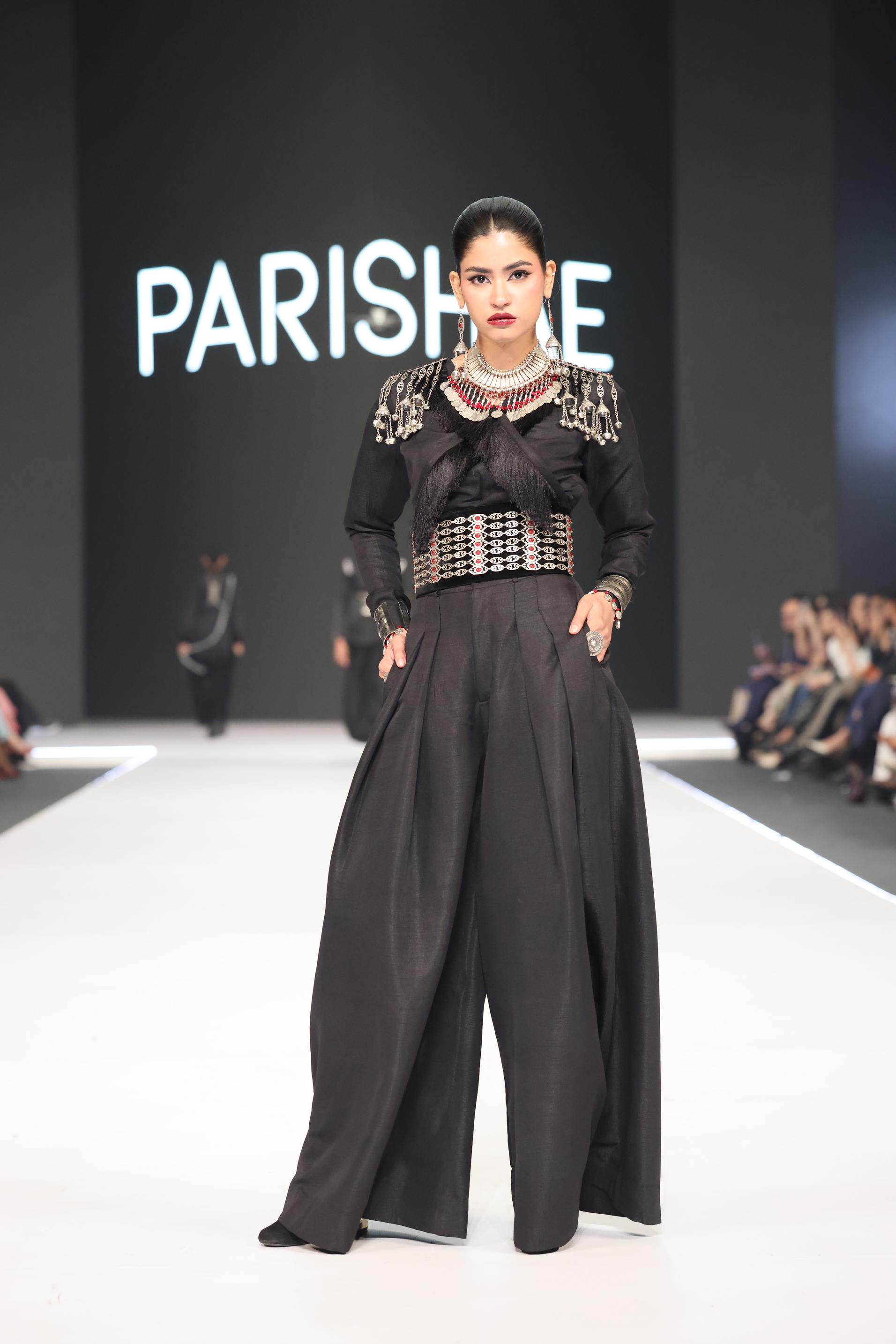
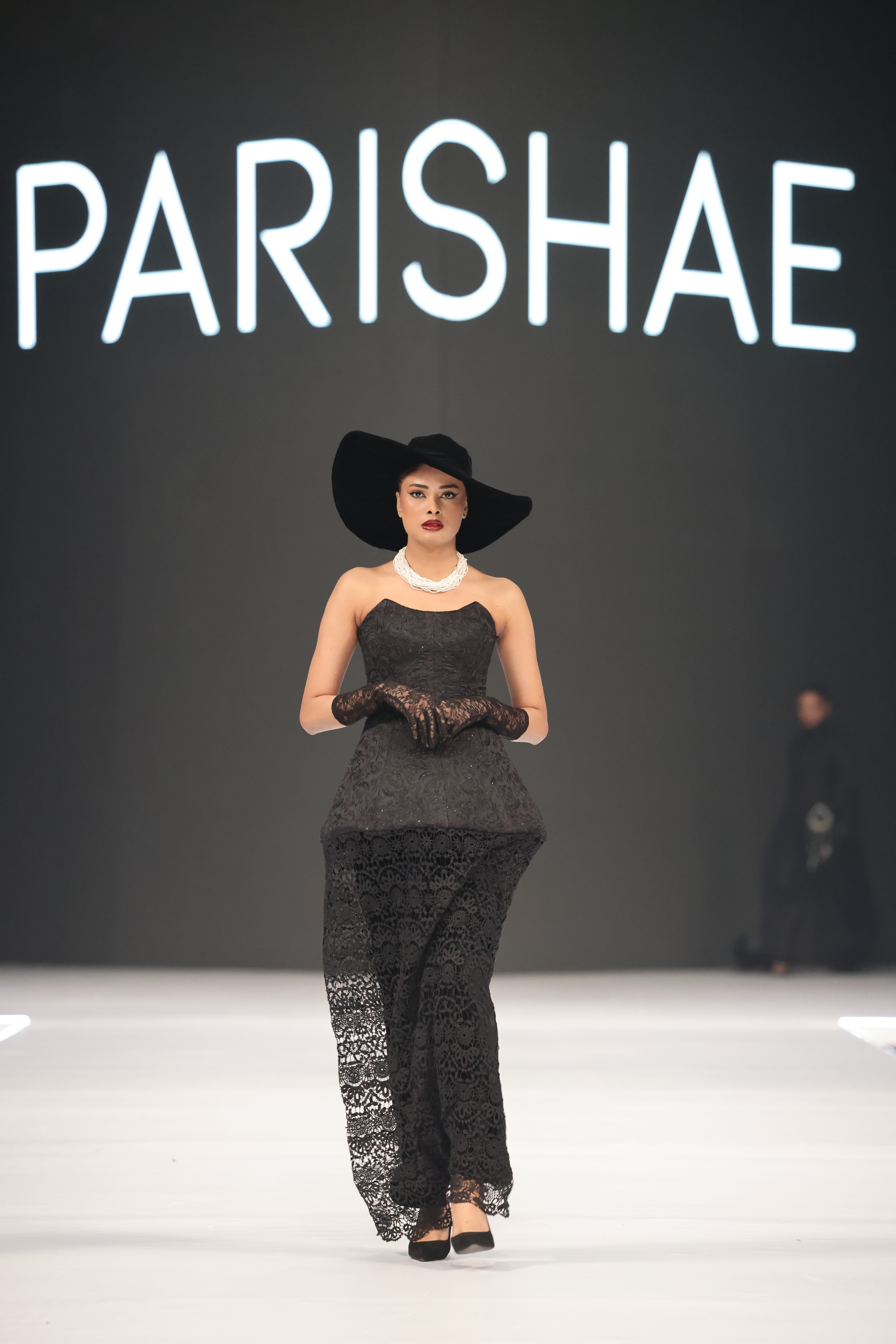
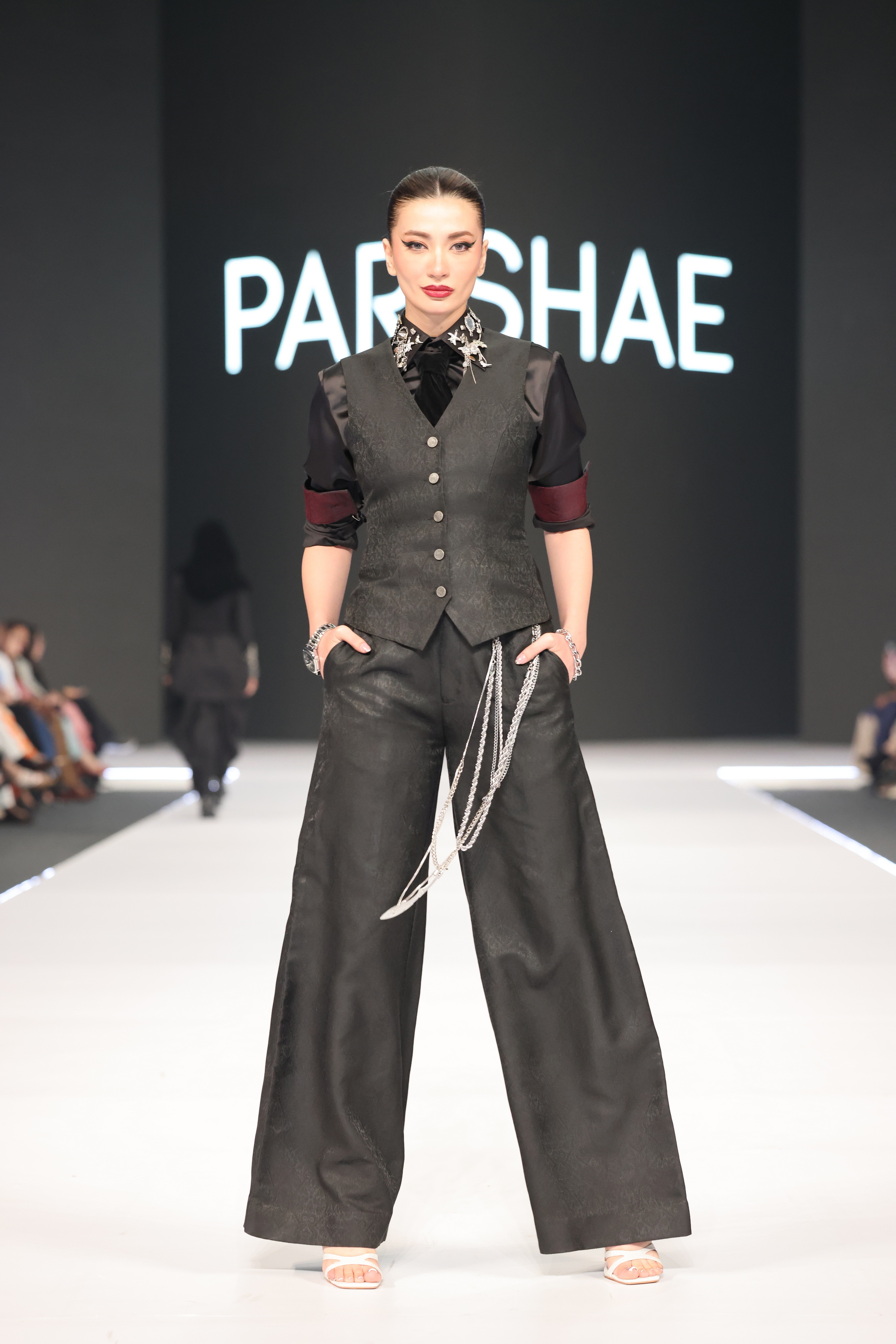
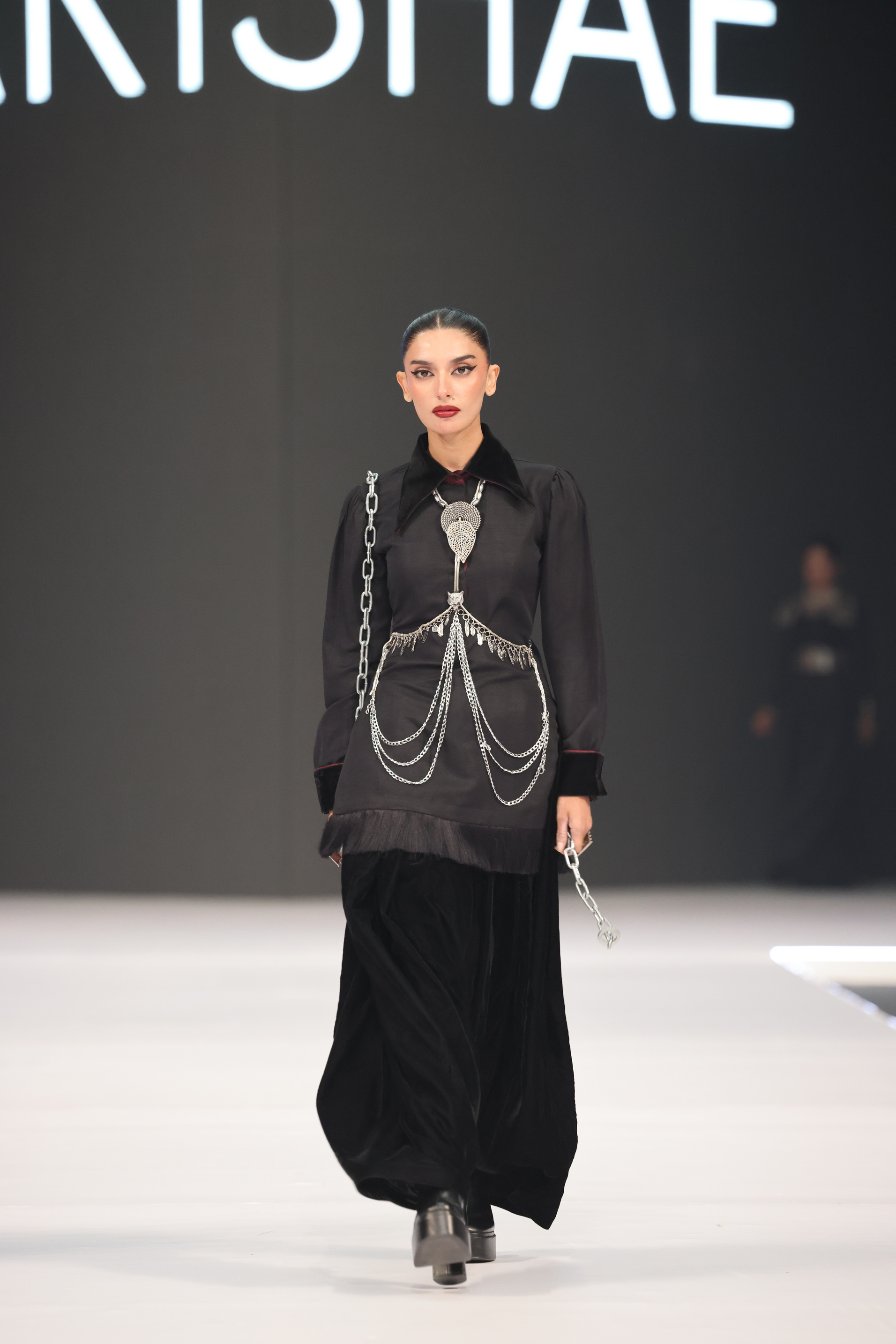
Improvements in the embroideries and fabrics used – and perhaps, a variation in color – would have benefitted the collection. What worked for the collection was the garment construction, particularly the structured tunics and the fitted tops.
DUNO By Hassan & Yahsir Waheed
This was one of the day’s standout collections. Designers Hassan and Yahsir Waheed worked painstakingly with indigenous fabrics, including ajrak, constructing an eclectic lineup of saris, dresses, co-ord sets, layered dresses, skirts, bralettes and shalwar kameez. Even the embellishments and accessories were fashioned from the same fabrics, lending the collection a sense of cohesion.
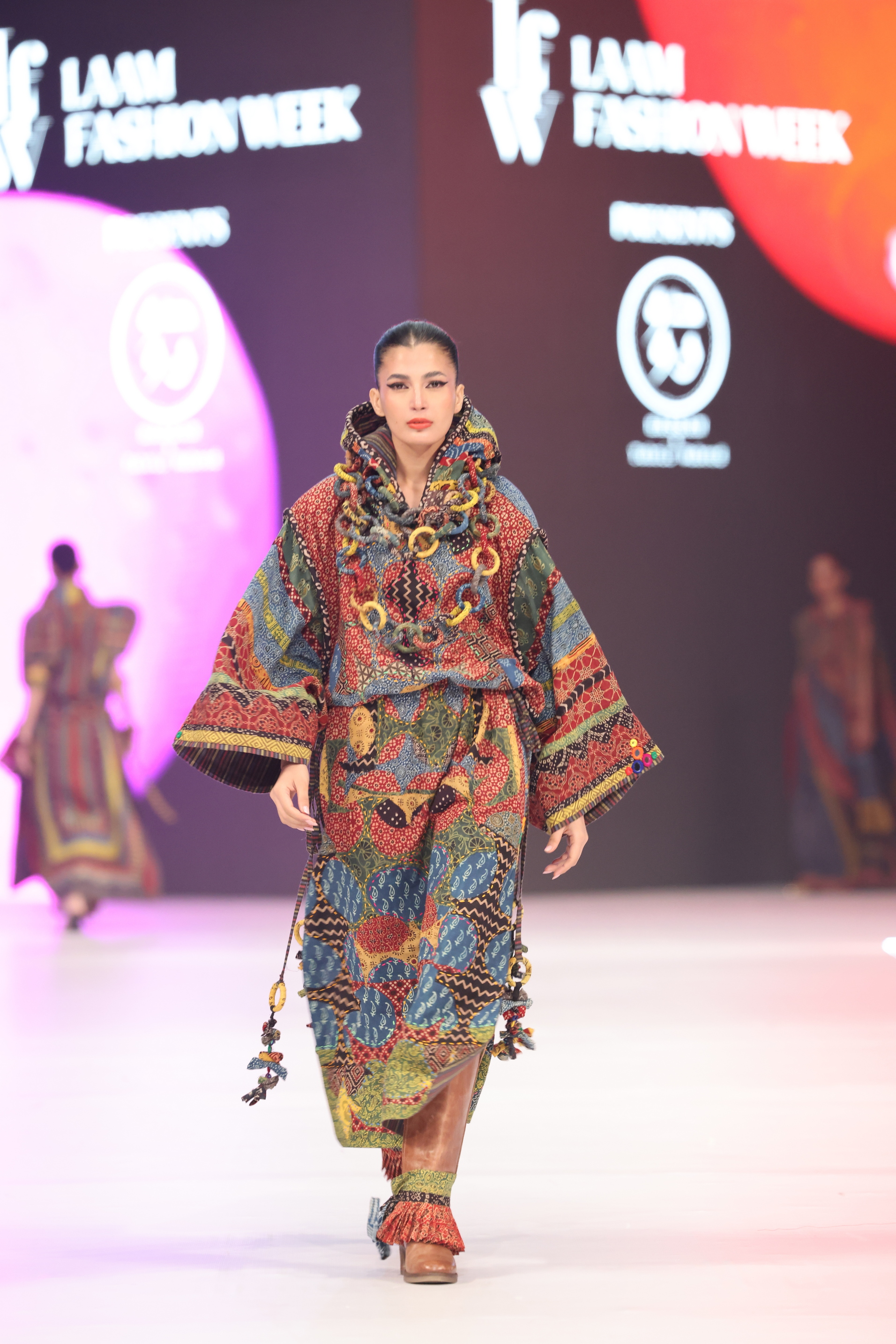
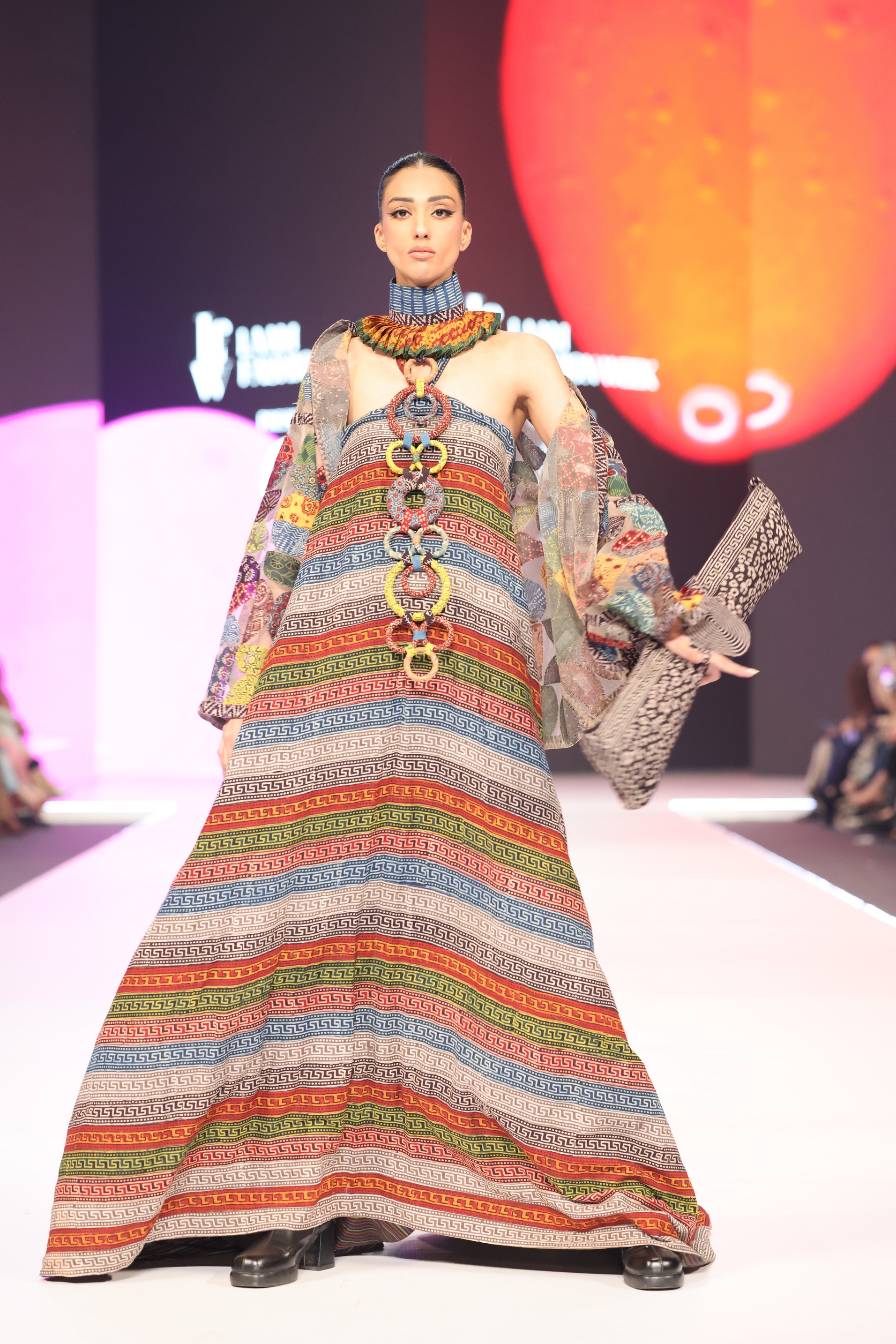
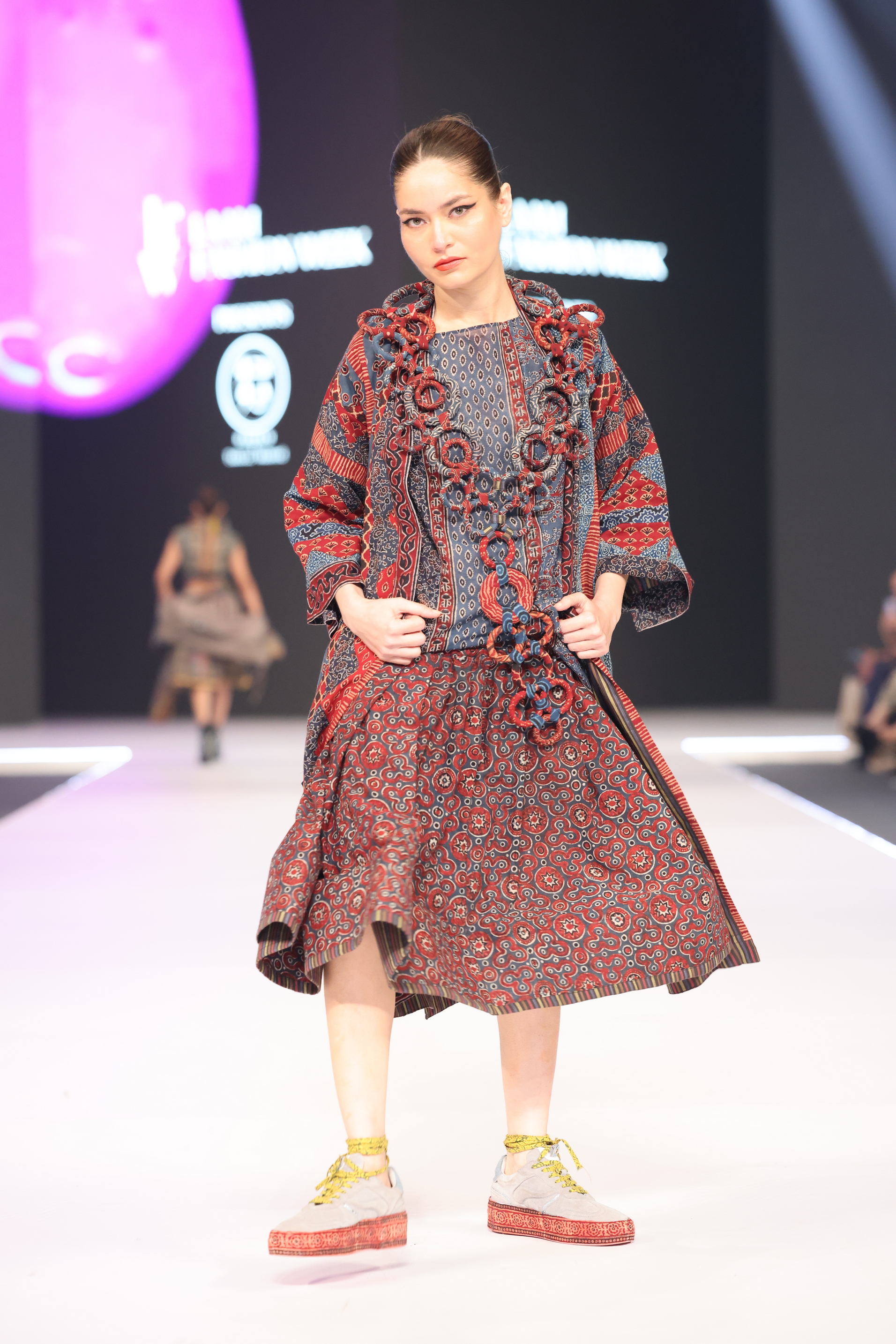
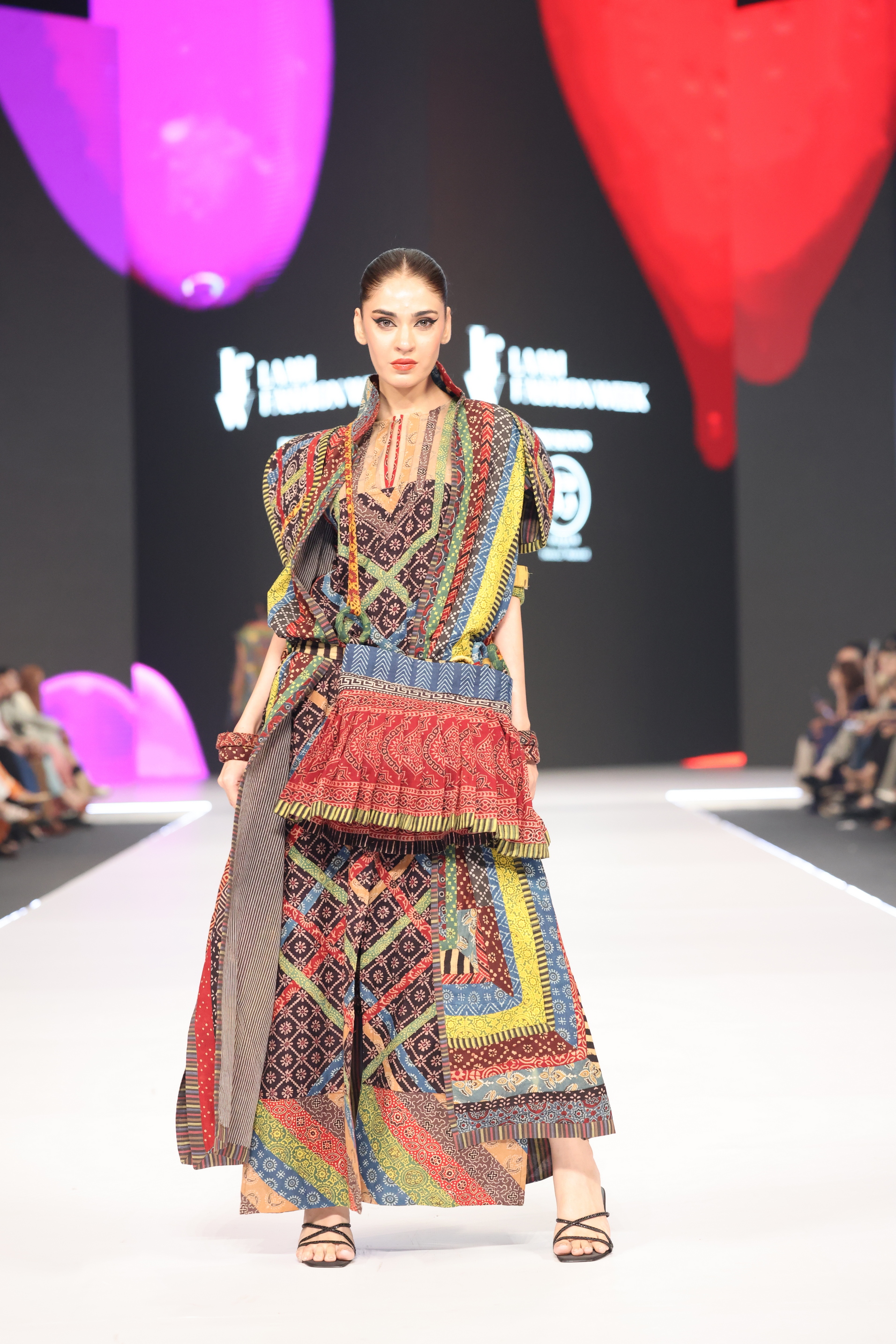
It was a strongly individualistic, very artistic line – one would expect nothing less from designer names who have been working in the business of Pakistani fashion for decades now.
Emraan Rajput
Emraan Rajput’s lineup of all-black menswear was sophisticated and mature, with some very fine tailoring and well-thought-out embellishments. There were tone-on-tone thread embroideries, bling added with silver accessories, stones and bead-work, the sheer shirts peeping out from beneath jackets, long winter coats shared the runway with dinner suits and the options in lowers offered a welcome variety.
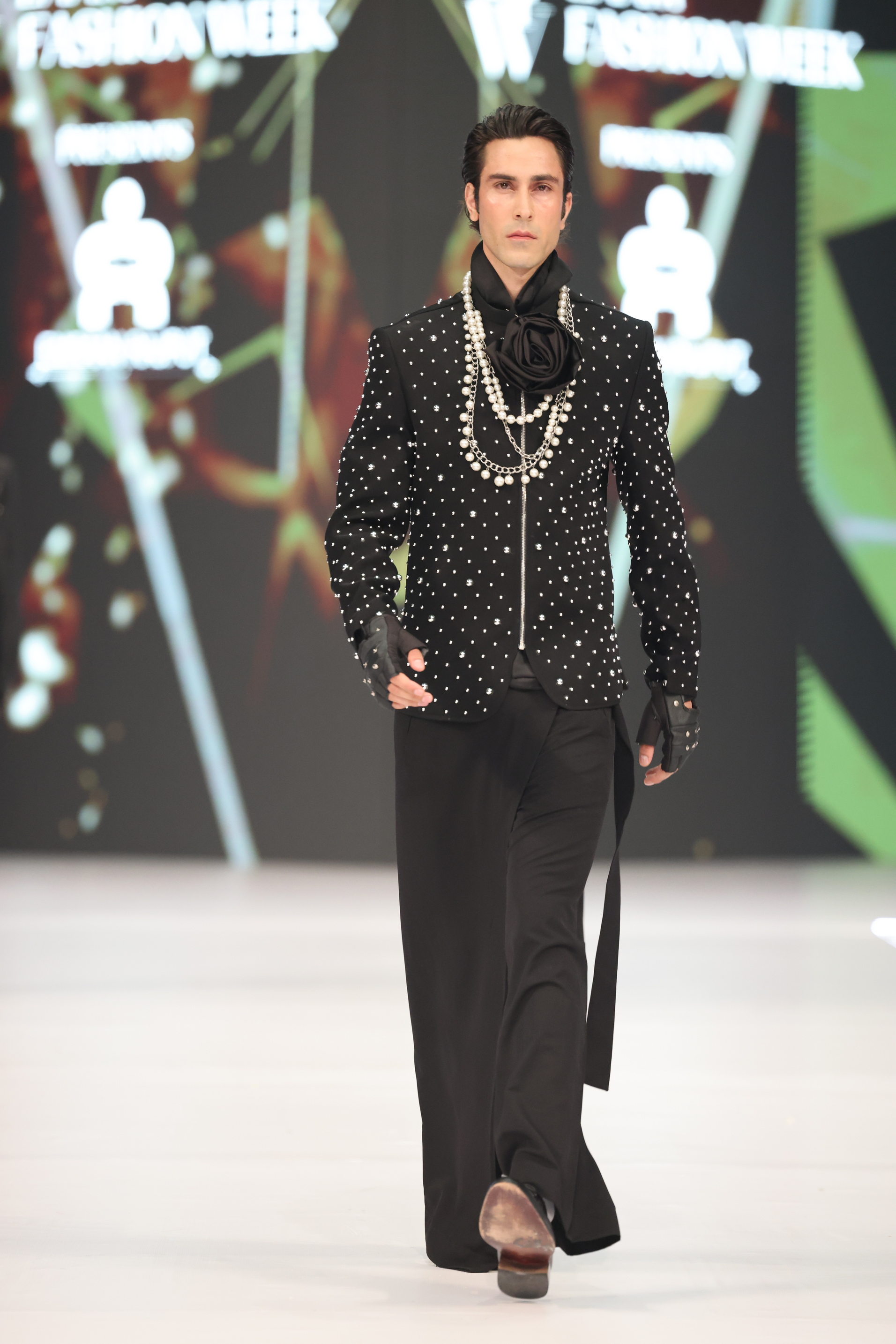
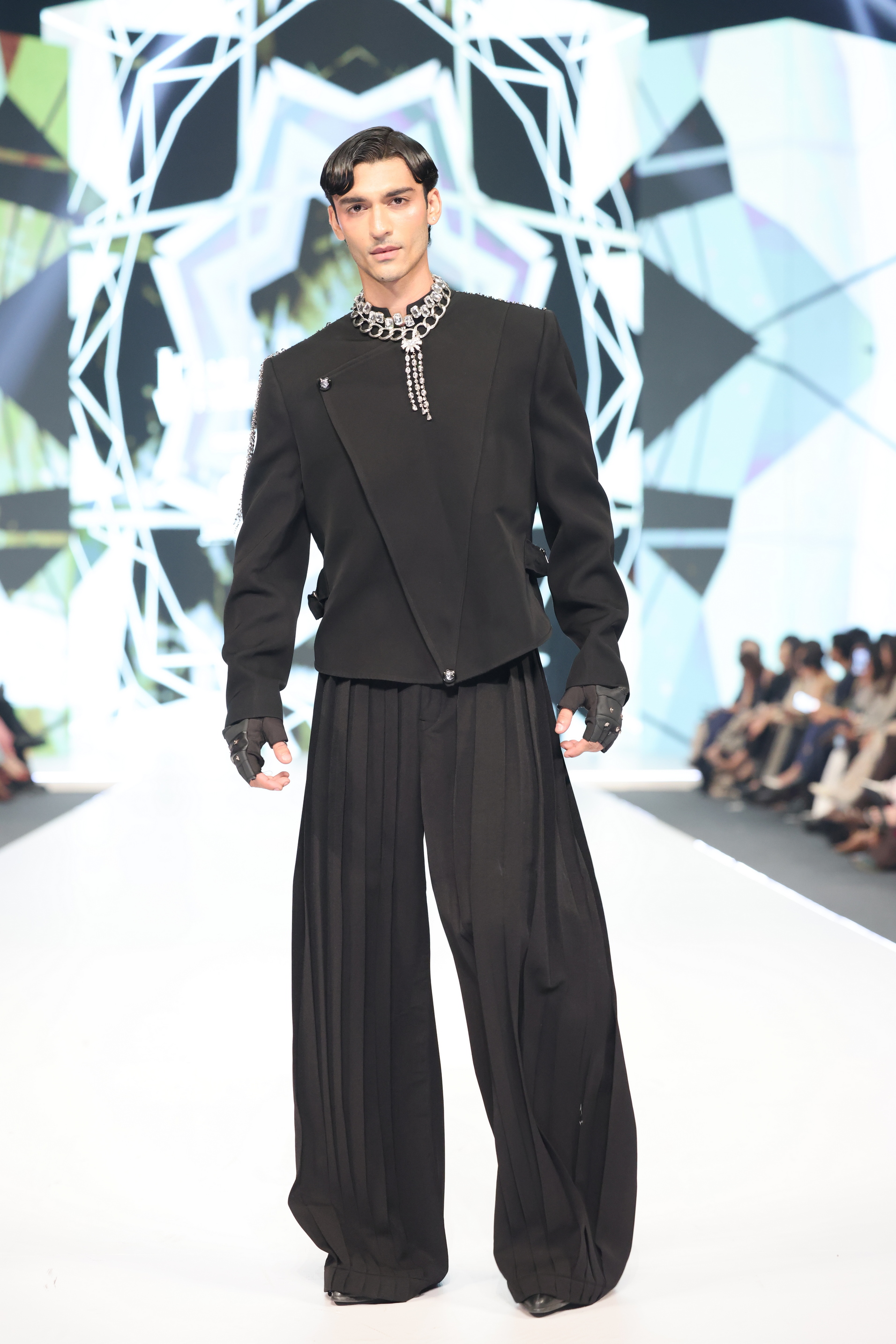
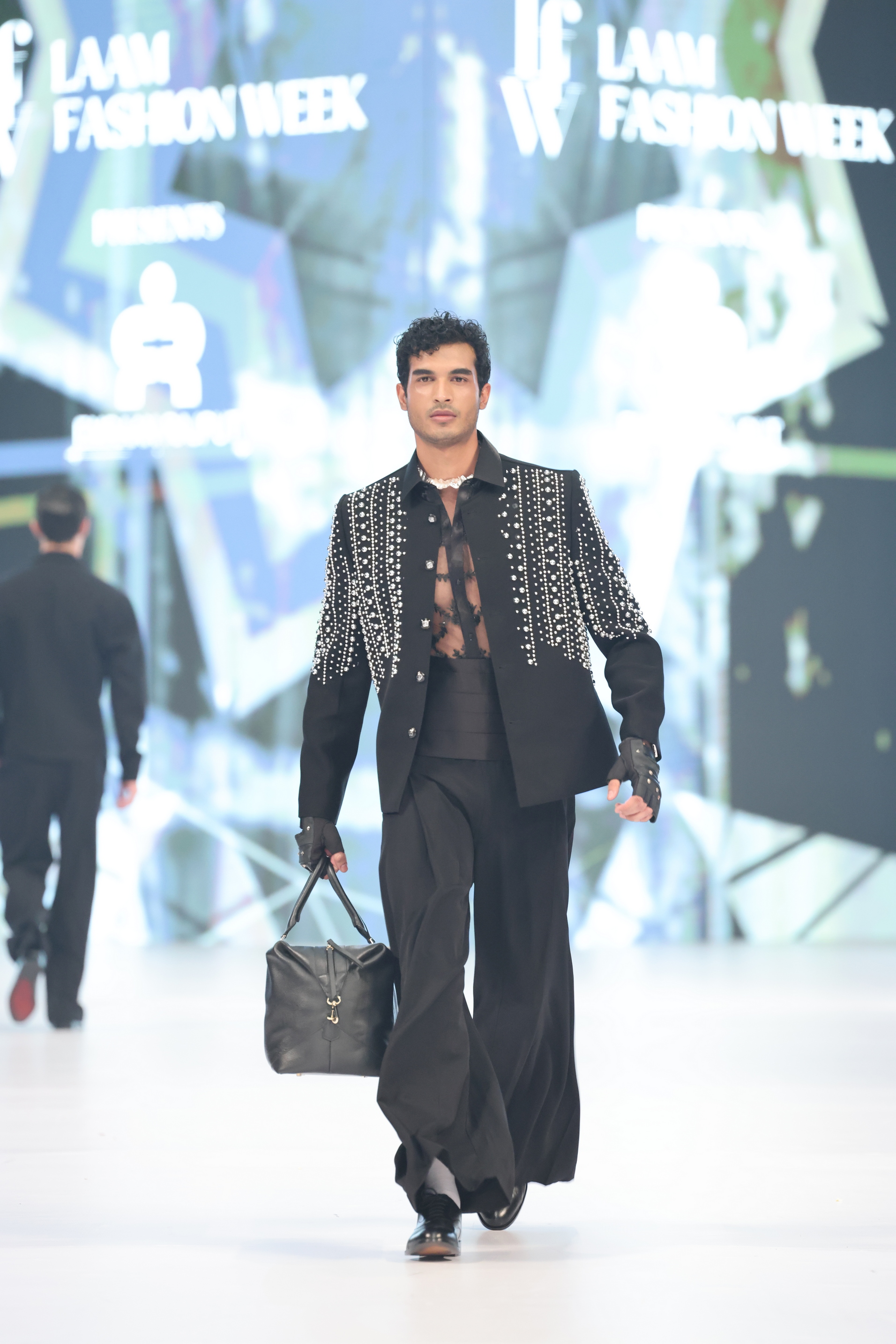
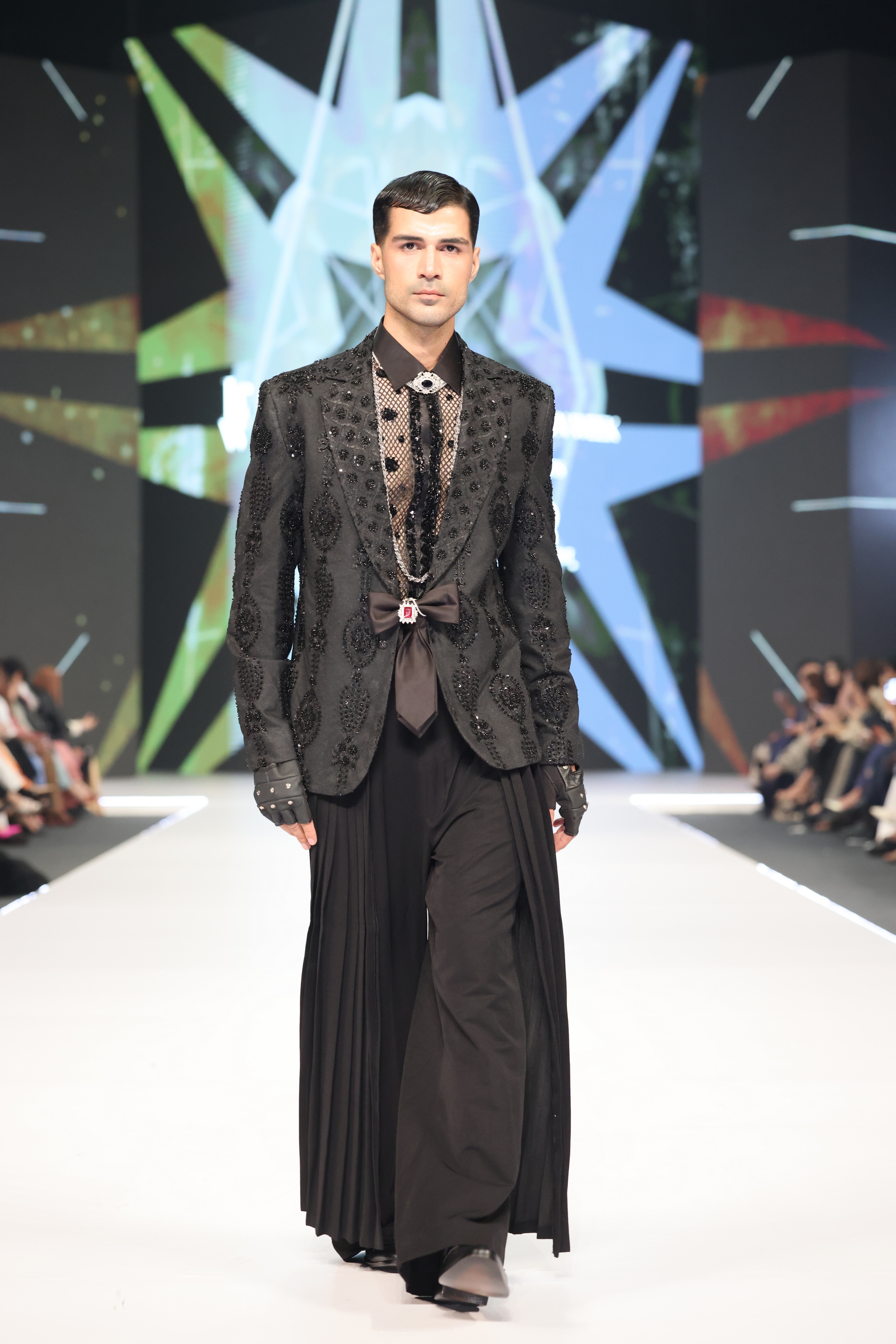
Accessories were added in too: jewelry pieces, gloves, ruffled bow ties.
It was menswear, mastering the balancing act between drama and wearability, all set to make a statement without going over the top. A strong outing for menswear, and one of the day’s more accomplished showcases.
Jugnu Studios
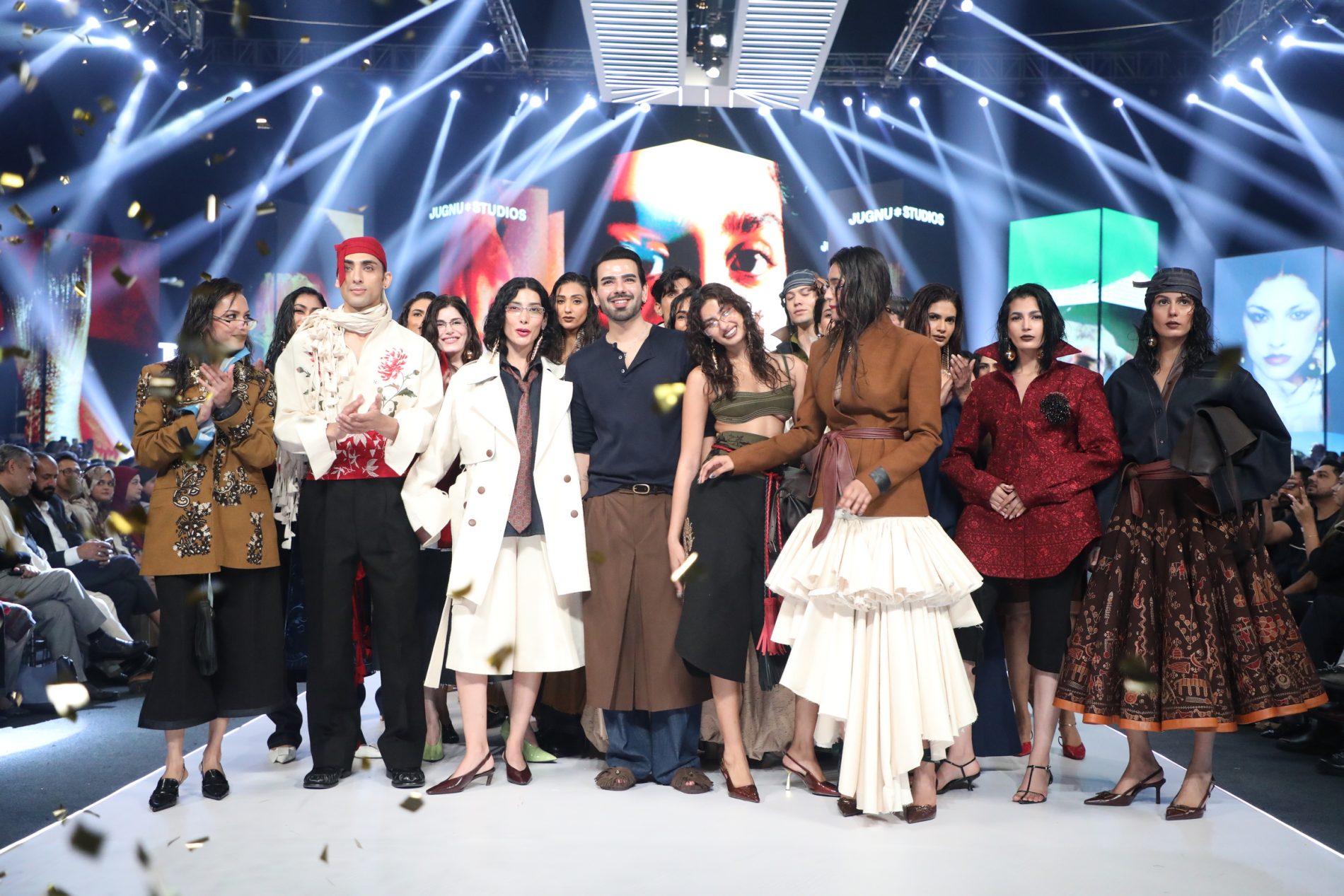
The finale show for day two was by designer Hussain Rehar’s newly launched line Jugnu Studios – and what a show it was! The designer’s Jugnu Lahore label offers his take on affordable pret. The Jugnu Studios line, then, featured the signature aesthetics of its sister brand, giving them avant-garde tweaks.
It was uber cool, playful, fashion-forward. There were cascading skirts, oversized tunics, statement jackets, bubble hems and a particularly lovely skirt scattered with confetti-like pieces of fabric. The trousers and tunics were also appealing and one noticed distinctive details like ruffled collars, waistbands and florals and landscapes etched out with dainty machine embroideries.
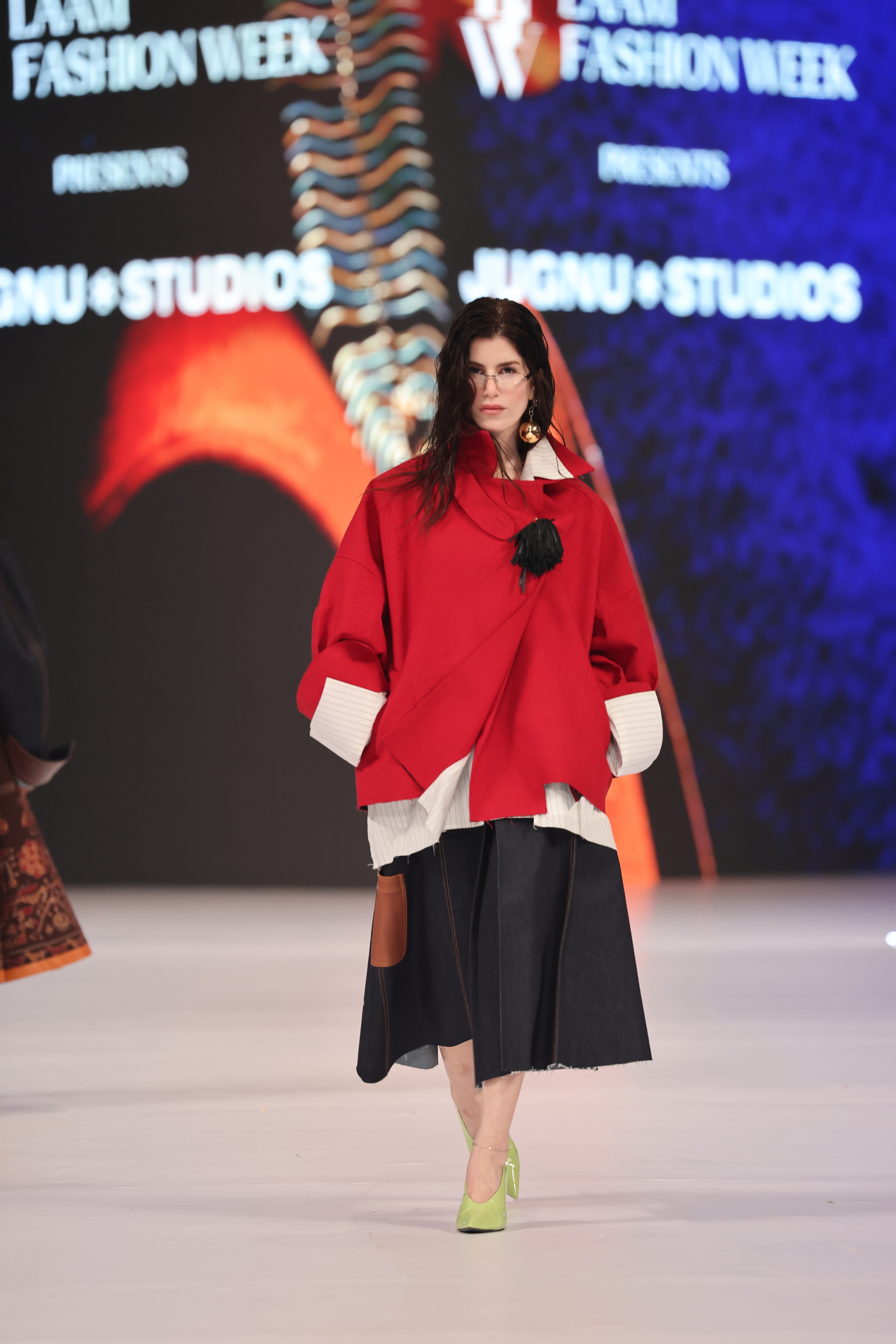
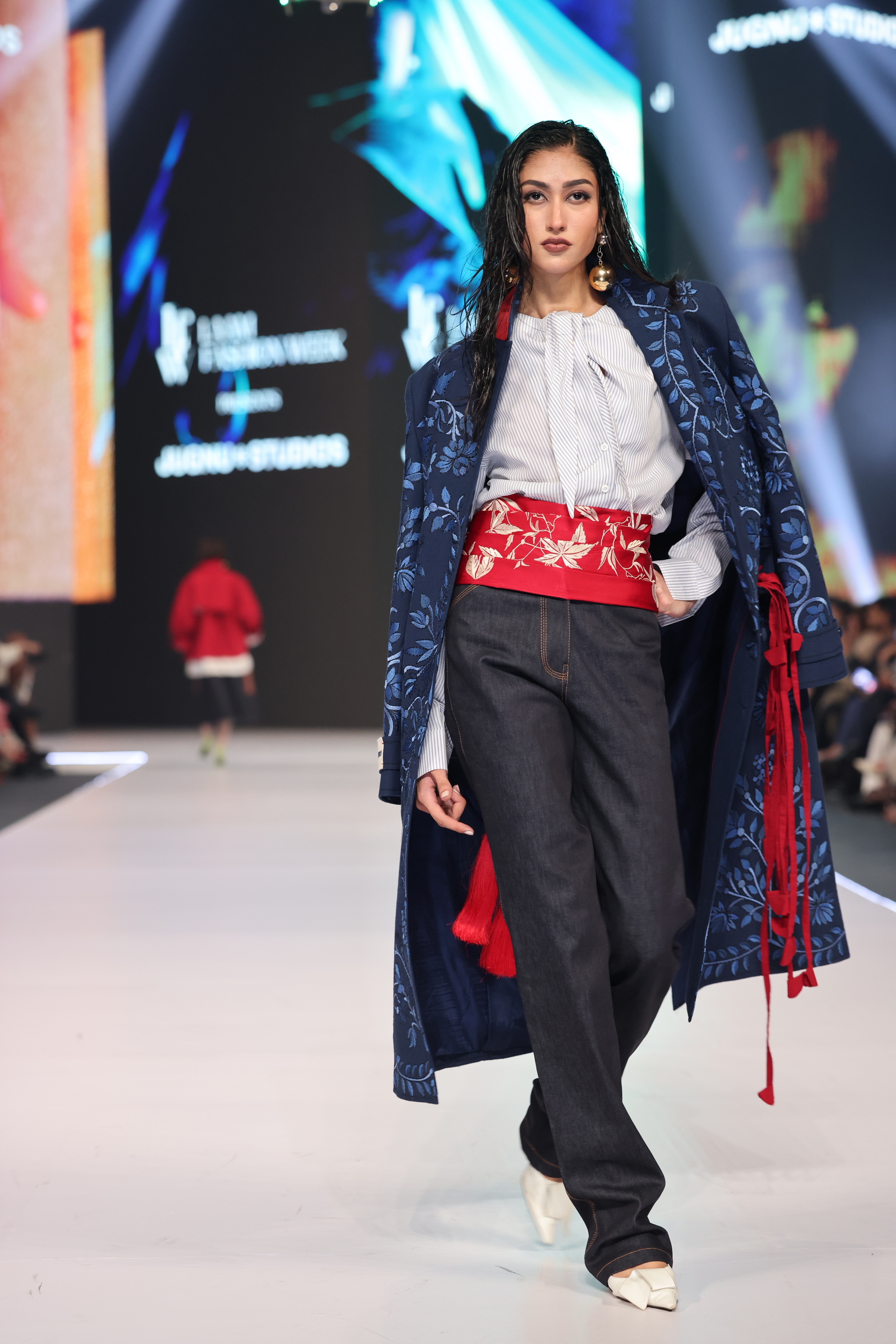
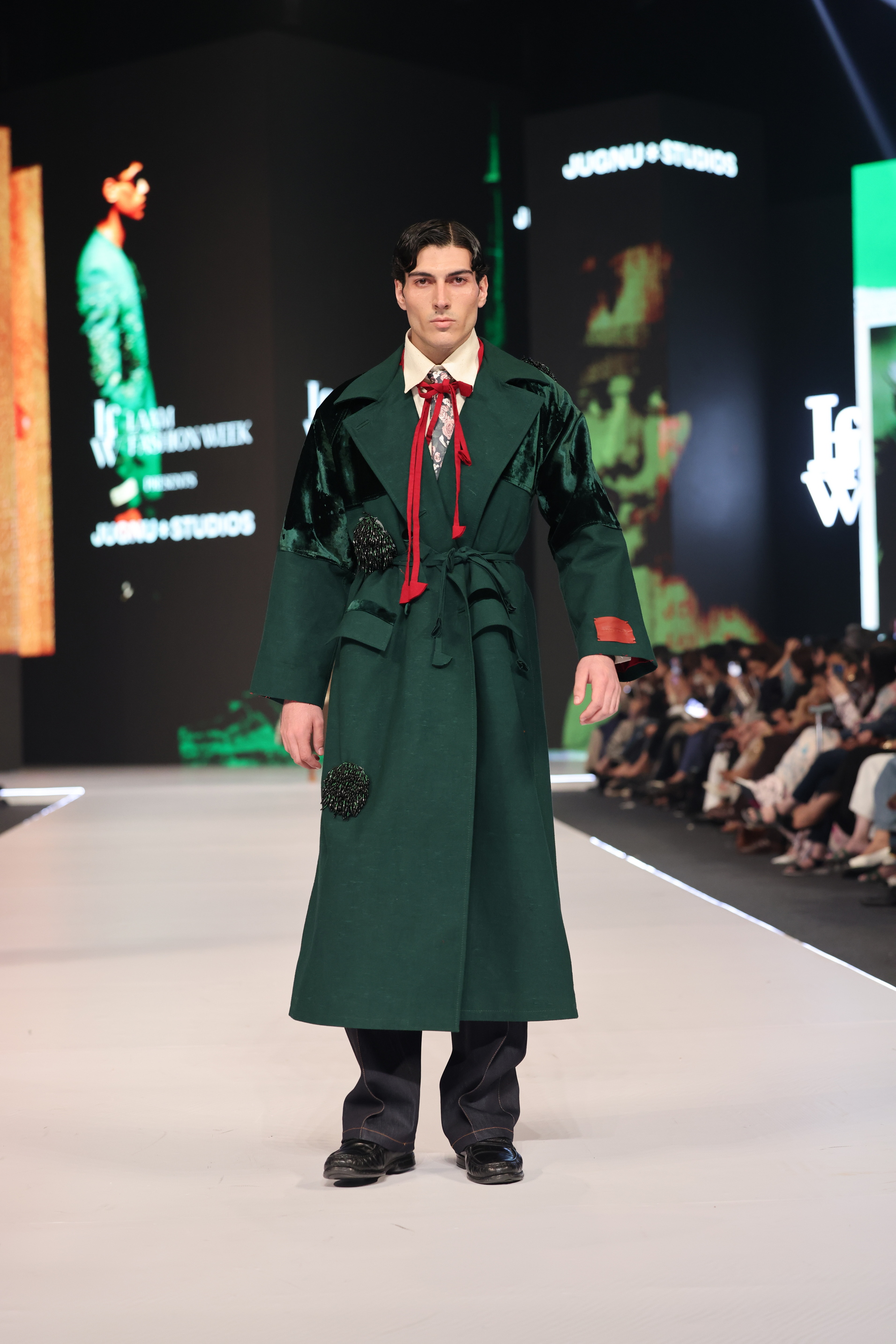
According to the designer, since Jugnu Lahore is an extension of the high-street Jugnu Lahore line, prices will be relatively affordable. This is intriguing: high-octane fashion that does not necessarily require a high-octane budget.
This was the kind of collection that raises the bar at fashion week, the kind that inspires others and sets new trends in motion which eventually trickle down to the high street.
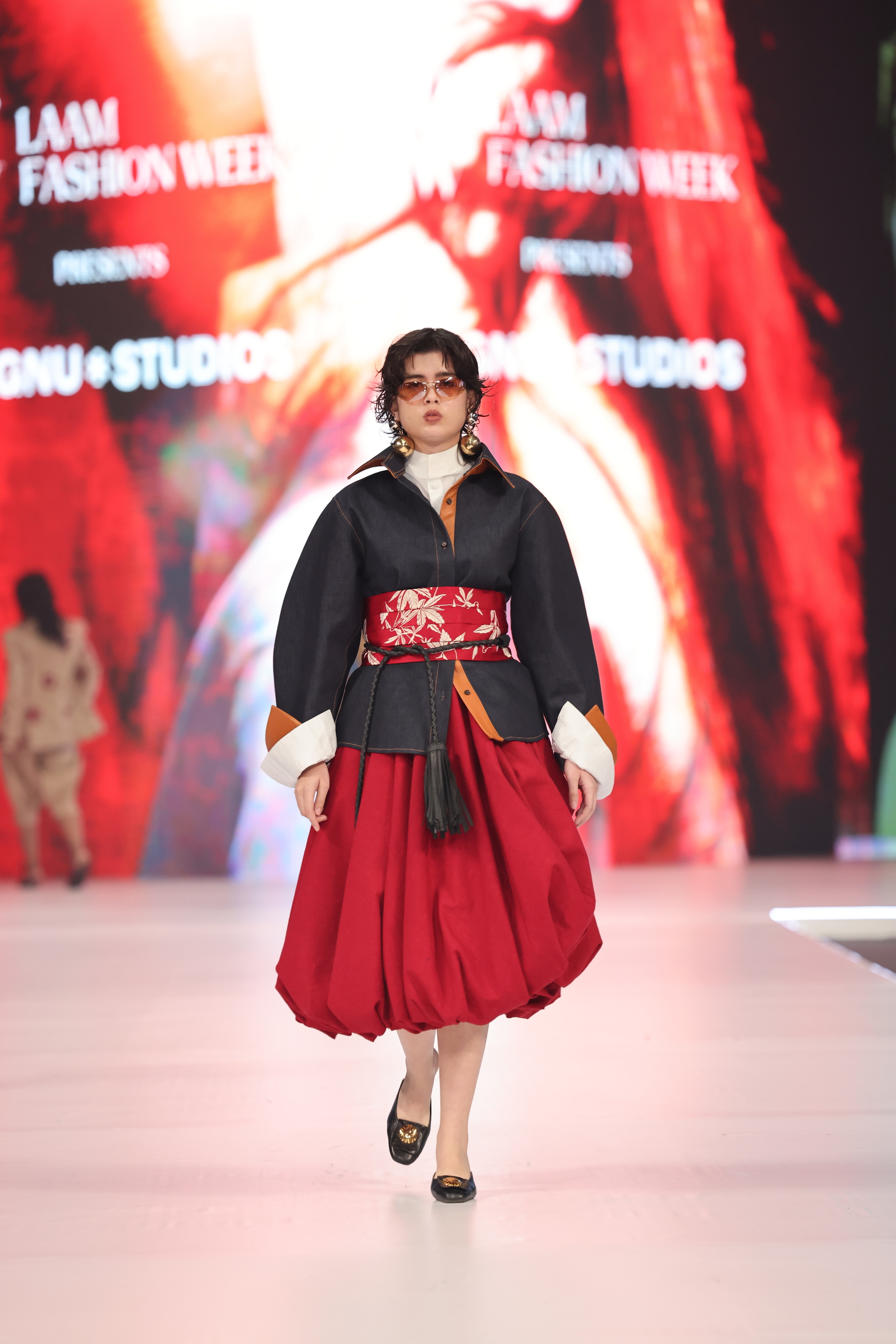
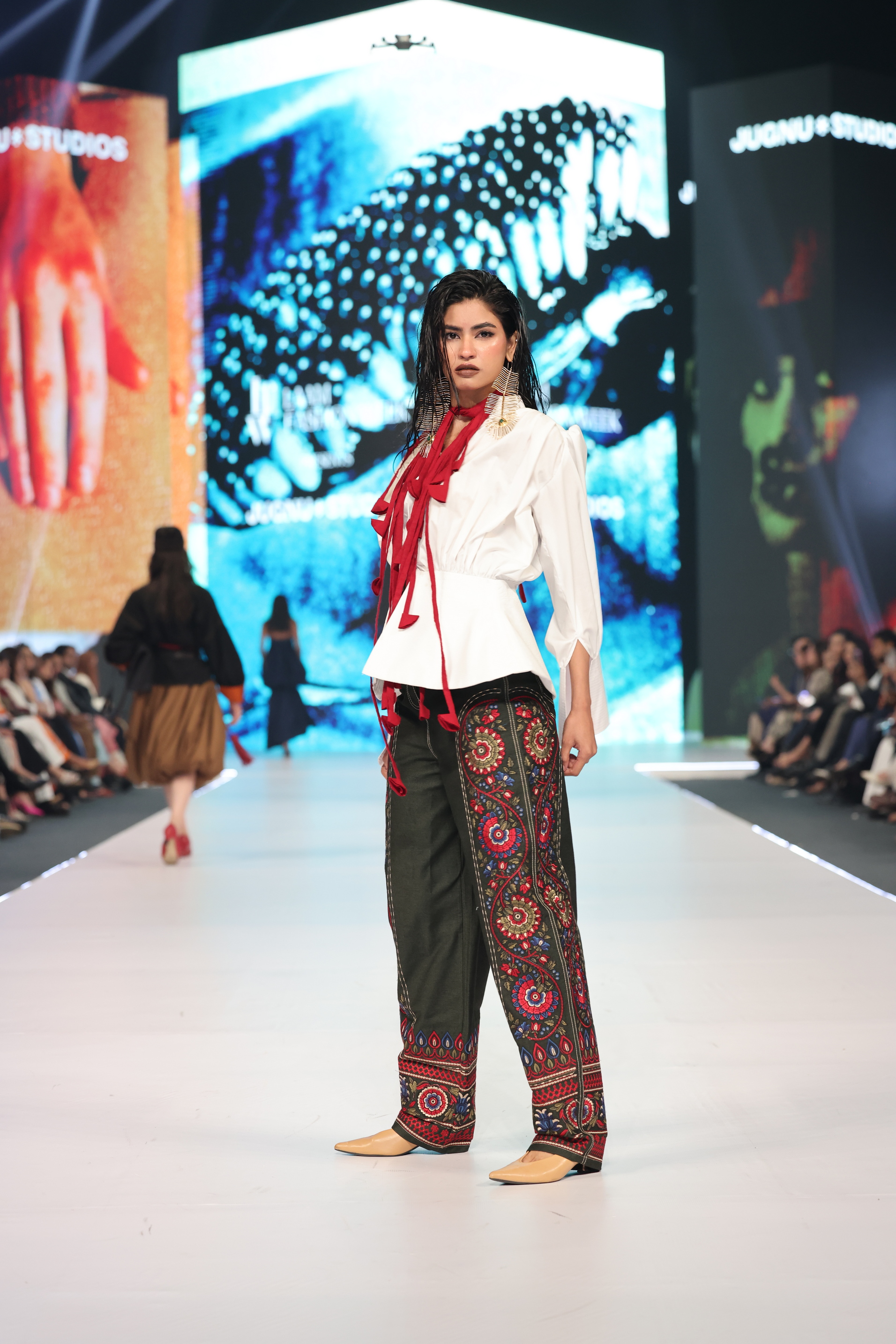
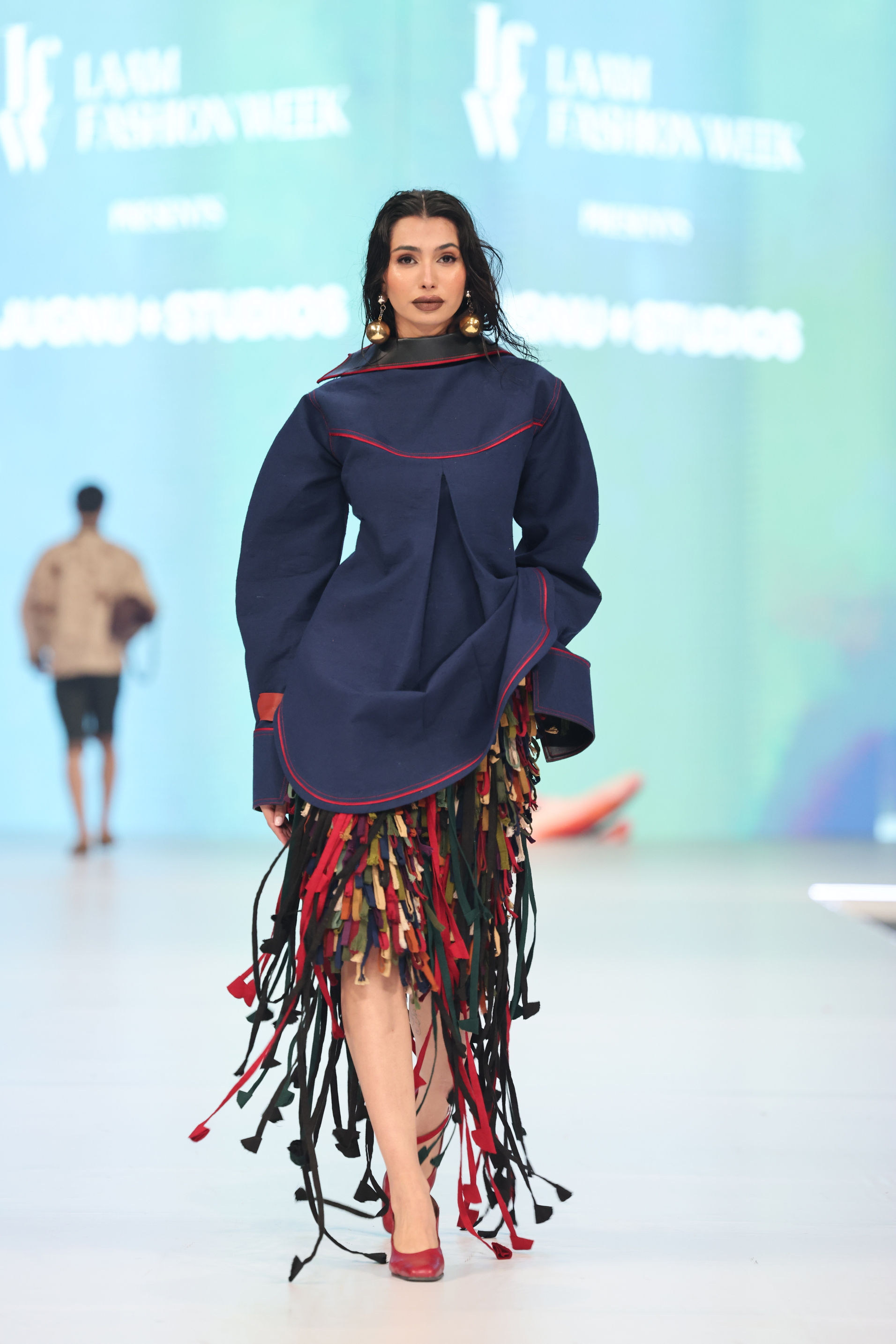
It was also testament to how Hussain Rehar has grown as a designer, with a strong identity and vision of his own. More of this at the next fashion week, please!
DAY THREE
Mo By Mohsin Tawasuli
Mohsin Tawasuli’s distinctive design signature played out on the catwalk, as the first show in the main designer showcases on the third day. It was a spellbinding lineup, varying between drama and wearability, relying entirely on fluid, free-flowing fabrics and the designer’s prowess at drapery.
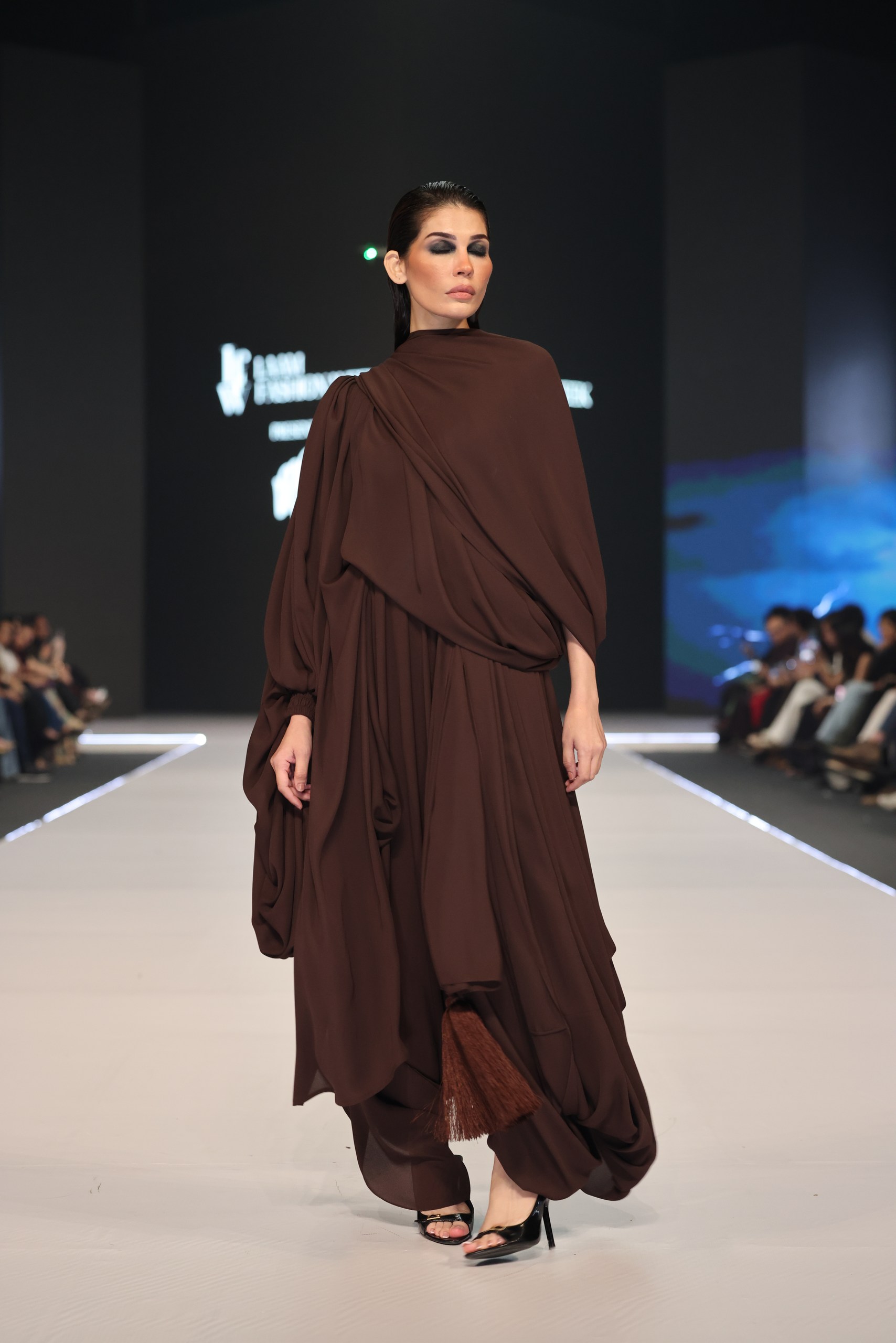
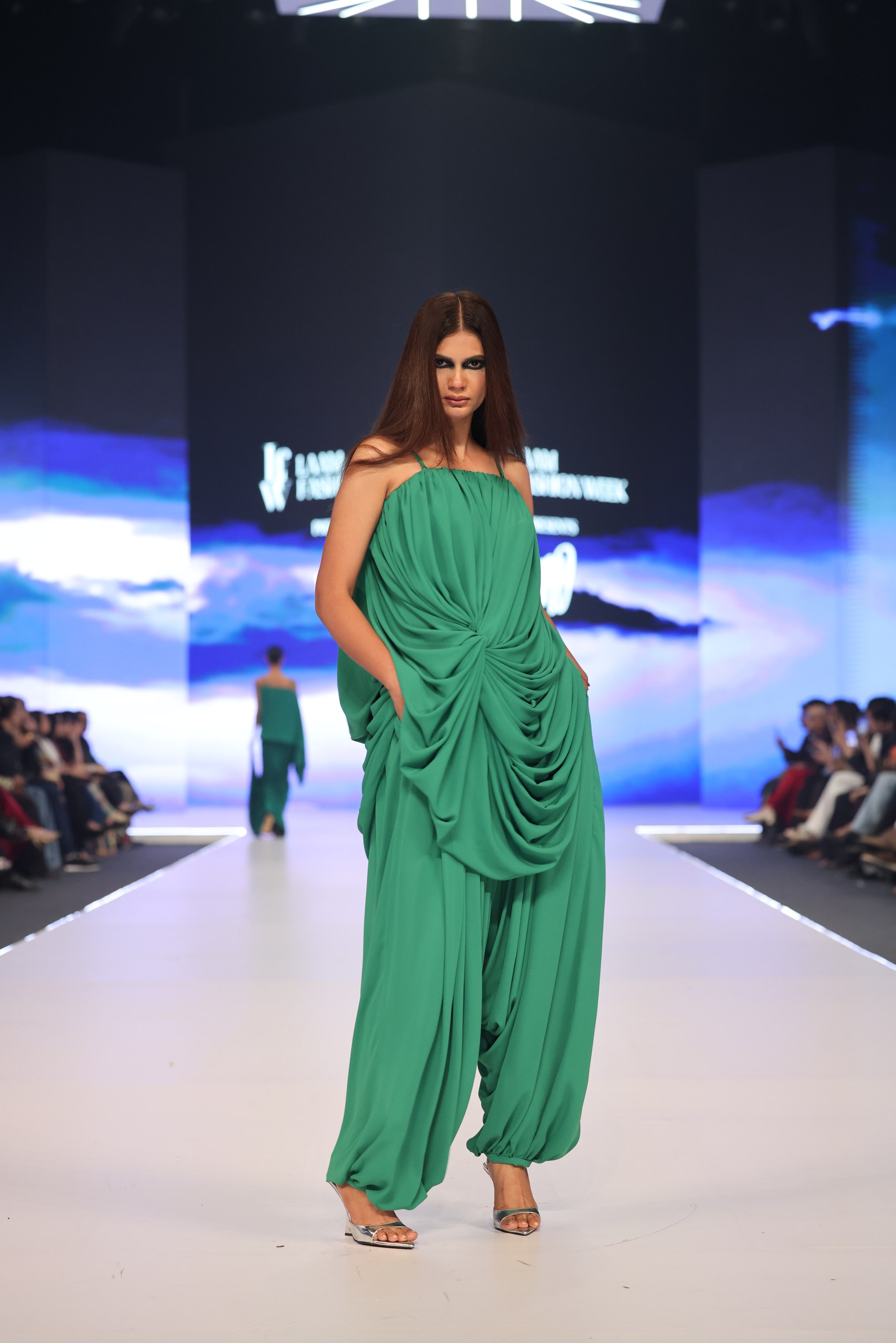
One loved the color palette; greys and browns followed by greens, crimson, vivid yellows and ivories. One also loved the draped dresses; the fabric gathered and molded into outfits that would be worthy of a Greek goddess. There were other designs that perhaps were more there for theatrics; the drapes folded into proportions that could more easily be carried off by the bold at heart.
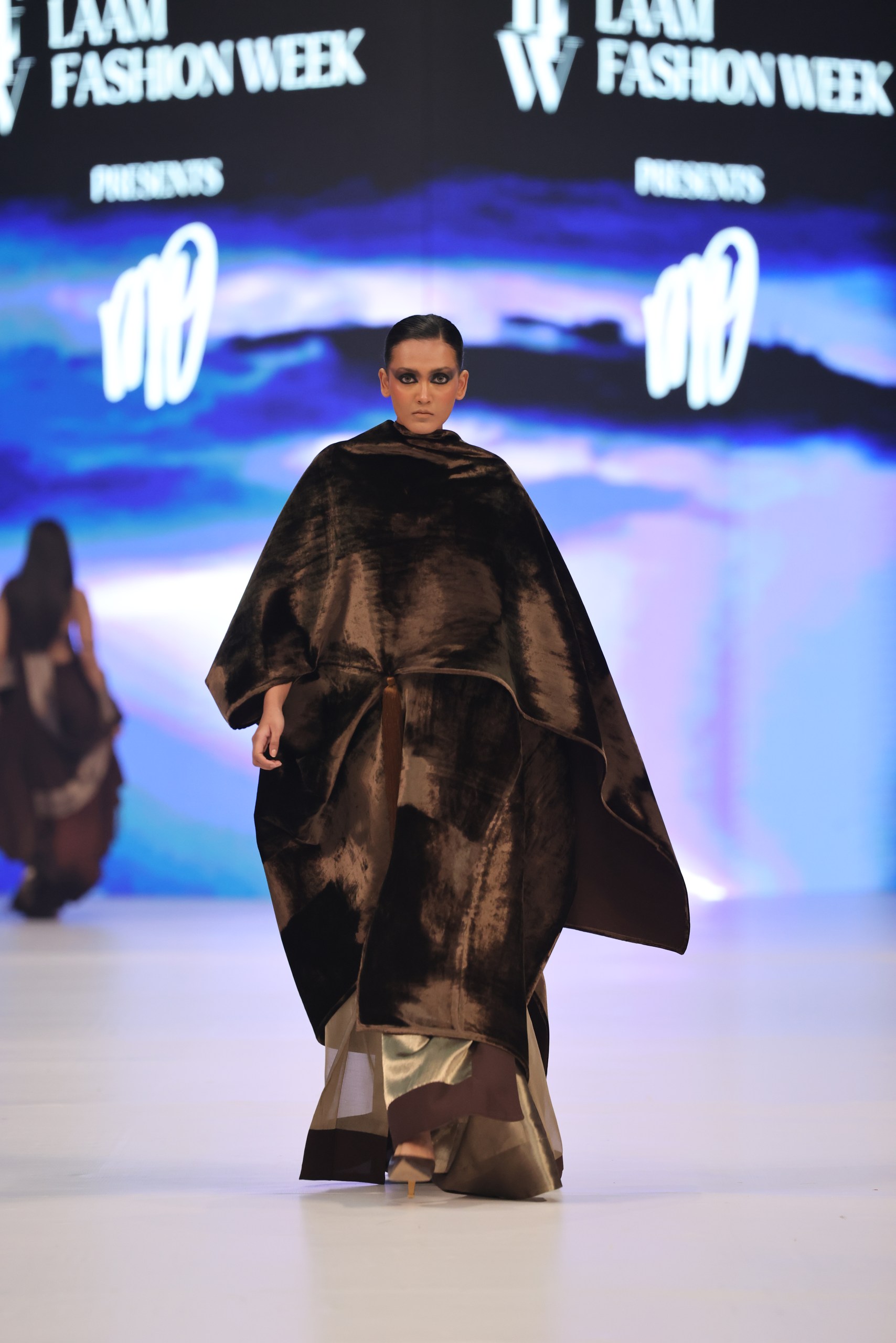
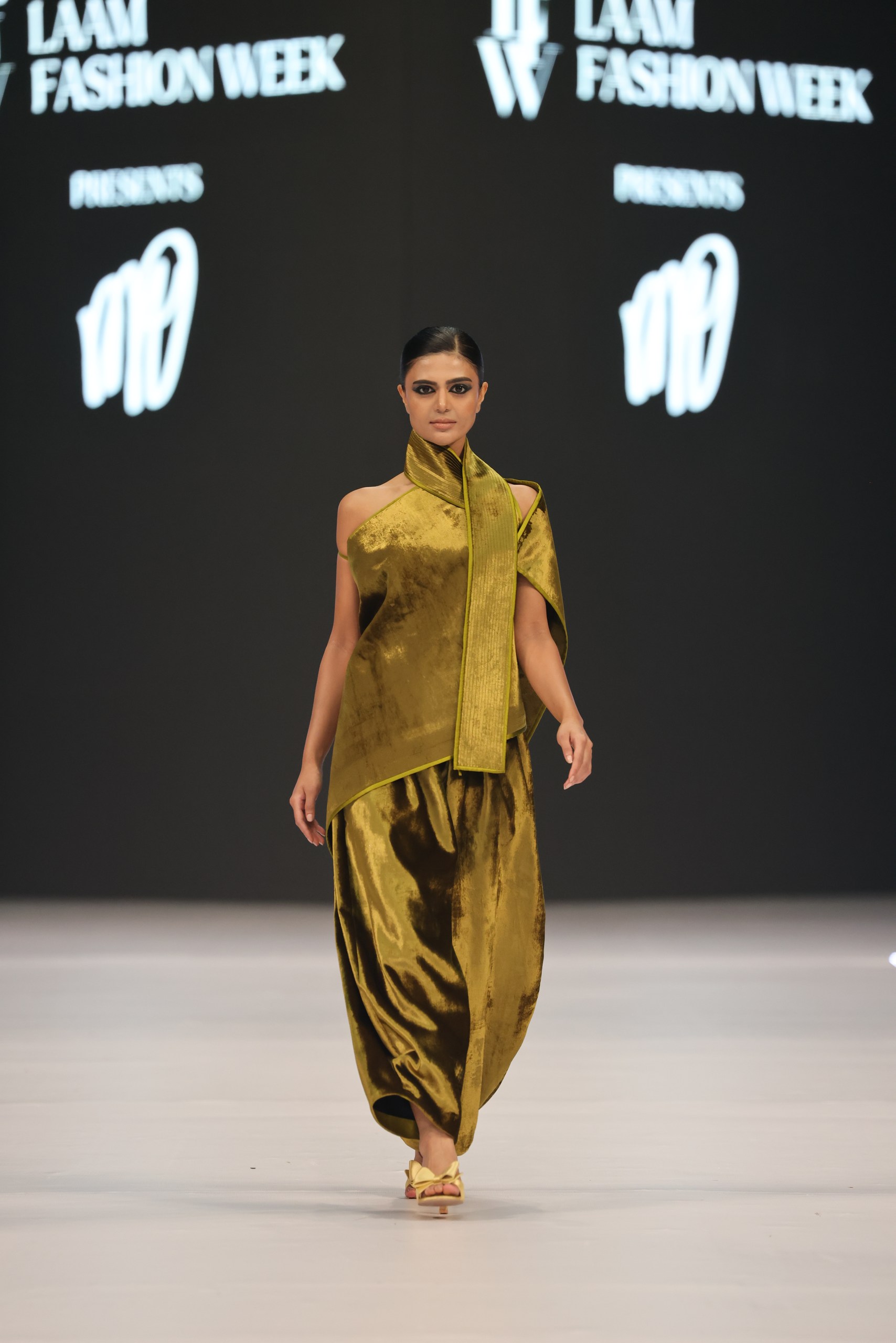
Then again, this wasn’t a collection for the faint-hearted anyway. It was for the aficionado who wants to possess a piece of fashion that is original, that eschews the usual trends and is calculated to always make a statement.
Souchaj by Mehak Junaid
Souchaj’s collection of old-world, traditional wedding-wear was in complete contrast. Relying on classic silhouettes, mainly shirts and dupattas paired with chooridar pajamas, it was a lineup that was accentuated by the very neat hand embroideries that one expects from the brand.
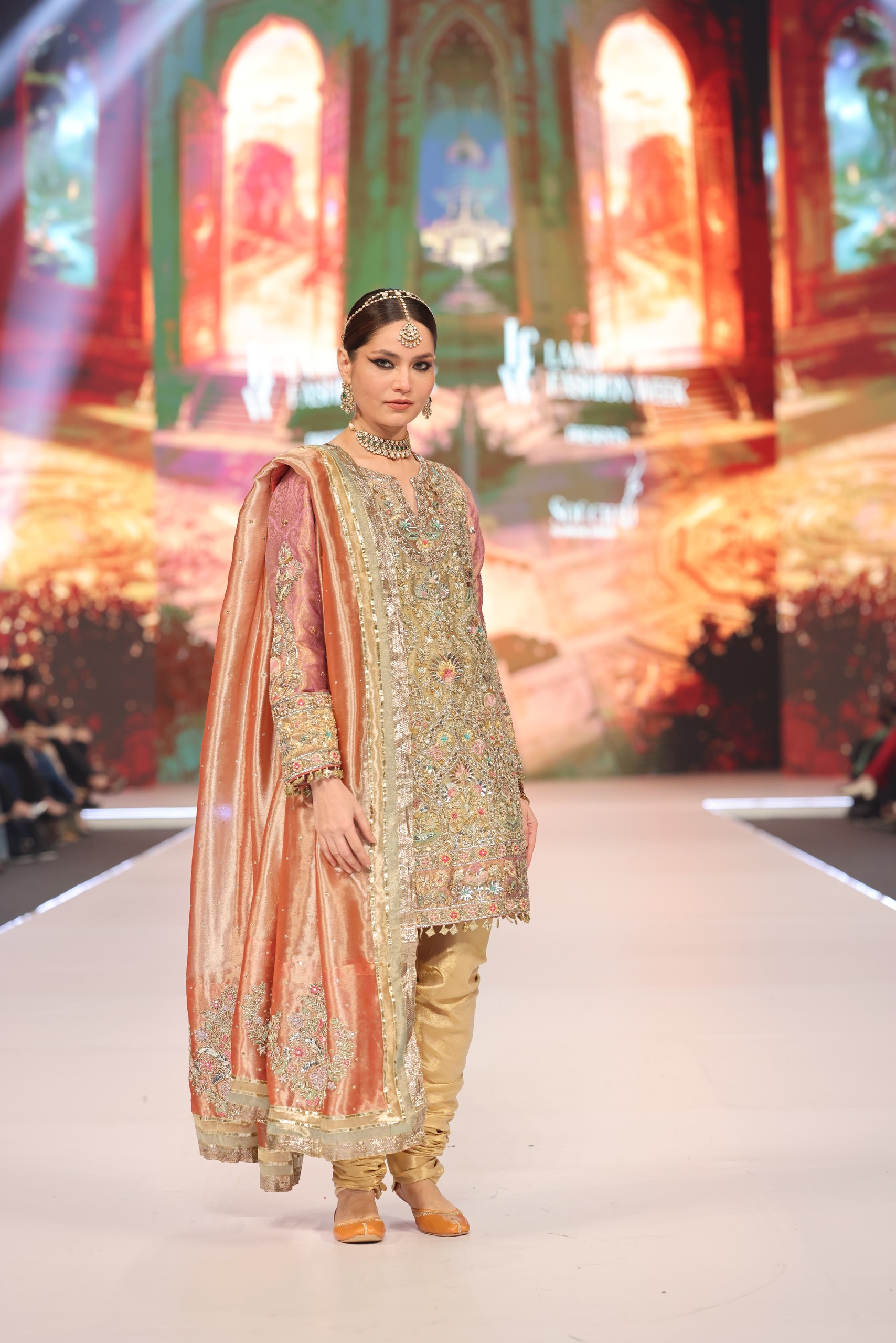
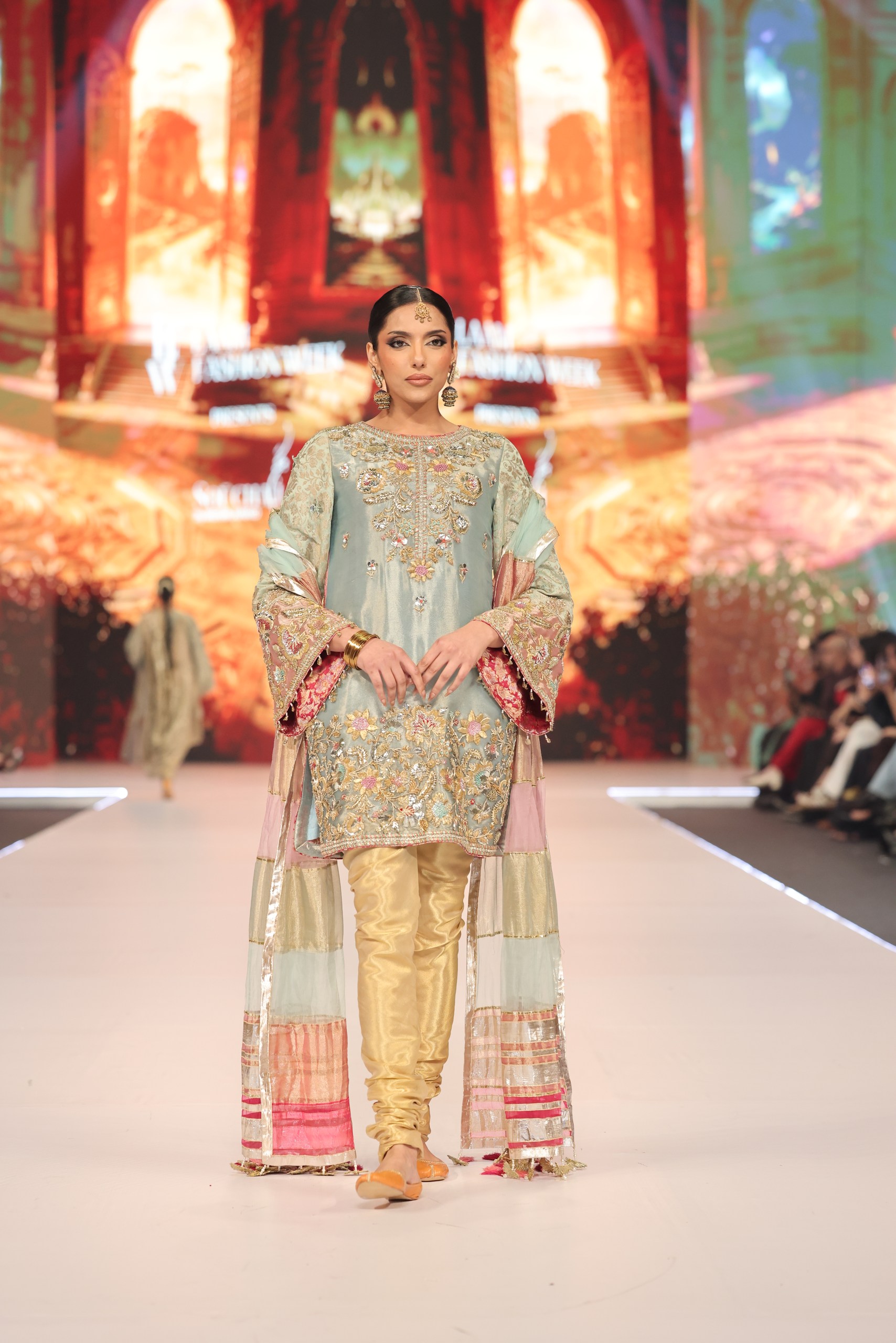
The color palette was also very pretty dominated by golds, pinks, blues and silvers. People with weddings coming up must have particularly taken note of this collection especially since the silhouettes and embellishments were all very commercially viable and traditional.
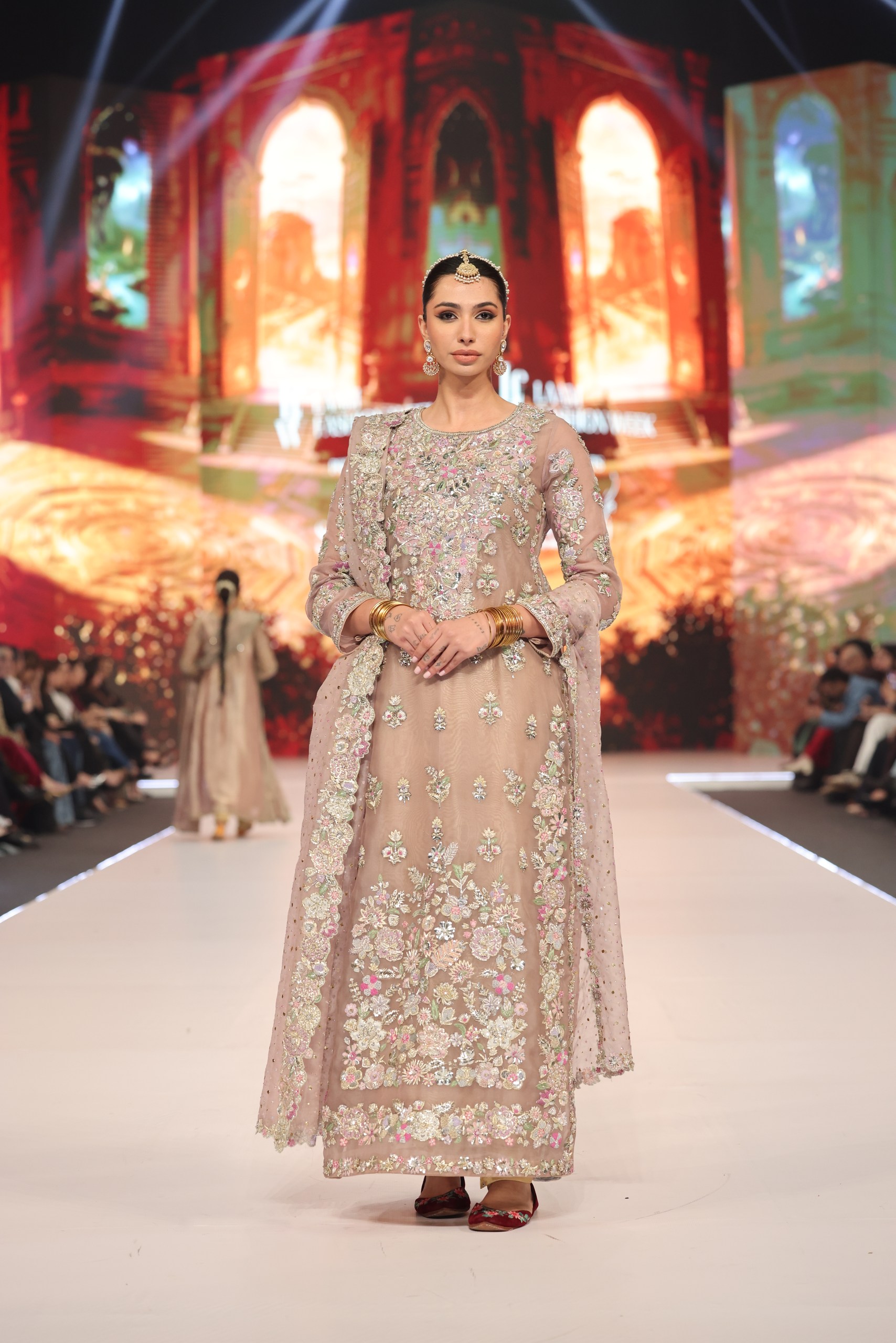
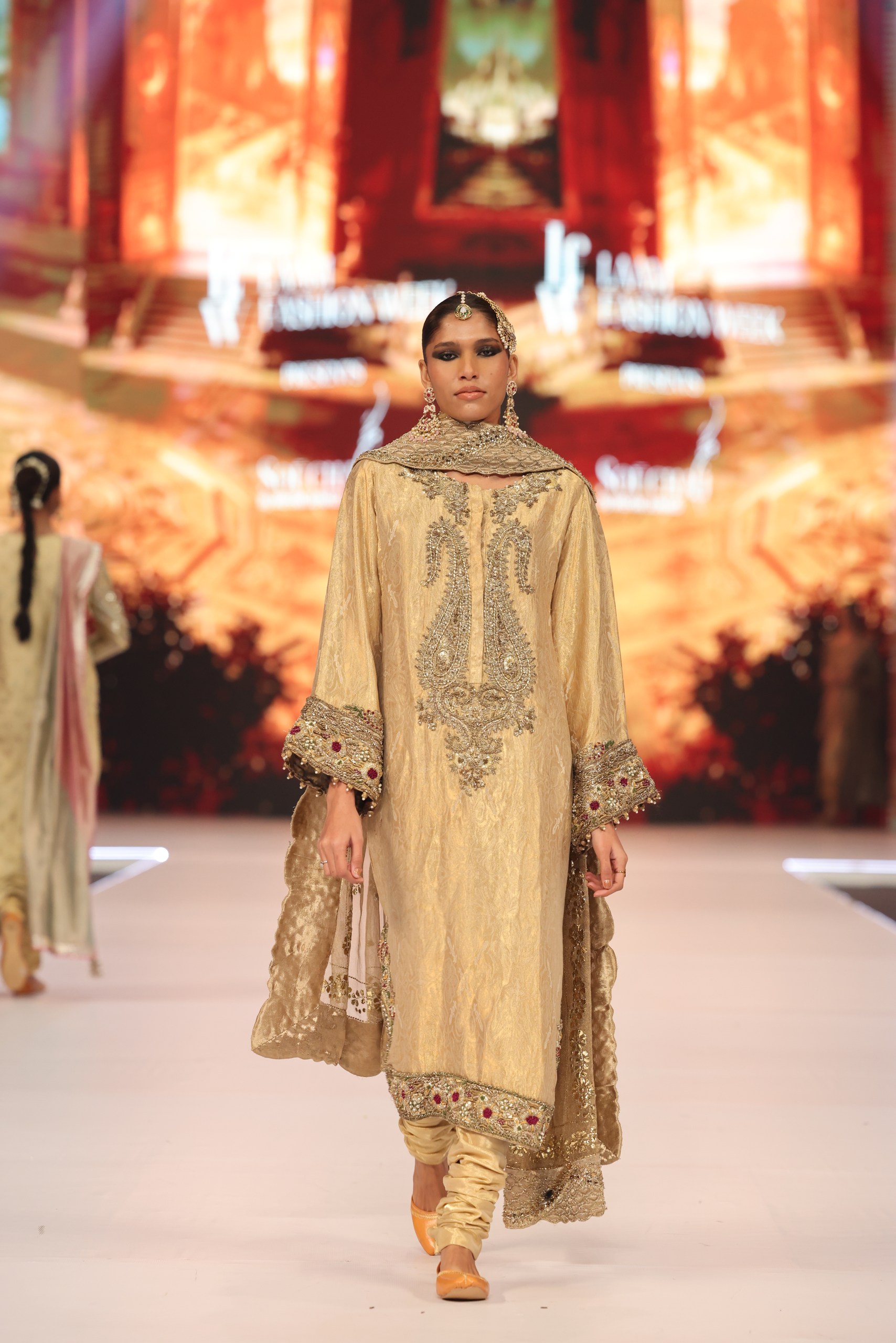
Even so, more innovations in silhouettes – angarkhas, peshwazes, assymetric kameezzes – would have made the lineup more memorable while also maintaining the brand’s focus on business.
Rici Melion
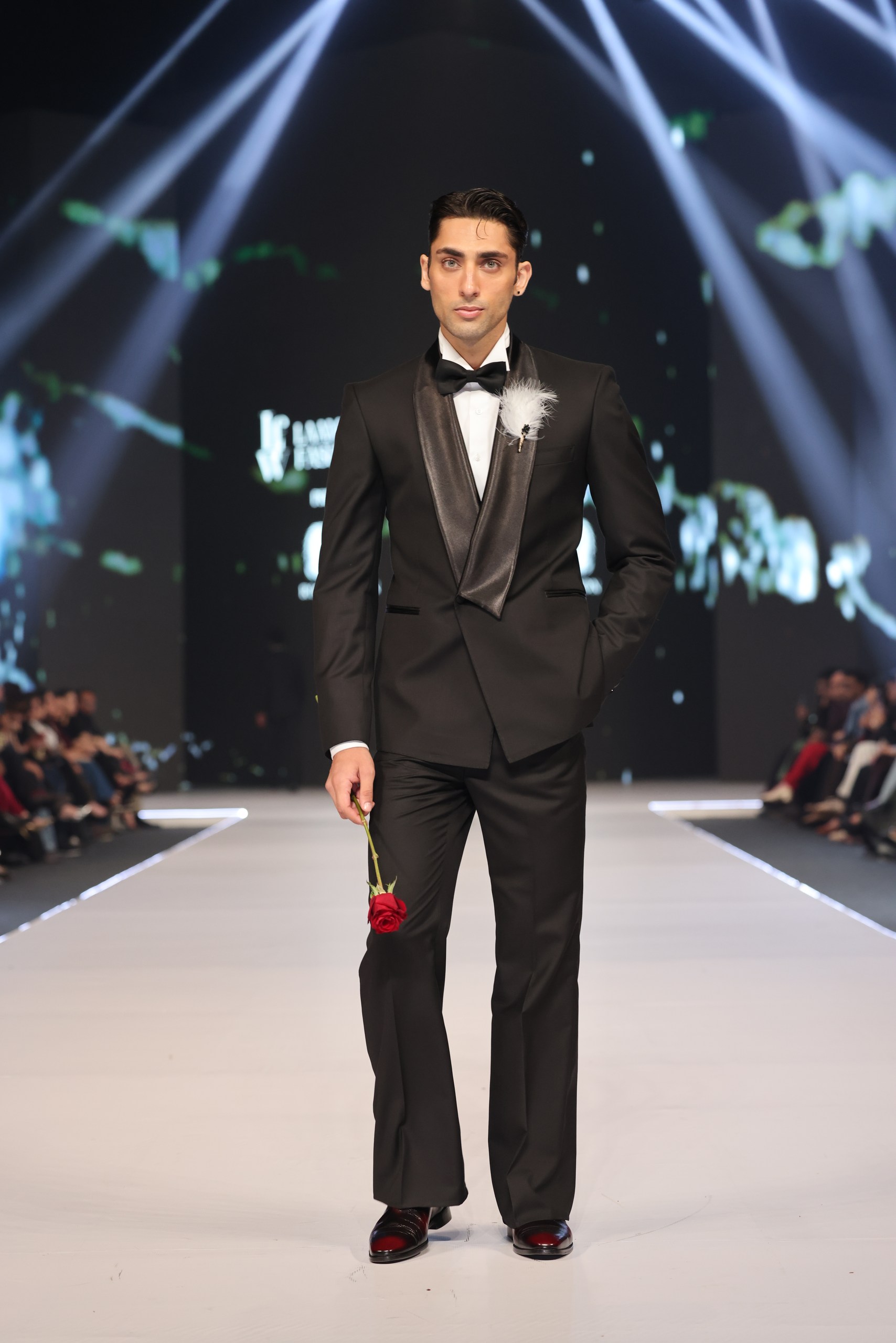
Rici Melion presenting formal suiting, accentuated by details such as embroidered lapels, velvet accents and tone-on-tone sequin work.
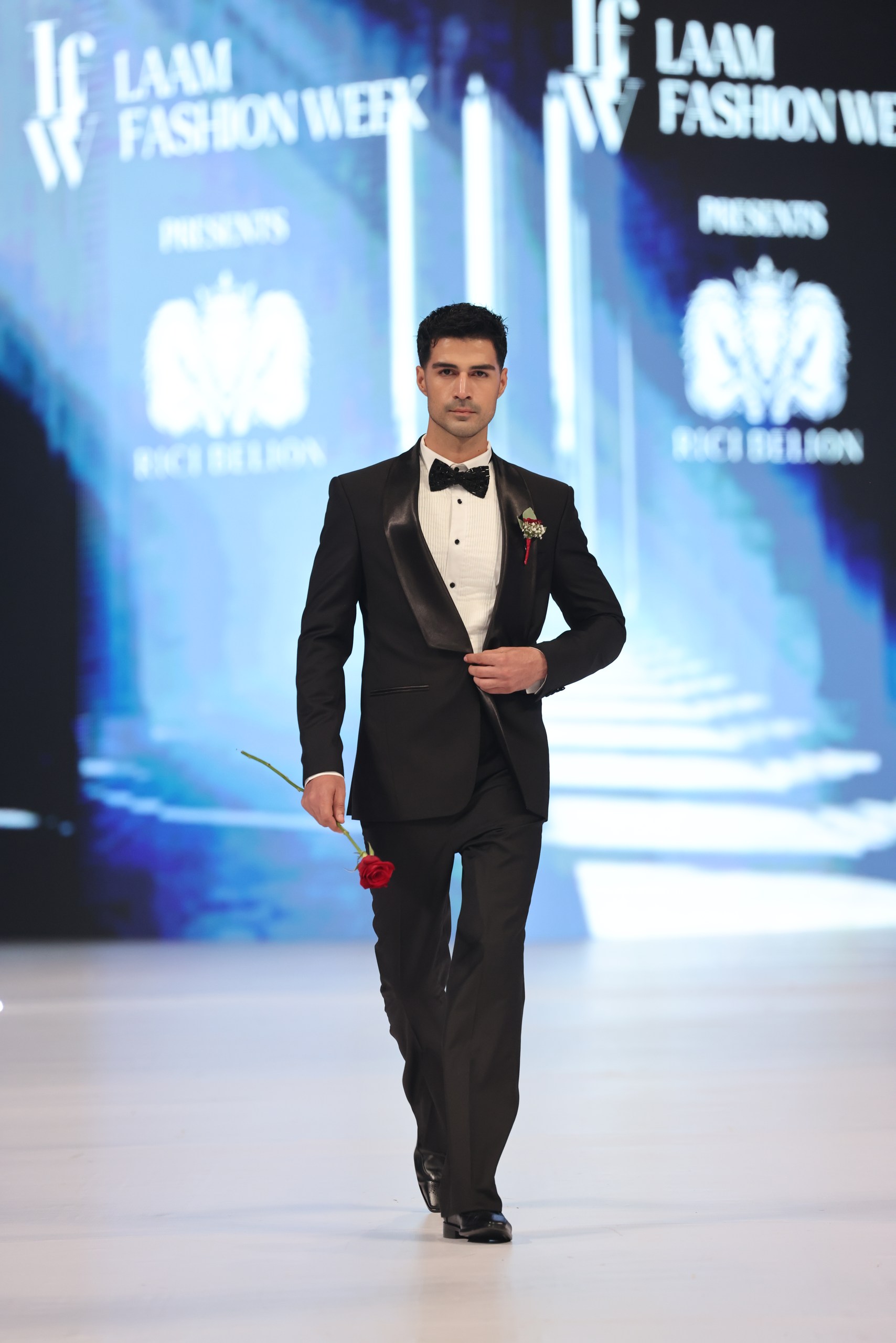
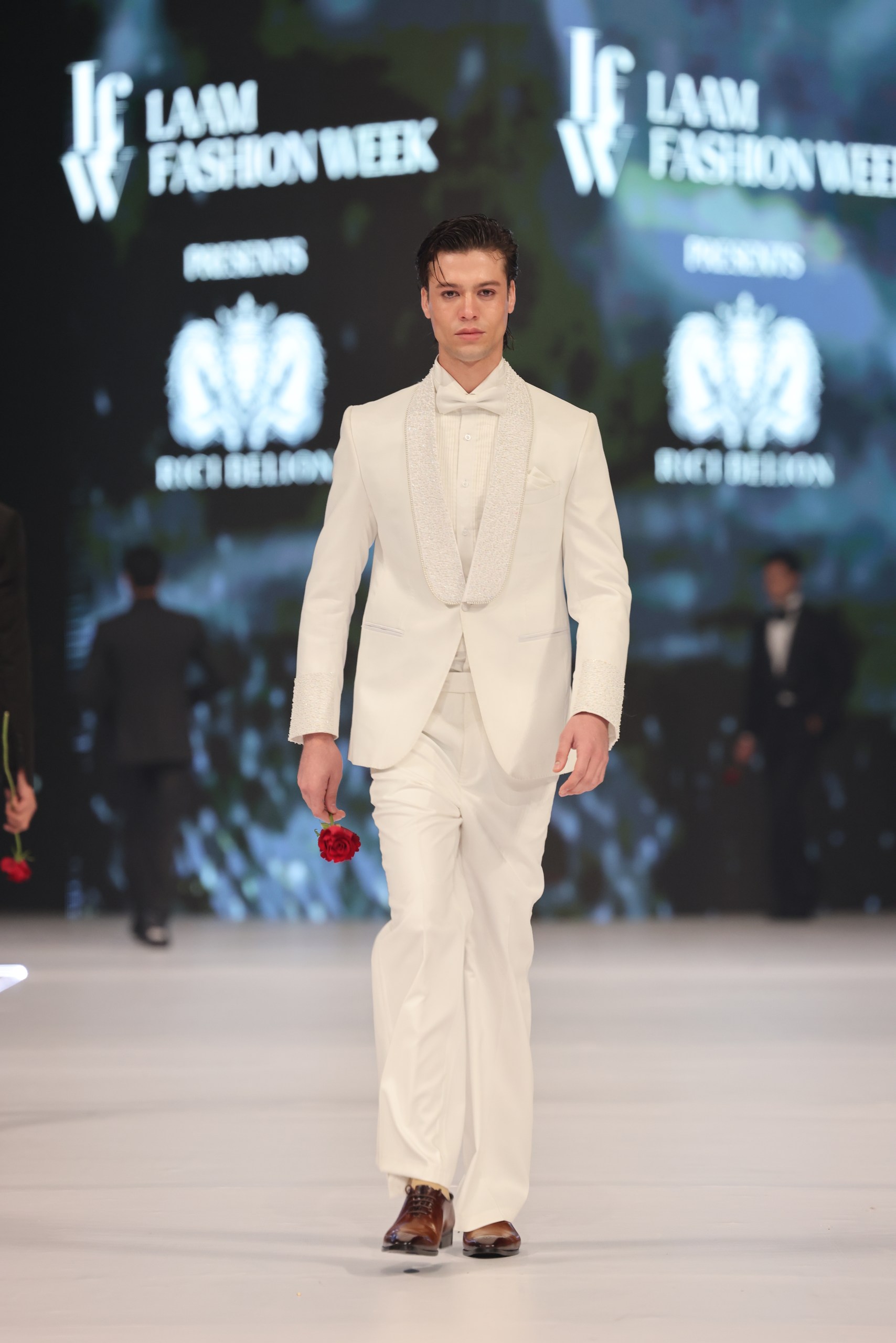
More variations in embroideries, better fitting and efforts made with styling could have helped accentuate the collection.
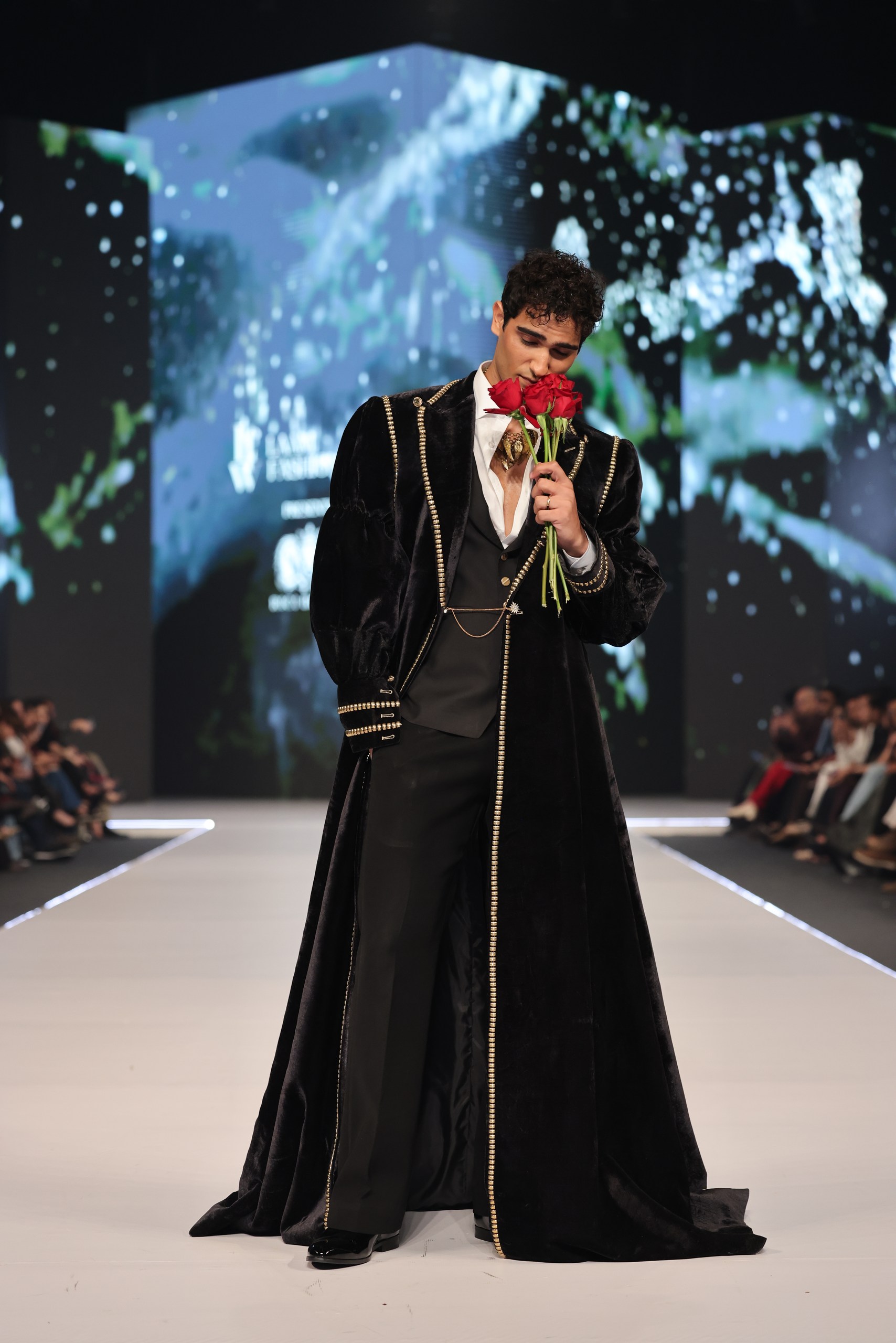
Fahad Hussayn
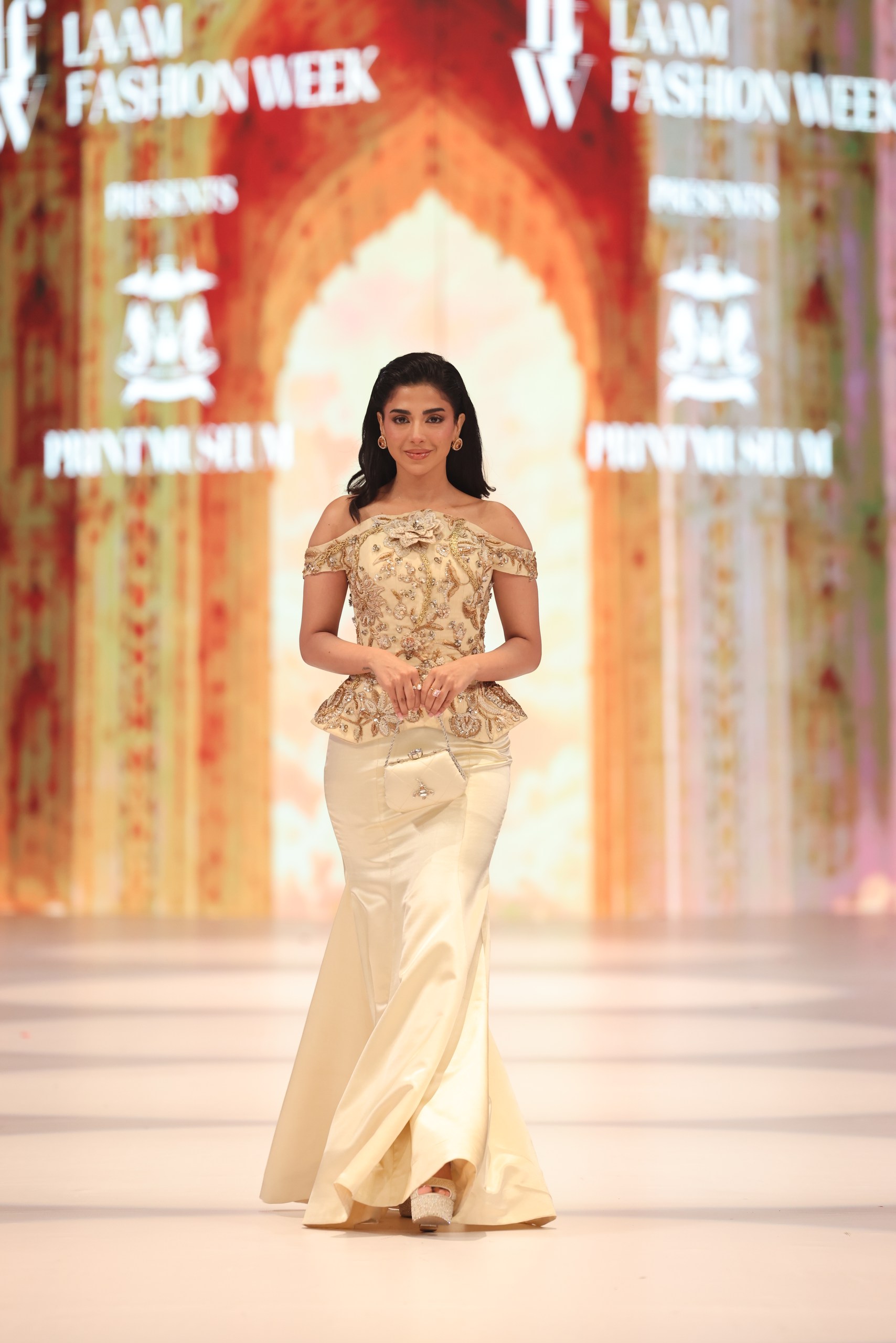
Fahad Hussayn’s ‘Atlas of Empires’ – the finale show on day three – was a grand exhibit of wedding regalia. All the silhouettes in the Pakistani wedding-wear lexicon came into the spotlight and what one particularly appreciated were the embellishments. The embroidery patterns weren’t your usual phool pattis, scattered across a canvas of luxe fabric; instead, one saw florals that were probably sketched by the designer before they were etched out in thread, borders and landscapes reminiscent of forgotten lands, trellises whirling down the length of lehngas and sequin work coming into play as well, making everything glitter magically.
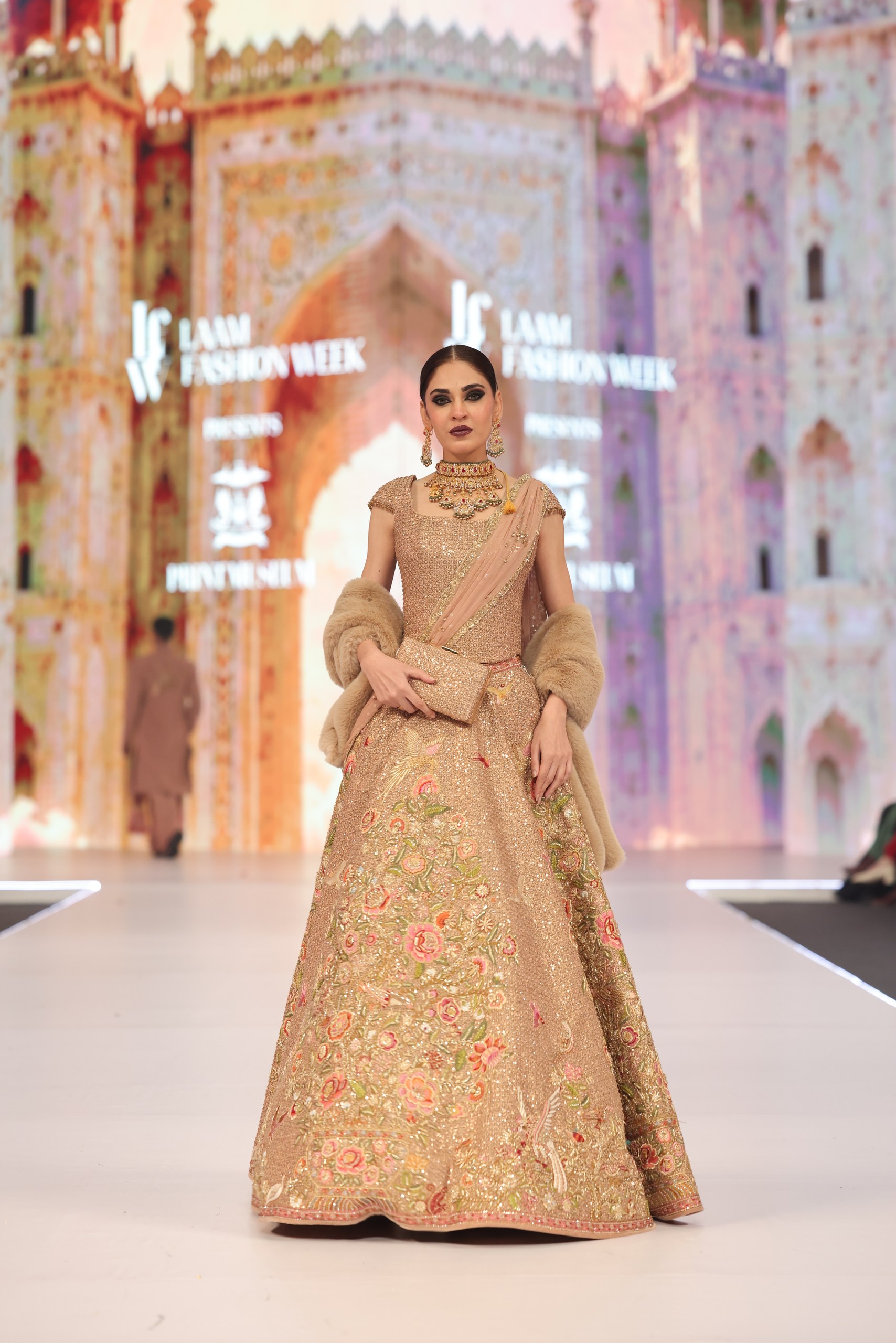
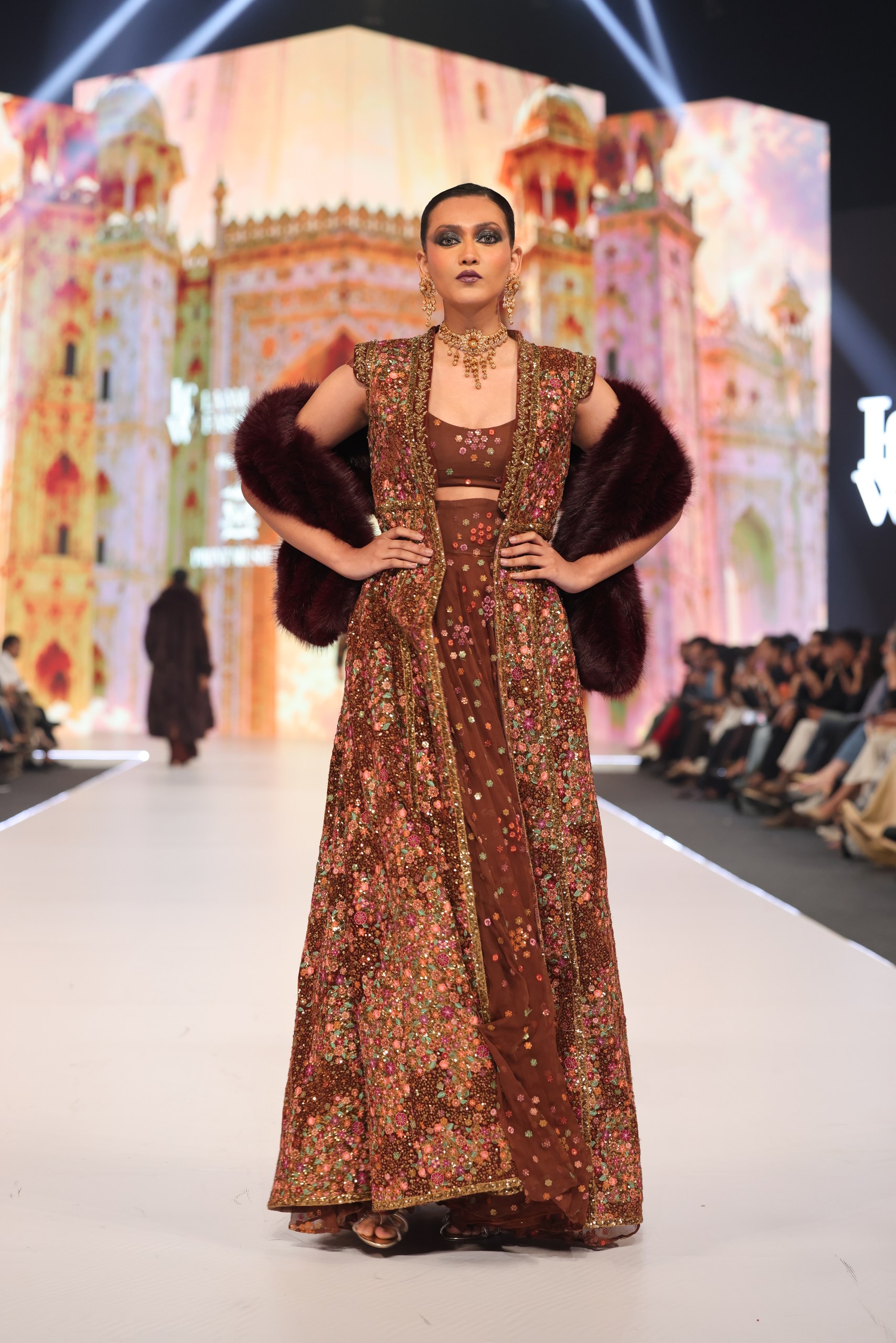
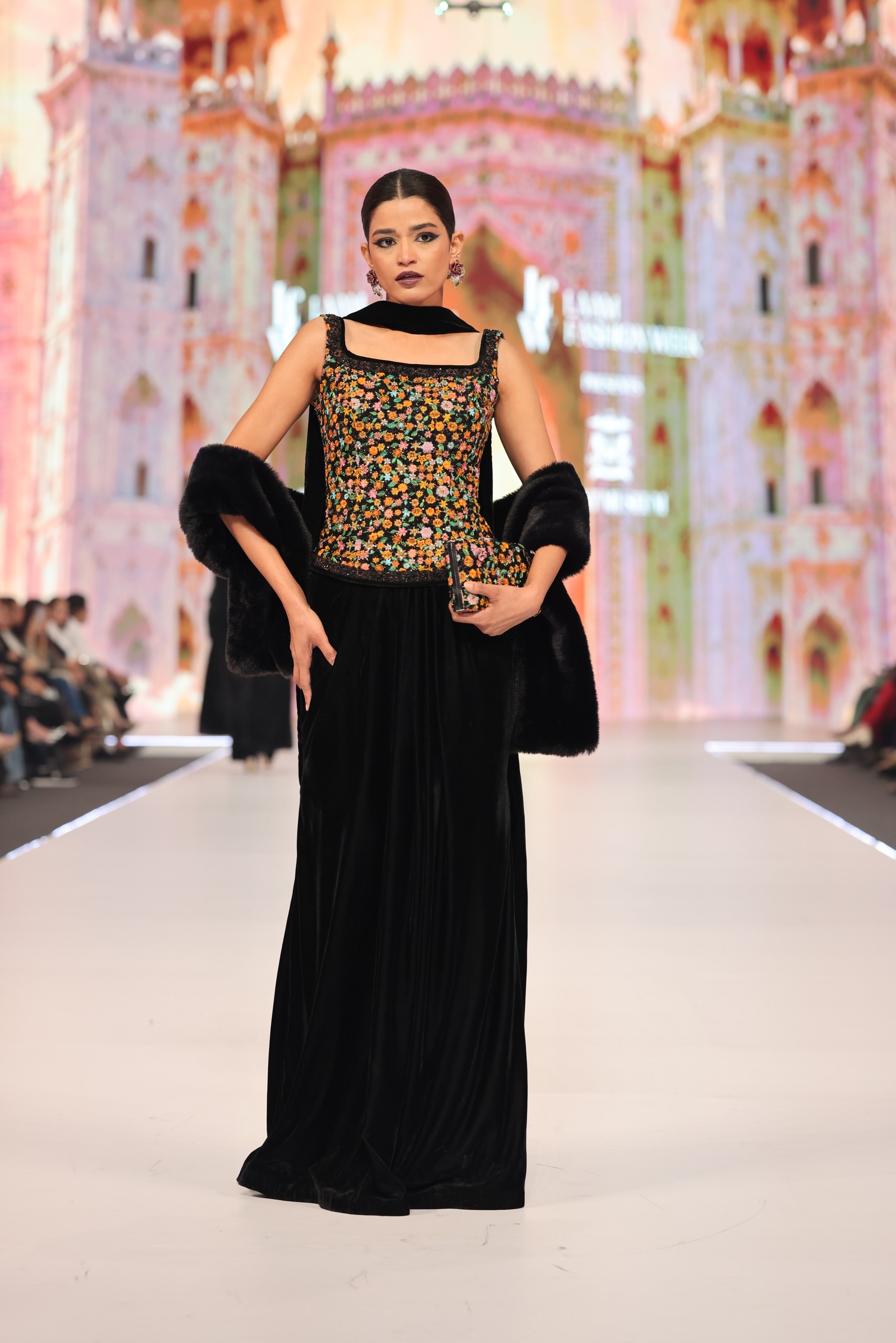
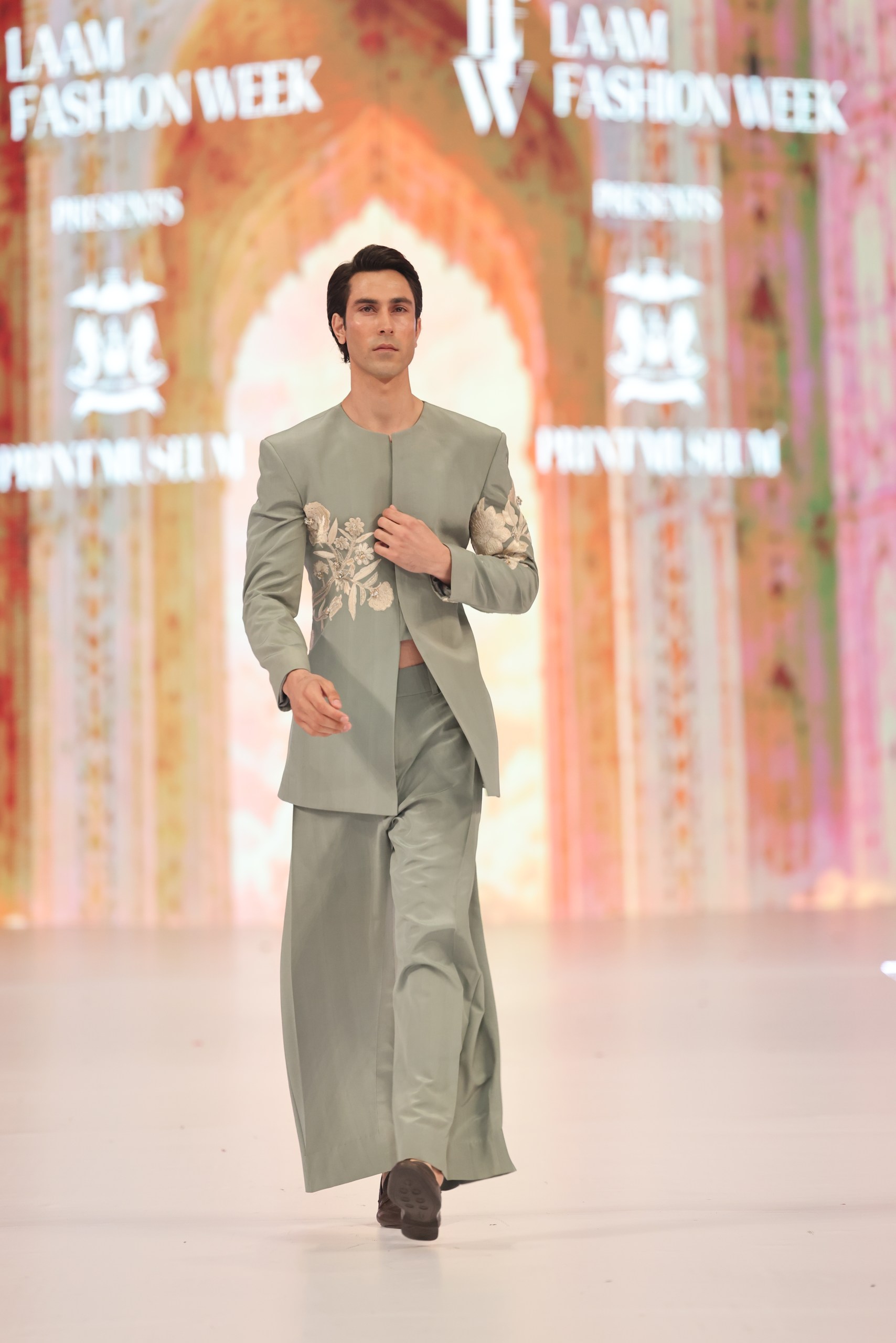
Many of the designs were reminiscent of the regal title given to the show. Two short dresses, strewn in between the wedding-wear entourage, didn’t quite fit in though. Pretty as they were, they were too anglicized for this lineup of regal, Mughal kings and queens.
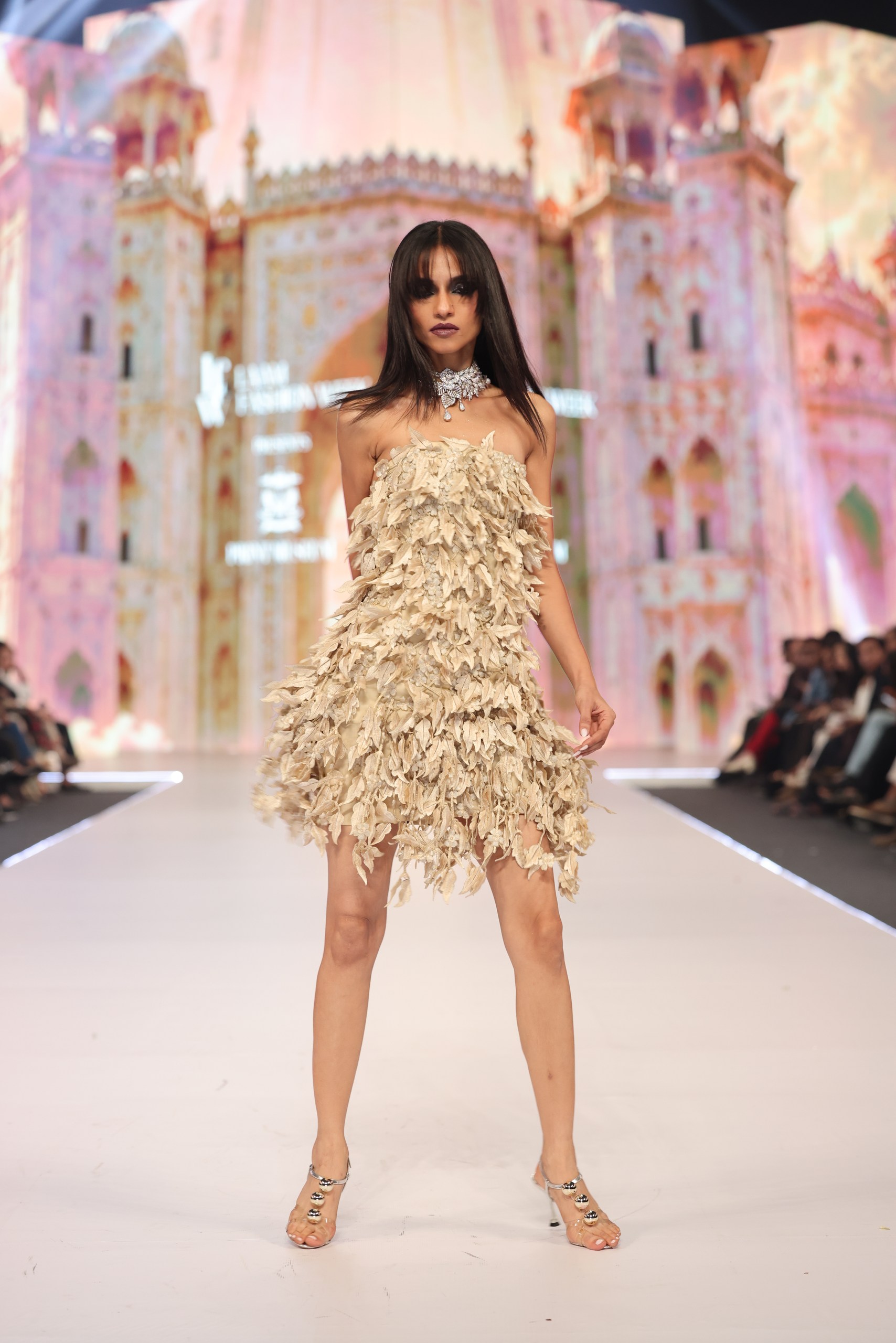
It was a fine finale, wrapping up the third day of LFW.
One wonders, though, with so many designers opting to show heavy duty wedding wear at LFW’s second edition, probably keeping in mind that the winter wedding season is right around the corner, whatever will be shown at LFW’s ‘Couture Weekend’, scheduled for this December? We’ll have that discussion when December comes around!
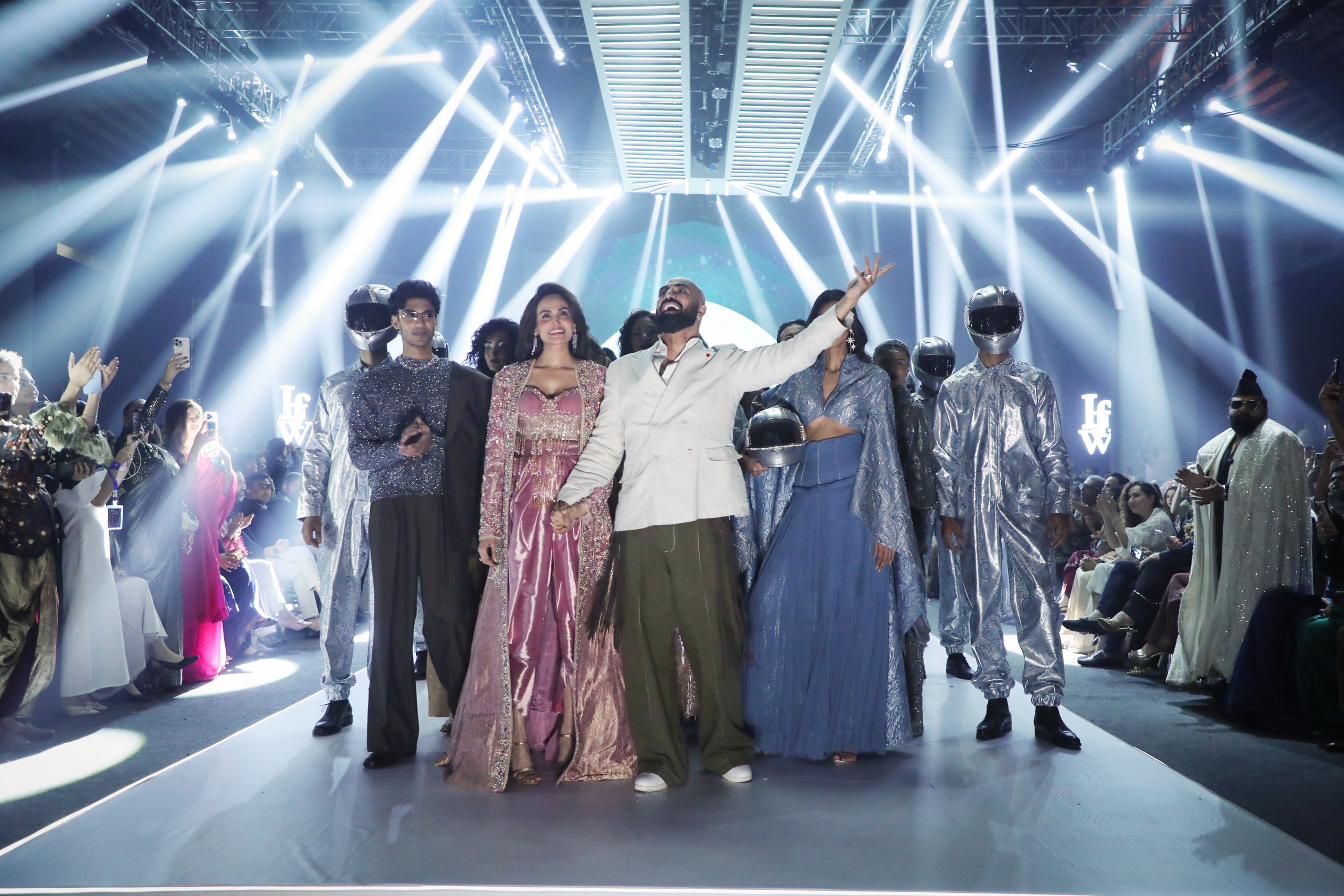
This reviewer could not attend the fourth day of LFW due to other work occupations. One did appreciate it from Instagram’s vantage point, particularly the grand, larger-than-life finale by HSY!

What do you think?