

By Maliha Rehman
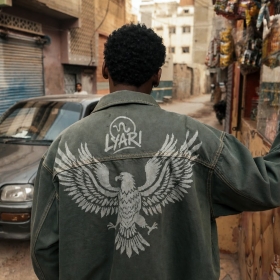
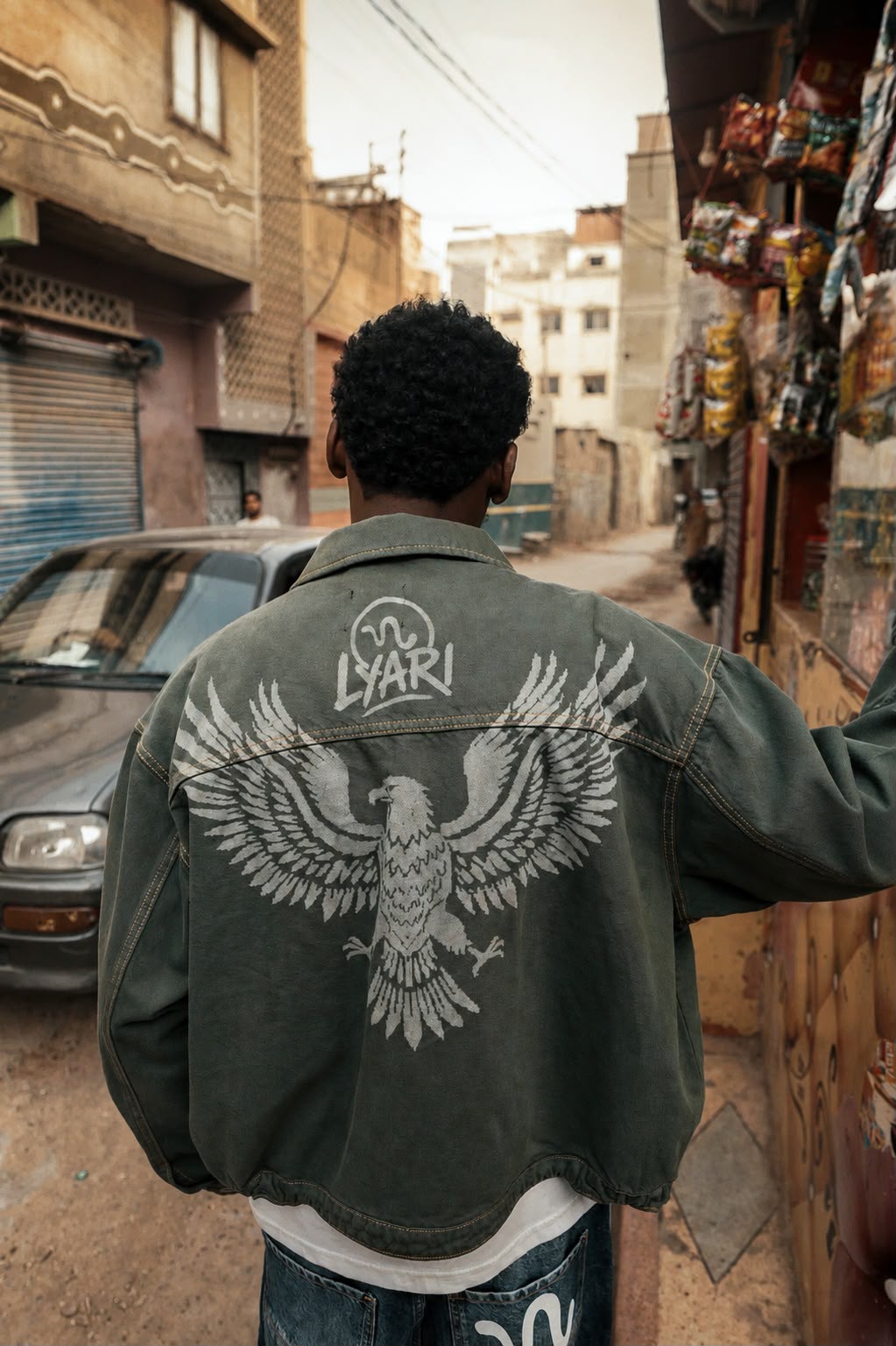
Karachi’s Lyari comes alive – edgy, colorful, individualistic. There is graffiti on sweatshirts, T-shirts with street art on them, statement jackets worked with bohemian floral embroidery. The fashion video, veering through Lyari’s streets, has been shot to the tune of a catchy rap number sung by Eva B and Lyari-based MC’s. ‘From Lyari to the world,’ declares the writing on some of the tees – and with this latest collection, streetwear brand Movement really is showing the world, a different, more authentic version of Lyari.
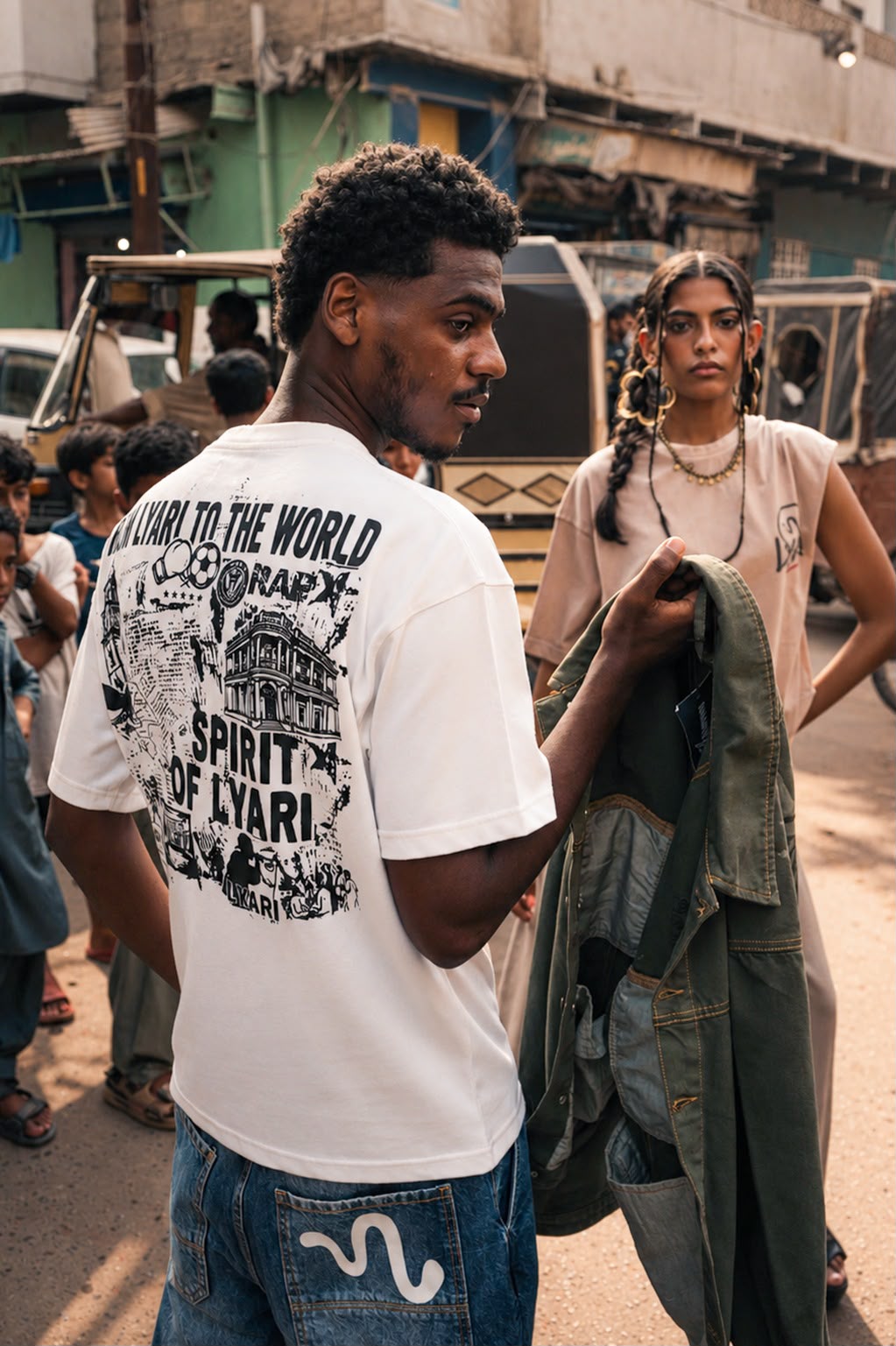
The imagery is a far cry from the violence and chaos depicted on particular mainstream media projects. Instead, you see colorful streets, art on walls, a love for sports and young, creatives paving their own distinctive paths.
“At Movement, we want every line to start off a discussion,” says the brand’s founder Abdullah Seja. This time, the discussion focused on Lyari with one of the taglines on the brand’s Instagram page stating, ‘Not the Lyari you’ve heard about.’
“Contrary to what has often been depicted on mainstream media, Lyari is not a war-torn area,” says Abdullah. “We went there and were pleasantly surprised. We saw a massive university, where students not just from Lyari but from all over come to study. There’s this one road where there are three football grounds! The girls, and not just boys, play football regularly and there are women walking on the streets with ease. You see really artistic wall graffiti; we have incorporated some of it on our shirts!”
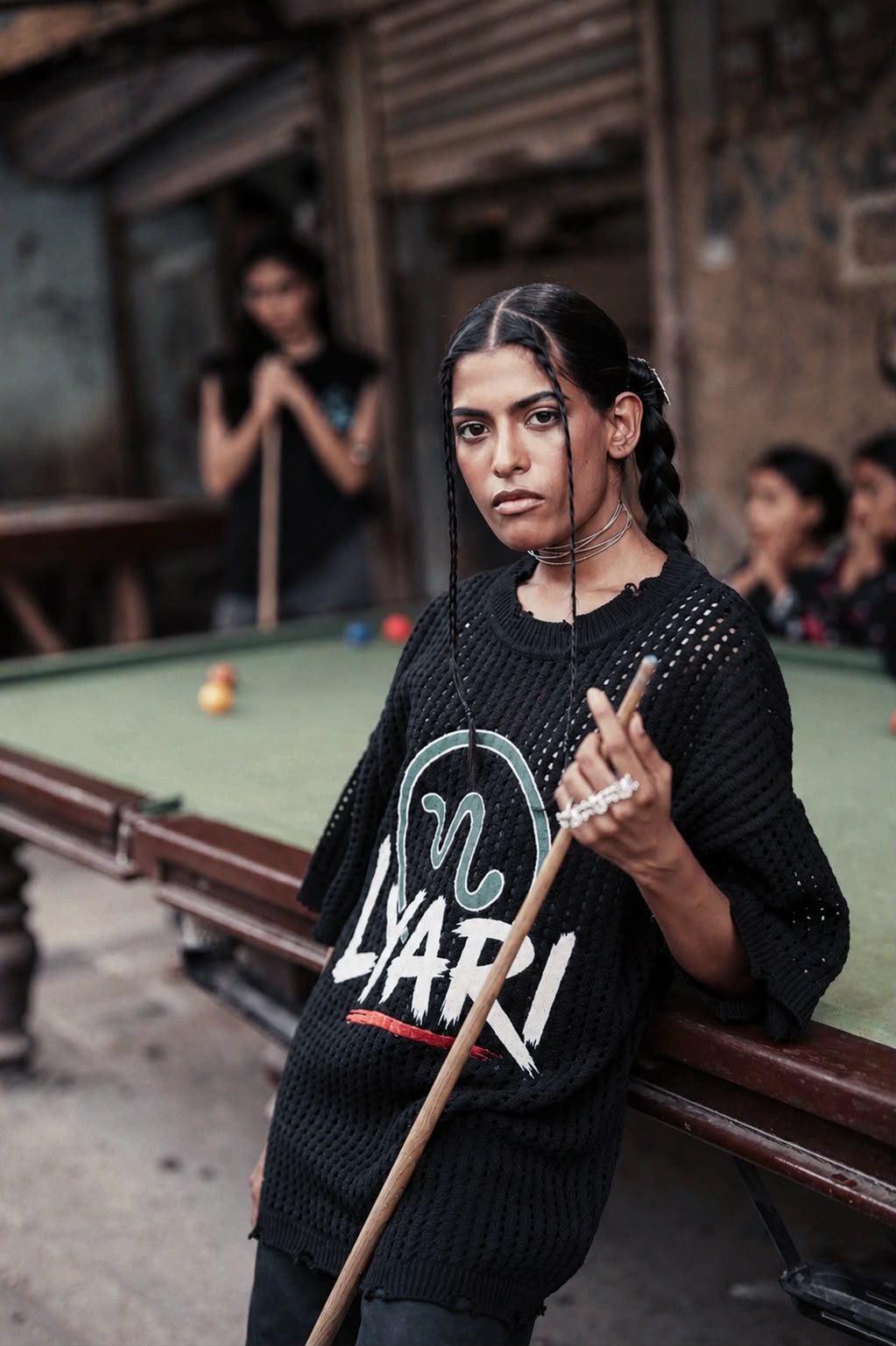
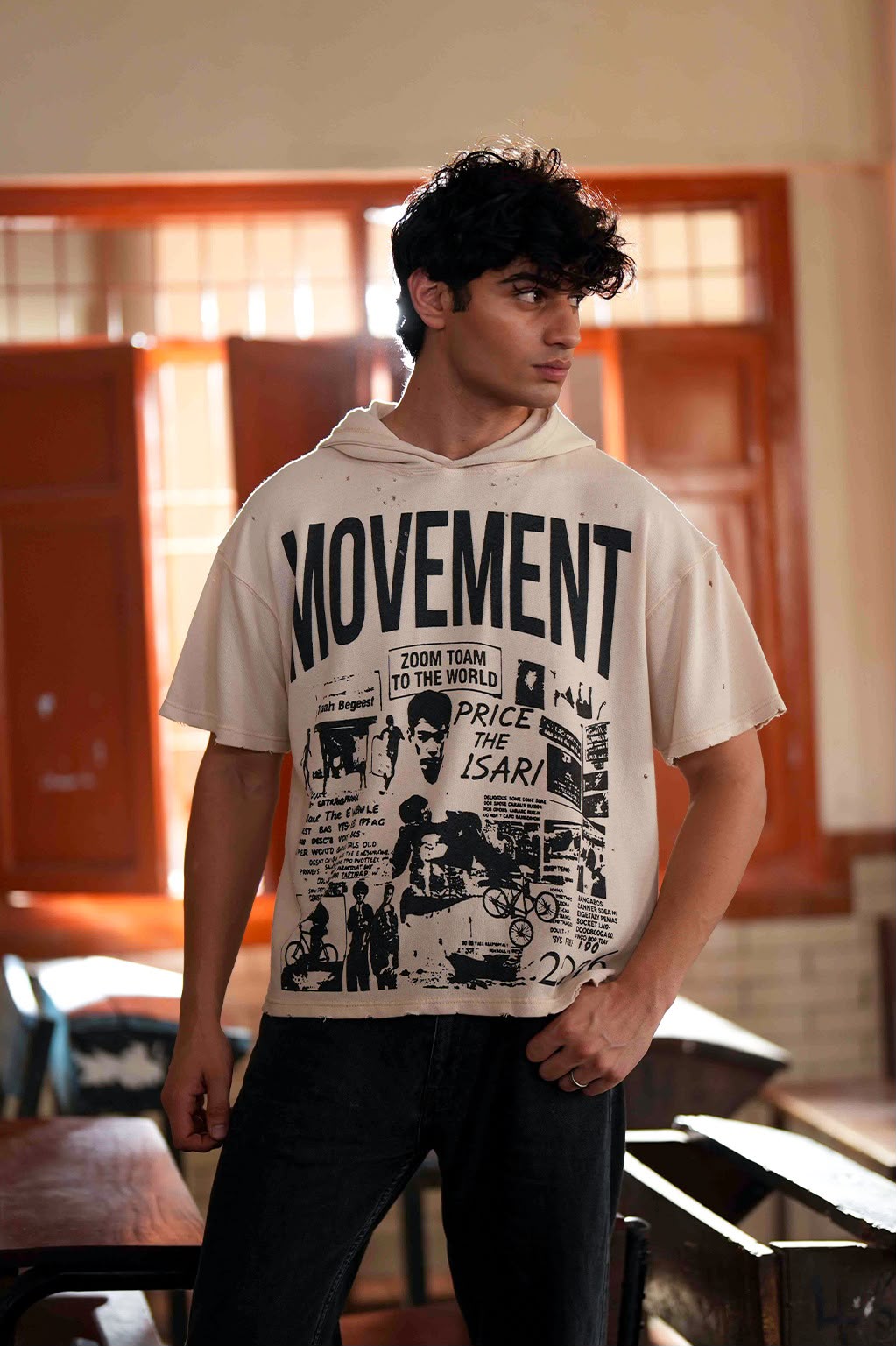
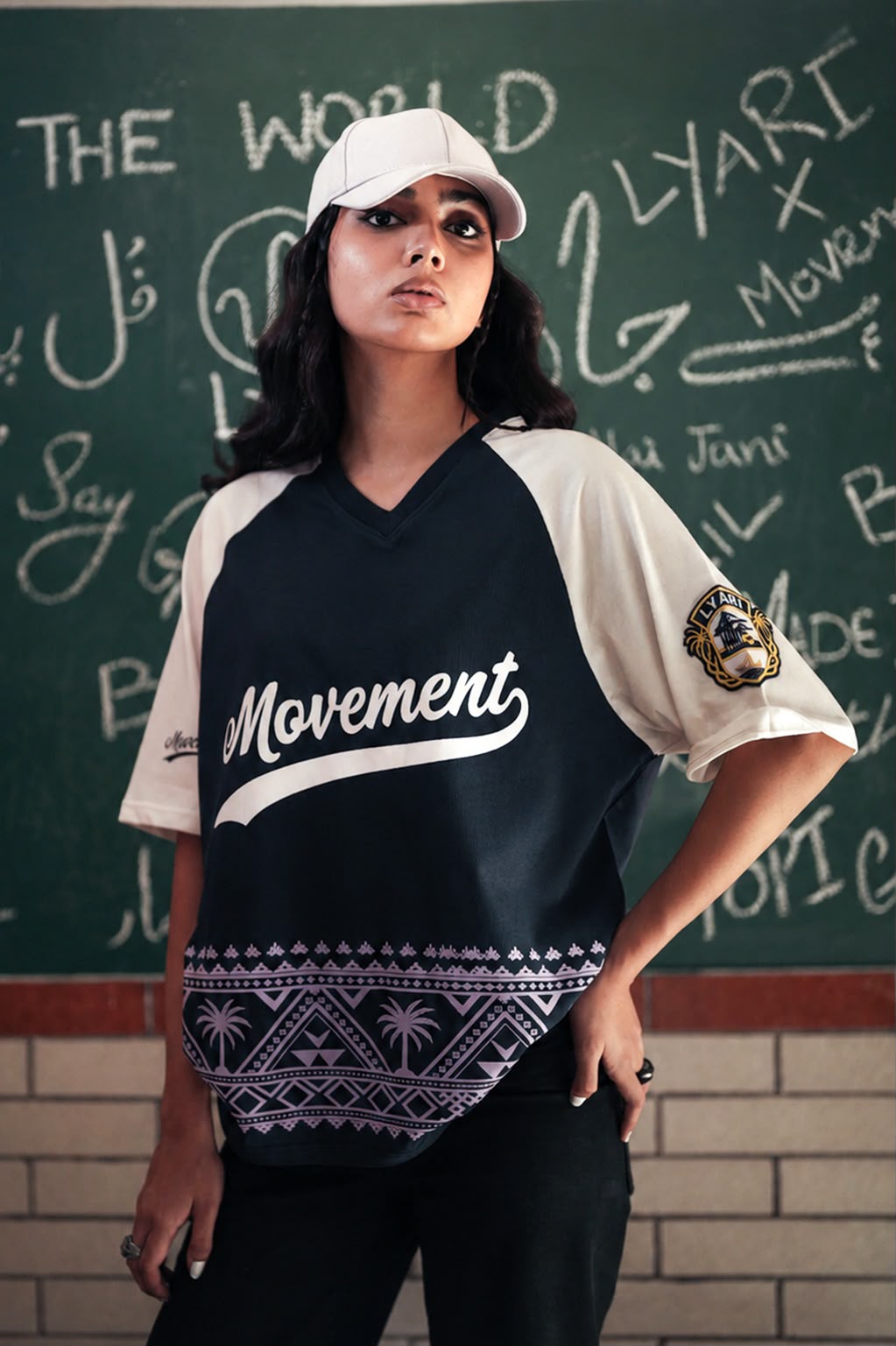
Launched in 2023, there have been several memorable Movement collections. One of them was the recent collaboration with artist Adeel uz Zafar, translating art to wearable ready-to-wear. The collaboration with cricket legend Wasim Akram was astutely launched when cricket fever was raging through the country. A cursory scroll down the brand’s Instagram feed reveals clothes dedicated to flora, fauna, making a plight against deforestation and inspiring nostalgia with ‘Retro’ imagery, among other references.
What lead to the Lyari Drop? Abdullah recalls, “It all started when my nephew – my brother Jerjees Seja’s son – Ommar Seja asked me if I had ever been to Lyari and what was it like. Ommar was studying in New York at the time and made a plan to go to Lyari with me the next time he was in Karachi. The culture we saw there was an eye-opener. It led to the creation of the Movement Lyari Drop.”
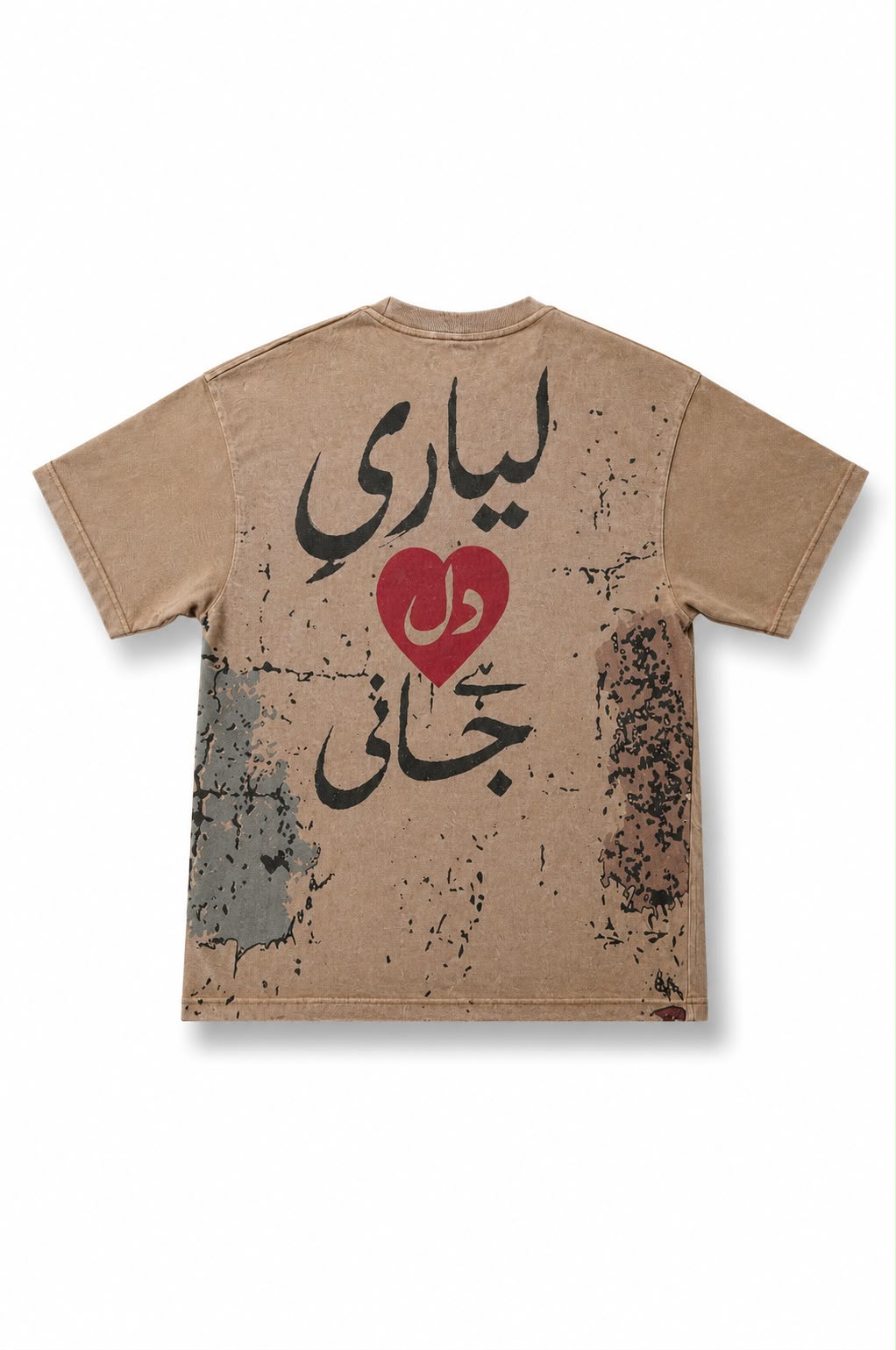
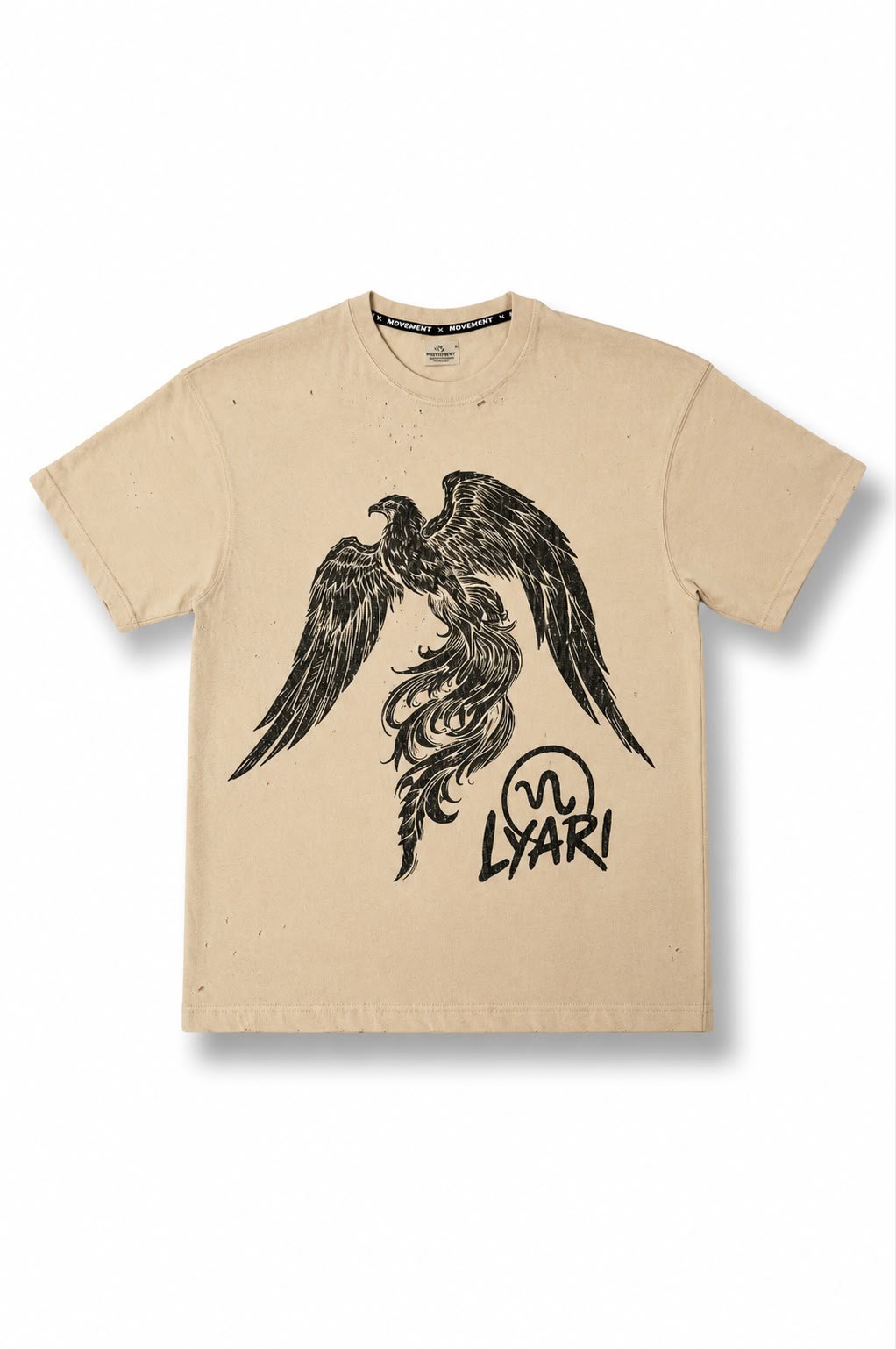
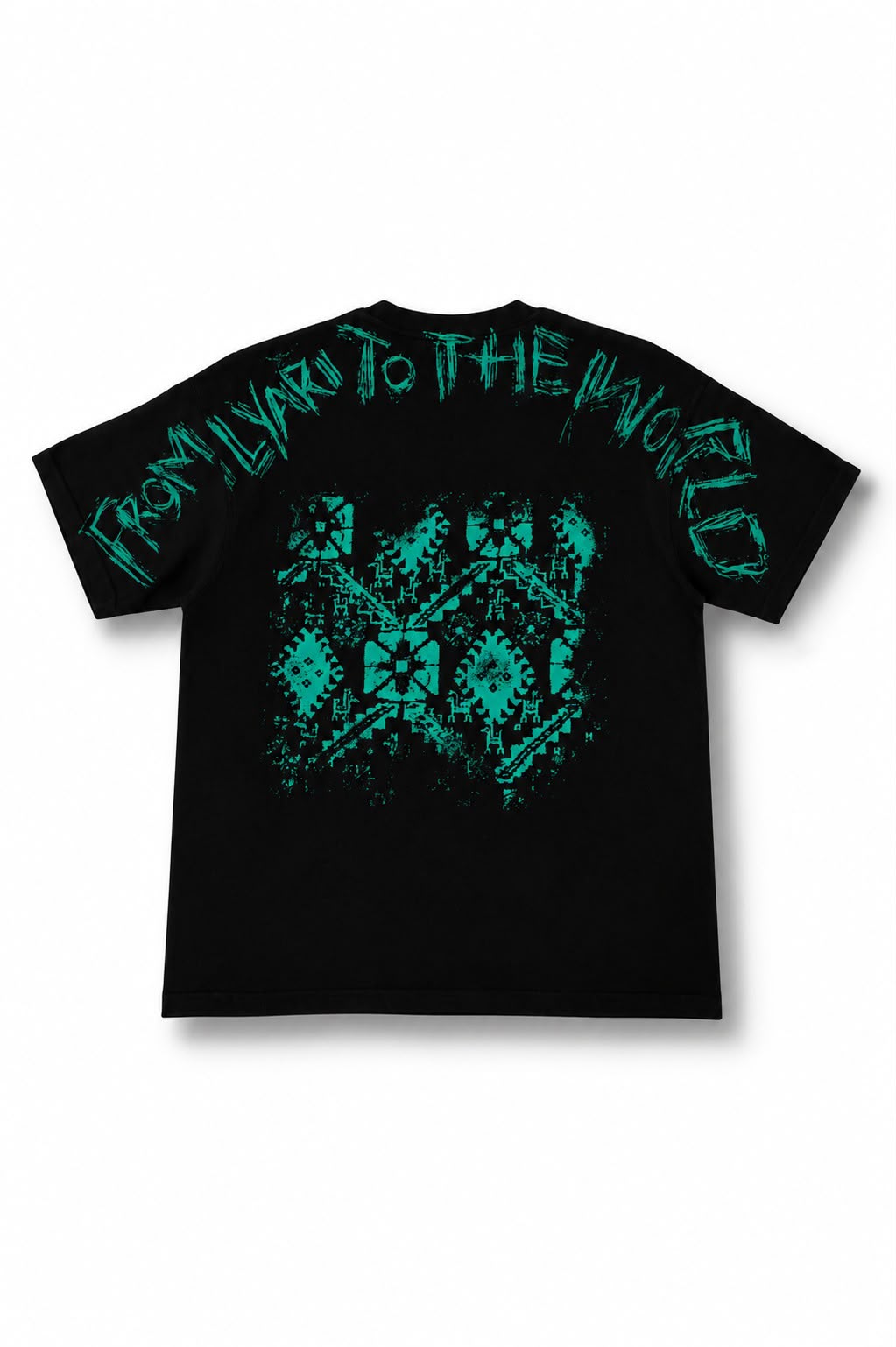
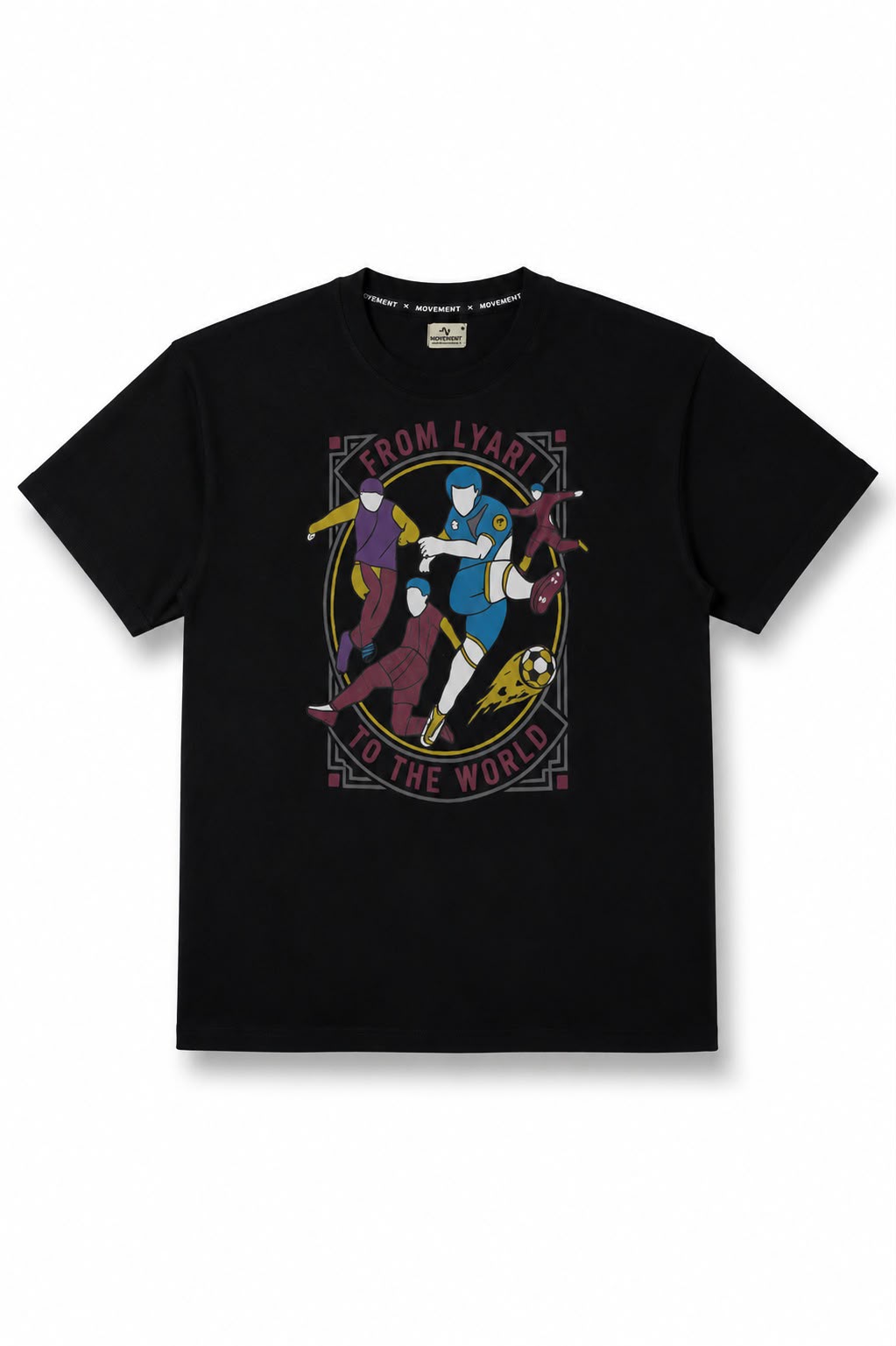
“There are T-shirts that feature artwork that we saw on the walls in Lyari. There is a statement jacket that was particularly difficult to create, with machine embroidery done on leather. We have only produced two of those jackets because they required so much effort. Once we sell those, we won’t have more.”
The decision to make limited edition apparel is something that sets Movement apart from its mass ready-to-wear counterparts. “We wanted to bring out collections that would not get reproduced once they sell out,” says Abdullah. “We even break our printing screens to ensure that we wouldn’t end up making more! People who want to buy something which is no longer available can wait for the next Drop and maybe they will like something there.”
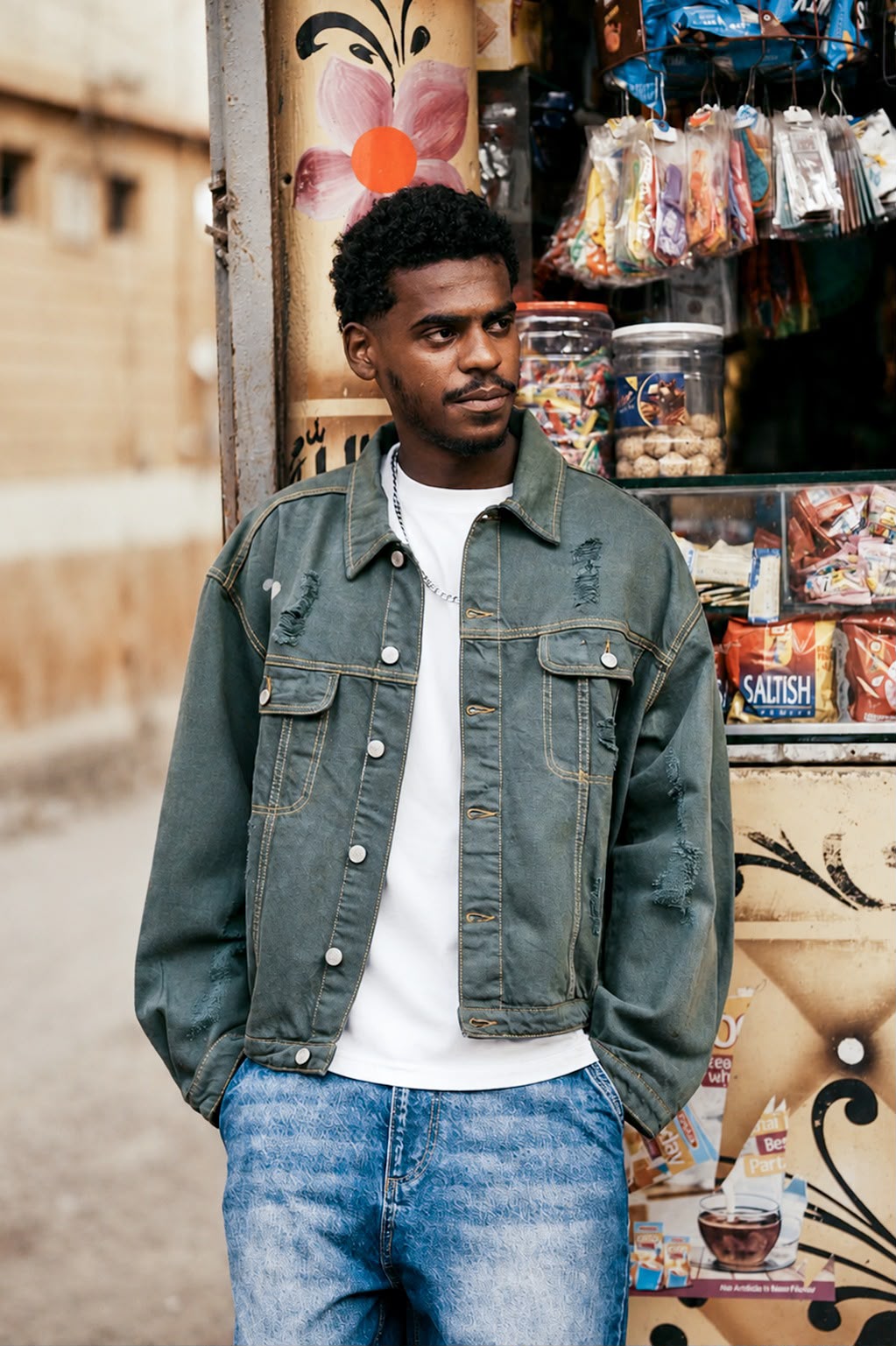
Movement’s capsule ‘Drops’ are released fairly frequently – according to Abdullah, whenever they are hit with inspiration. Describing the creative process, he says, “Usually, the inspiration is mine and then, our design team comes up with a collection. We are also very conscious about quality control. We buy yarn and get our own fabric manufactured by our production partner who have been in the textile business for years. Everything you see in a Movement design has been created from scratch.”
The attention to detail and effort has managed to set Movement apart from its contemporaries. It’s street-wear but it isn’t forgettable. The prices, accordingly, walk the middle ground; more than the usual casual-wear found on the high-street but lower than designer-wear. And every now and then, the brand dabbles with design that leans towards high-end fashion. For instance, one sweatshirt from a past collection features an embroidered peacock crafted from “100,000 stitches,” according to Abdullah.
The brand has so far been retailing online and through regular pop-ups taking place in different cities – do they plan to venture towards brick-and-mortar soon? “Yes, we do hope to set up a store, perhaps by next year,” says Abdullah. “We needed this time, to figure out our manufacturing process and business model. Online has worked very well for us since Movement’s launch in 2023.”
The brand was borne out of a simple idea, that Abdullah and his brother and nephews – Elyoun and Ommar Seja – had, while sitting in a coffee shop during a pilgrimage visit to Makkah: why not create basic street-wear with unique designs and the brand’s logo standing out on them? Movement has come a long way since those early days.
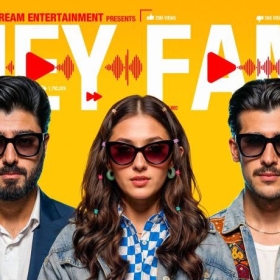
Of course, the clothing line is an additional hustle taken on by Abdullah and his brother. Jerjees Seja is the CEO of ARY Digital Network and Abdullah Seja is COO at IDream Entertainment. What does Abdullah enjoy more? “I will always love TV production the most,” he says, “but a lot of my learnings in production have also been applied to Movement. Even for TV, I come up with a concept and then I decide how to implement it. A similar process goes into Movement’s campaign shoots and videos.”
Here’s the concept that went into the recent Lyari collection and the fashion video showcasing the line, as stated on the brand’s official social media pages: “They told you stories about Lyari. We came to tell one with Lyari. This isn’t just a film, and it isn’t just a song, it’s a tribute to the streets that raise legends, the music that never stopped playing, the football that united generations, and the boxing that built champions …”
It’s a statement and a collection designed to start off conversations. Or rather, as the name implies, initiate a ‘movement’.
What do you think?