



By Maliha Rehman
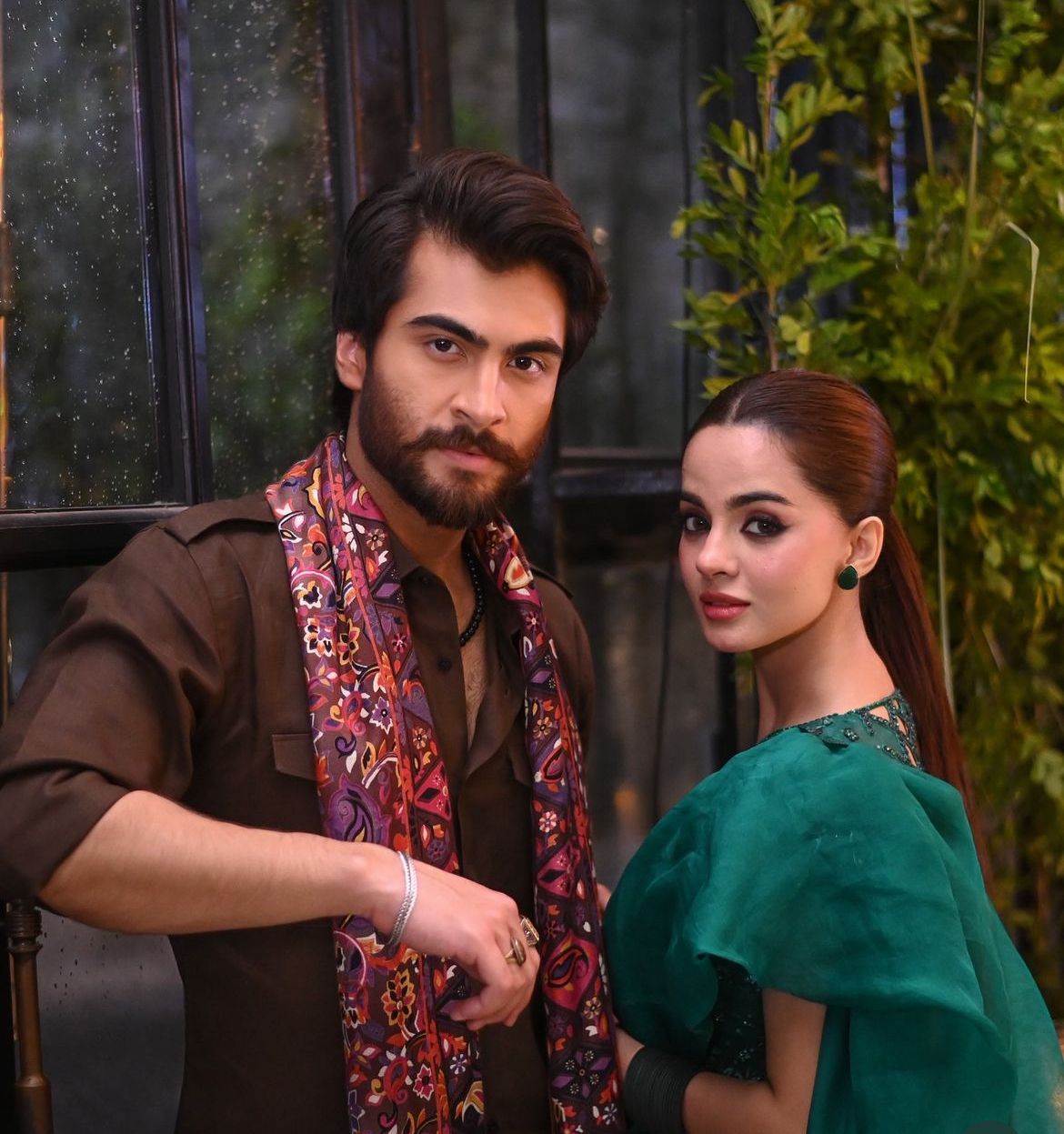
It’s a happy ending for Tabrez and Minsa in Abdullah Kadwani and Asad Qureshi’s ‘Ishq Hua’, which was airing on the Geo Entertainment channel.
And it’s a happy time for the TV industry when concise storytelling is being pushed forward in a number of dramas. Standing apart from the gargantuan 50-episode long sagas are dramas that are following a shorter format, extending for about 10 odd episodes. Ishq Hua, for instance, lasted nine episodes. It was refreshing and a harbinger of a new genre of TV dramas.
Nine episodes, it turns out, can be sufficient for the narration of a story, complete with angst, romance, action and even a love song or two! You can fall in love with the lead pair, journey with them for a short while, hate the villain and sigh contentedly over the happy ending a few episodes later.
And when this happy ending comes after some sweet doses of romance and a few action-packed, bloodied sequences, the audience particularly gets hooked.
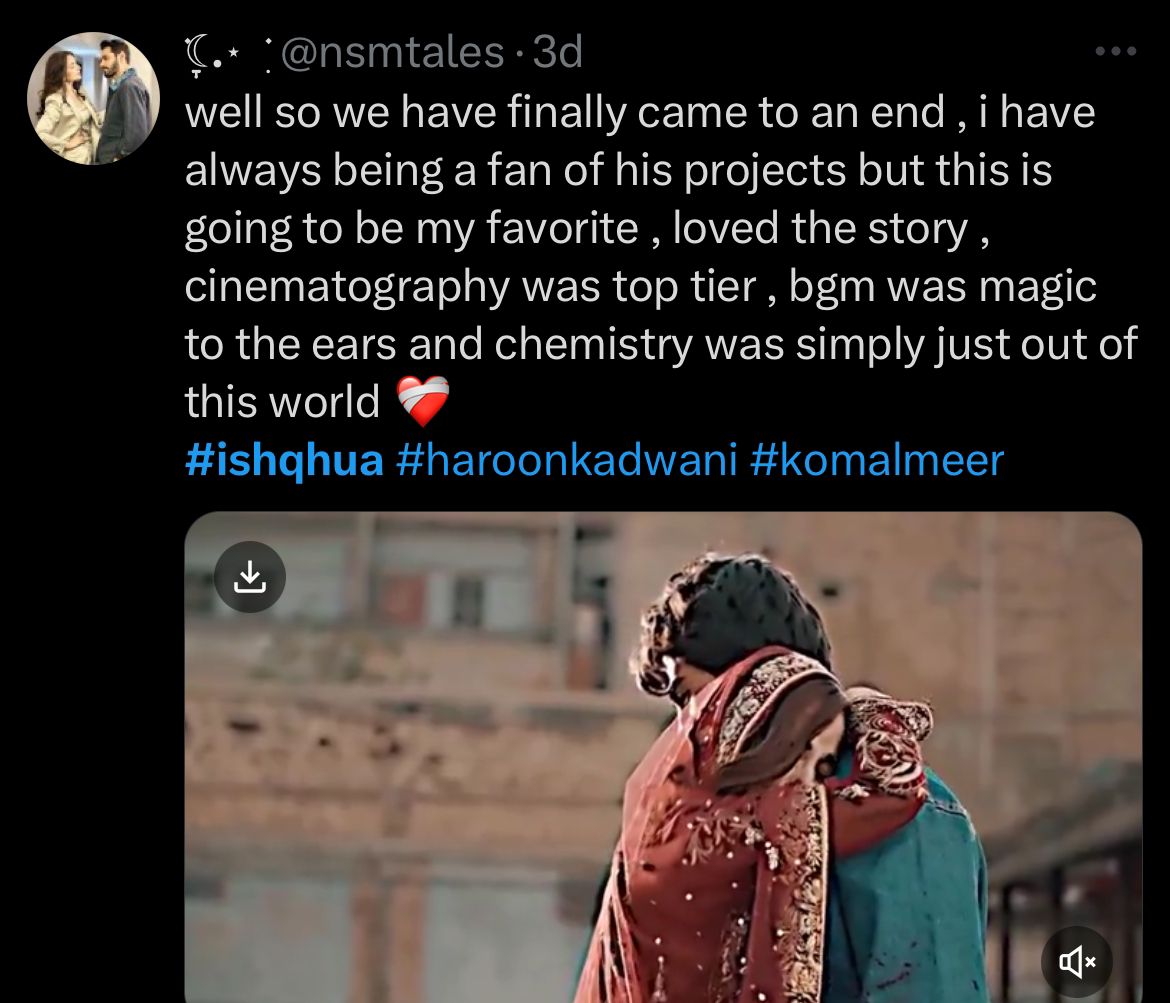
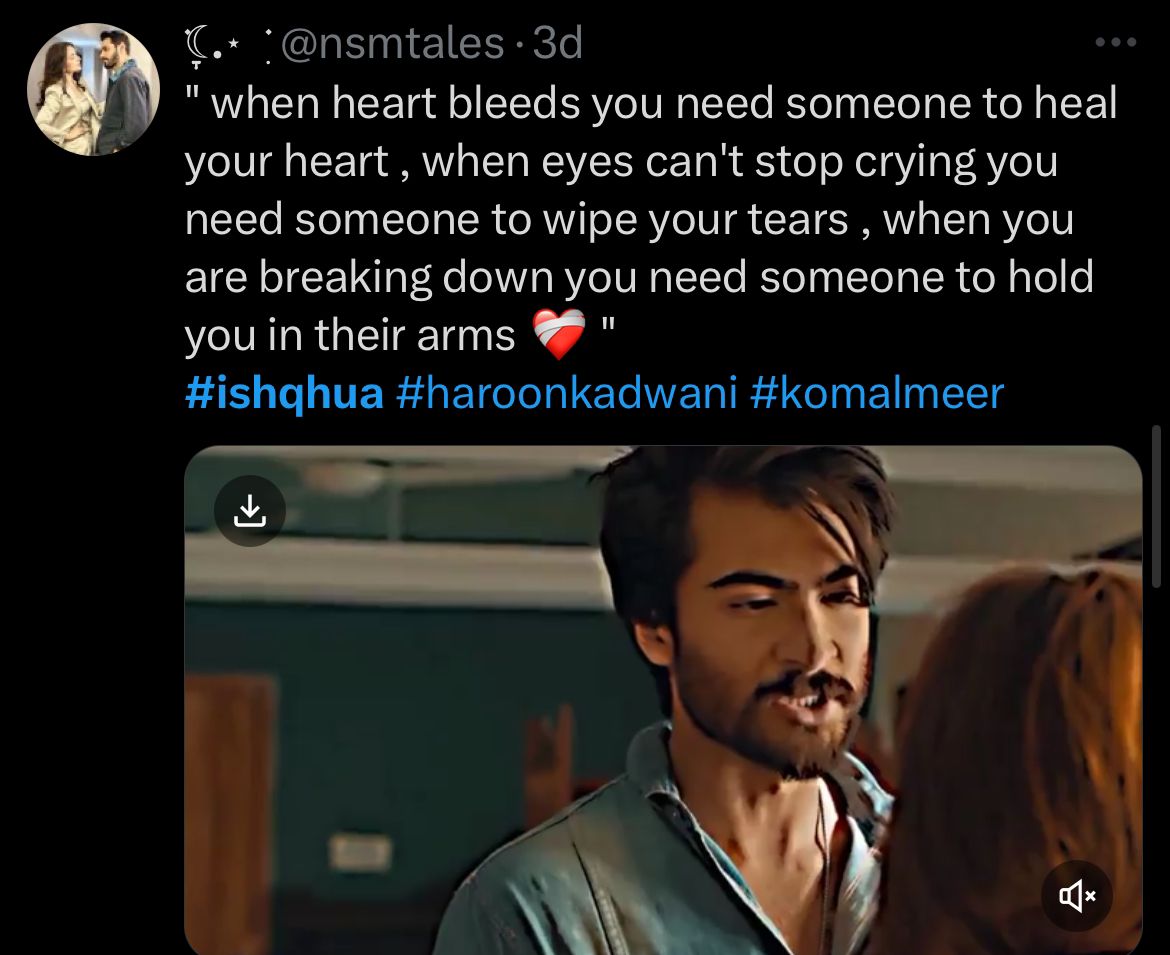
On X, the commentaries have been enthusiastic and detailed:

But what made Ishq Hua work? It was a mix of different factors.
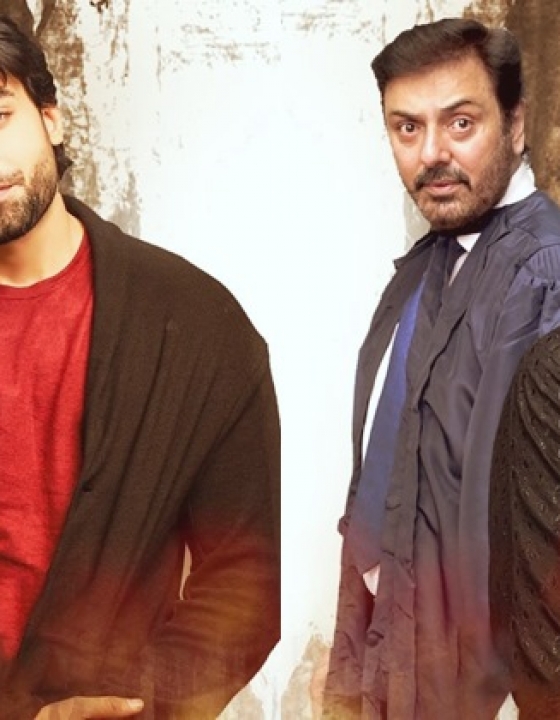
For one, the drama featured an astute selection of actors. Haroon Kadwani epitomized the street-smart young ruffian who doesn’t believe in something as nonsensical as love – until he does fall in love. The actor has come a long way, honing his skills with role after role, and he is very believable as the solemn boy whose face breaks into a wry half smile when he sees the girl that he loves. Komal Meer is perfect as the female lead, Disney princess-like, a damsel in distress with the occasional sharp tongue and a pure heart. Sohail Sameer is the nemesis in the romance – the murderous, immoral, heartless Bahaar who is intent on marrying Minsa, aka Komal Meer. The actor shines in the role, striding about menacingly, threatening people, murdering with a vengeance – it’s a pity that this veteran’s talent is often wasted in forgettable, cookie-cutter roles of fathers and uncles.
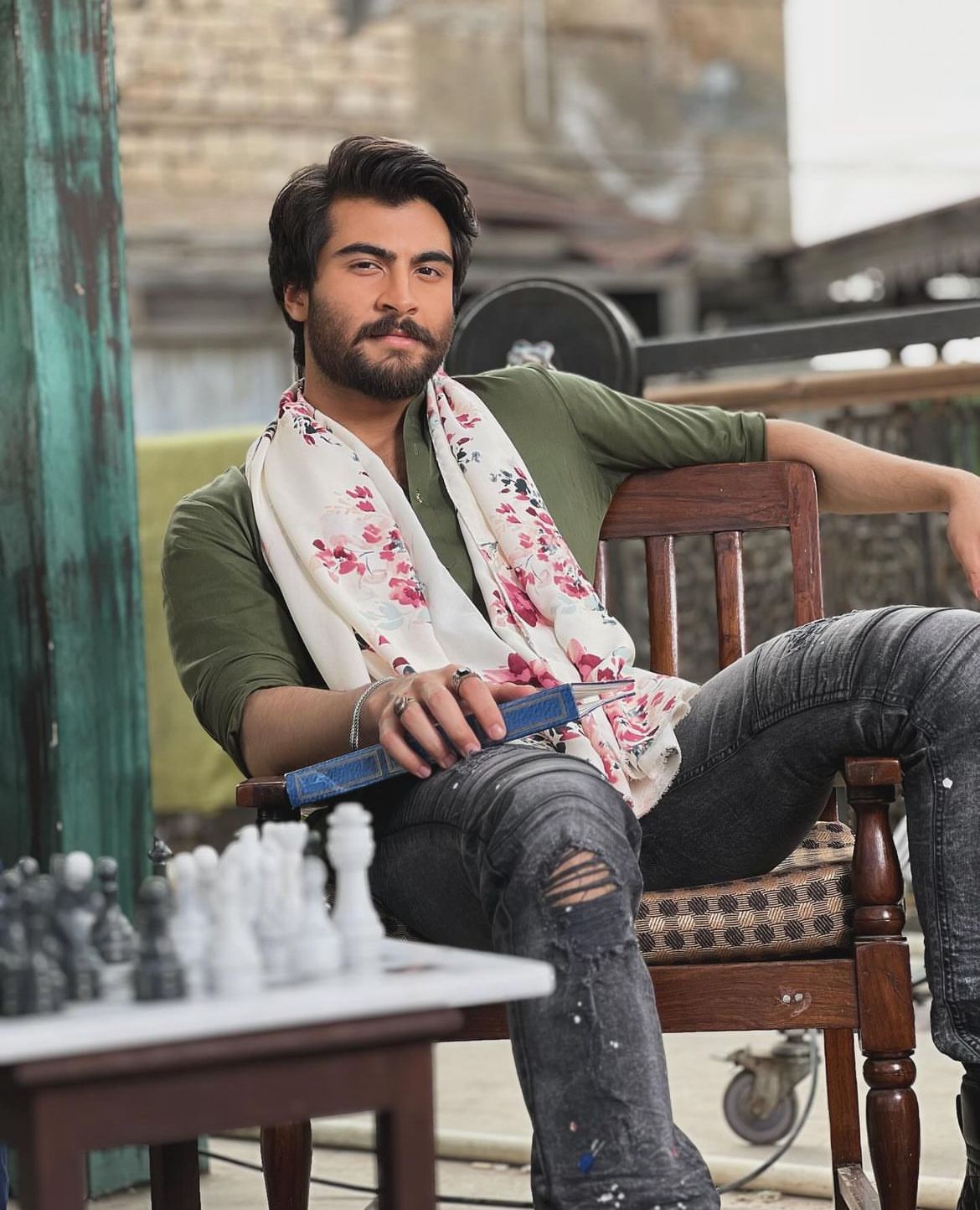
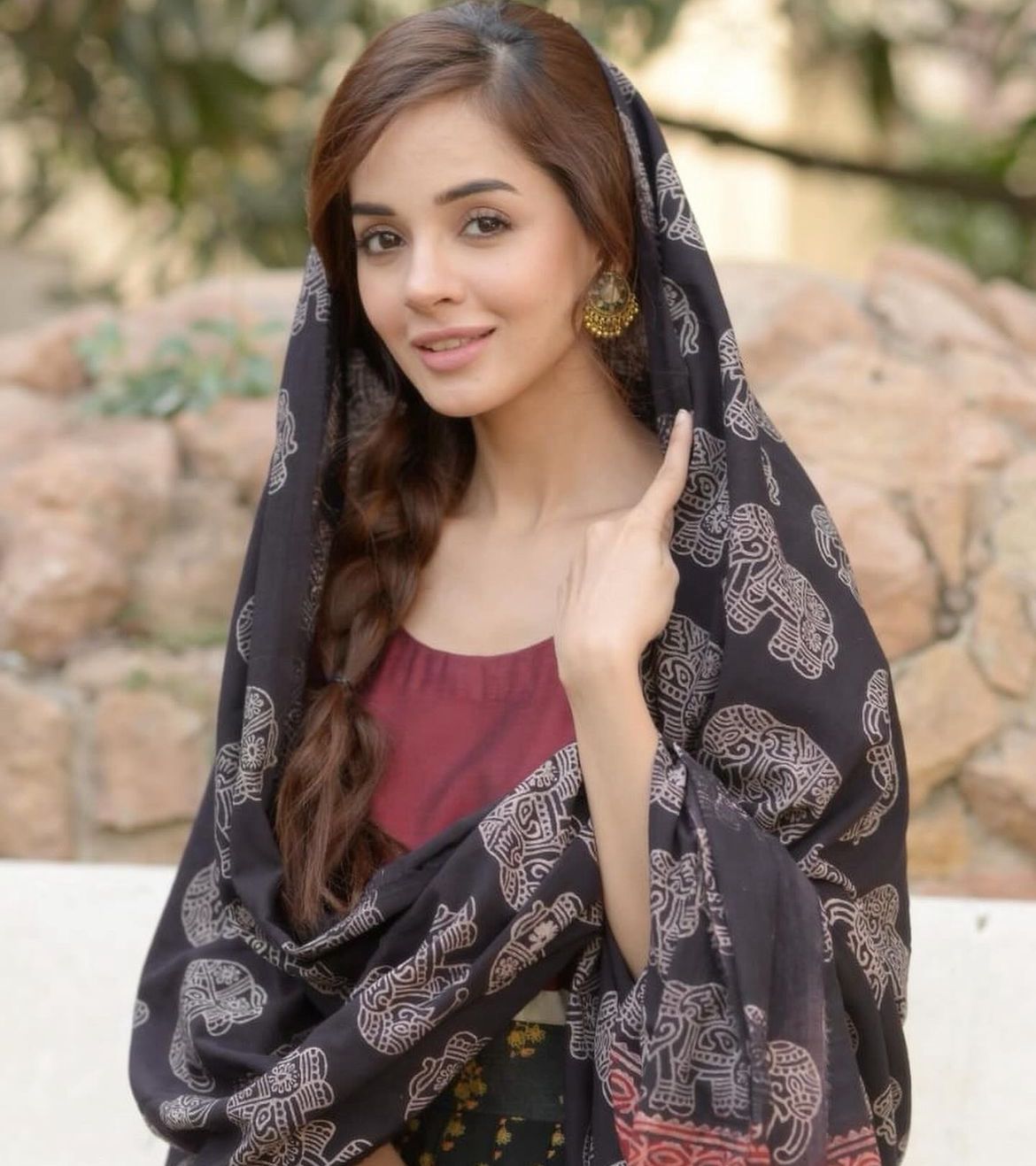
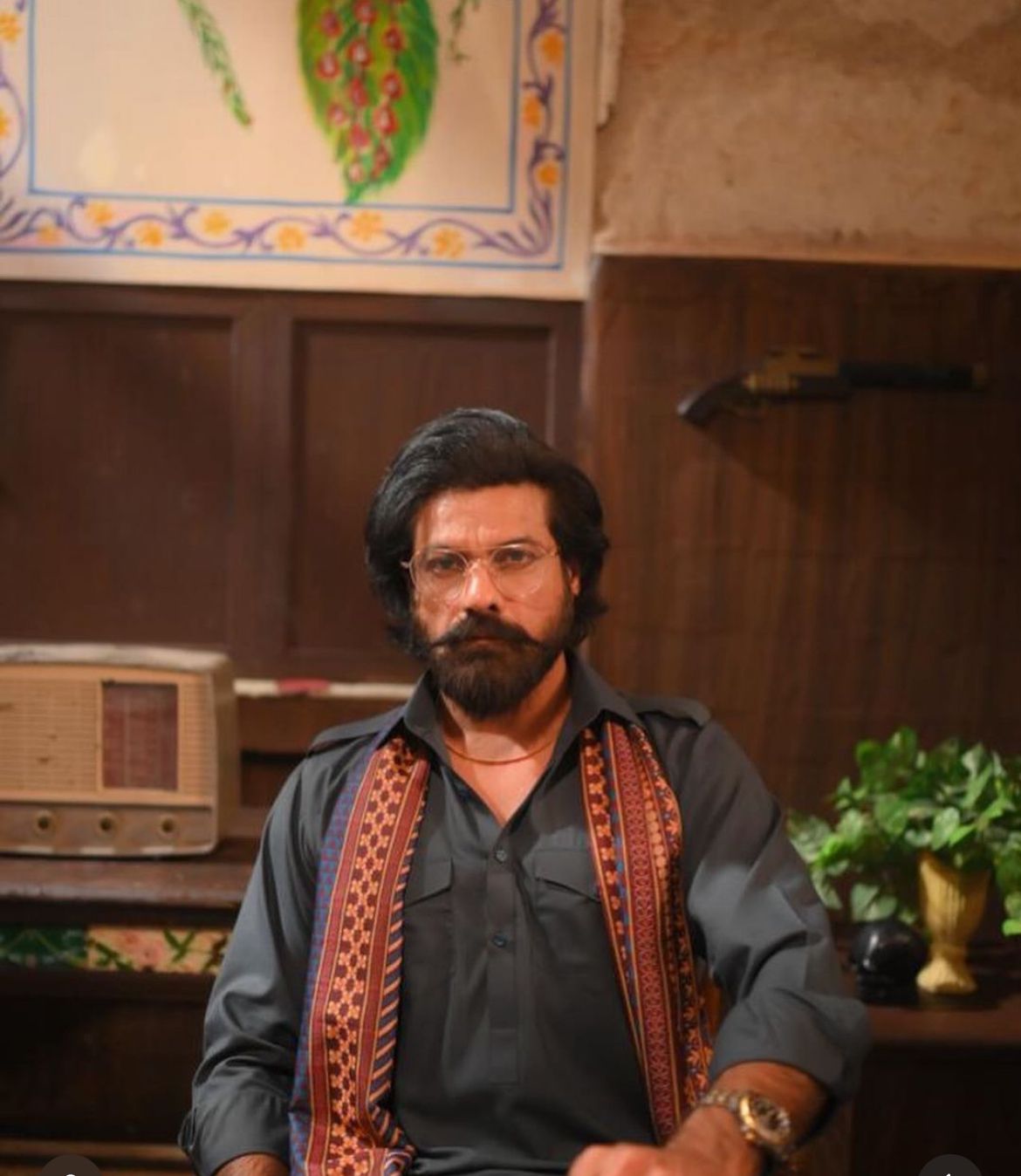
Also, what particularly made this motley crew of characters shine was the way they were filmed. The imagery definitely had the signature 7th Sky Entertainment touch: detailed, edited with great precision and very high-end. Guided by this vision, the viewing experience was cinematic, with the camera panning out over expansive terrains, zooming in on close shots of the actors and navigating a range of sets especially created for the various scenes. The colors were vivid and the camera frames, beautiful. The drama’s cast was certainly good-looking but the camera-work particularly did justice to them.
The sets curated specifically for the drama added novelty. Far too often, TV drama fare revolves around a few choice homes and locations conveniently in Karachi, where most drama shoots take place. The staircases and swimming pools seen in one drama overlap with those seen in several others. While the drama-makers and cast may still manage to deliver an entertaining experience, the repetitive sets can end up being boring.
In contrast, one enjoyed Ishq Hua’s sets: Minsa’s home with plants in the verandah and spools of thread lined along one wall, Bahaar’s lair with a mural of a very angry Sultan Rahi painted on the outside wall, the musty home that Tabrez and Minsa hide in, the neighborhood wedding between Bahaar and Minsa which doesn’t end up happening, the train where they have their first long conversation and so on.
There were other details that were noteworthy: the characters’ wardrobes, their well thought-out styling, the quite believable action sequences and the hummable musical tracks. Director Wajahat Hussain has a flair for filmy chutzpah and his touch is very visible, from the romantic sequences to the action to that scene in the last episode where Tabrez and his friend Zulfi – actor Ramiz Siddiqui, putting out a fine performance – stare at a warehouse for illegal arms that they have set ablaze, their faces theatrically lit up in the fire’s glare.
View this post on Instagram
Having said this, there were certain lose ends to Ishq Hua that one wishes would have tied up more neatly. Rukhsar, the other woman played by Sahar Hashmi, disappears from the narrative halfway – shouldn’t her character have been given closure?
In the last episode particularly, one ends up nitpicking at details: Why did the goons in Bahaar’s lair not help the mafioso that they had long been loyal to when Tabrez was beating him up? What concrete evidence did the police have that gave them valid cause for arresting Bahaar? And so on.
A drama so well-performed and well-shot deserved a more well-knit conclusion.
Regardless, Ishq Hua entertains and Tabrez and Minsa make a dreamy on-screen couple. We’re all sticklers for a young romance, for a boy meets girl story where they run away together and hide while pursued by the bad guys. Nine binge-able episodes indeed.






What do you think?