




By Maliha Rehman
Love rules the world in Abdullah Kadwani and Asad Qureshi’s grand new drama Sunn Mere Dil.
It is the predominating common factor in almost every scene. The various characters discuss it at length, making poetic observations that sometimes hit at the heart. They talk about it even during work hours or during flippant meet-ups with friends where heartbroken confessions may be made during a game of Ludo. Tears are shed, declarations are made, threats are issued.
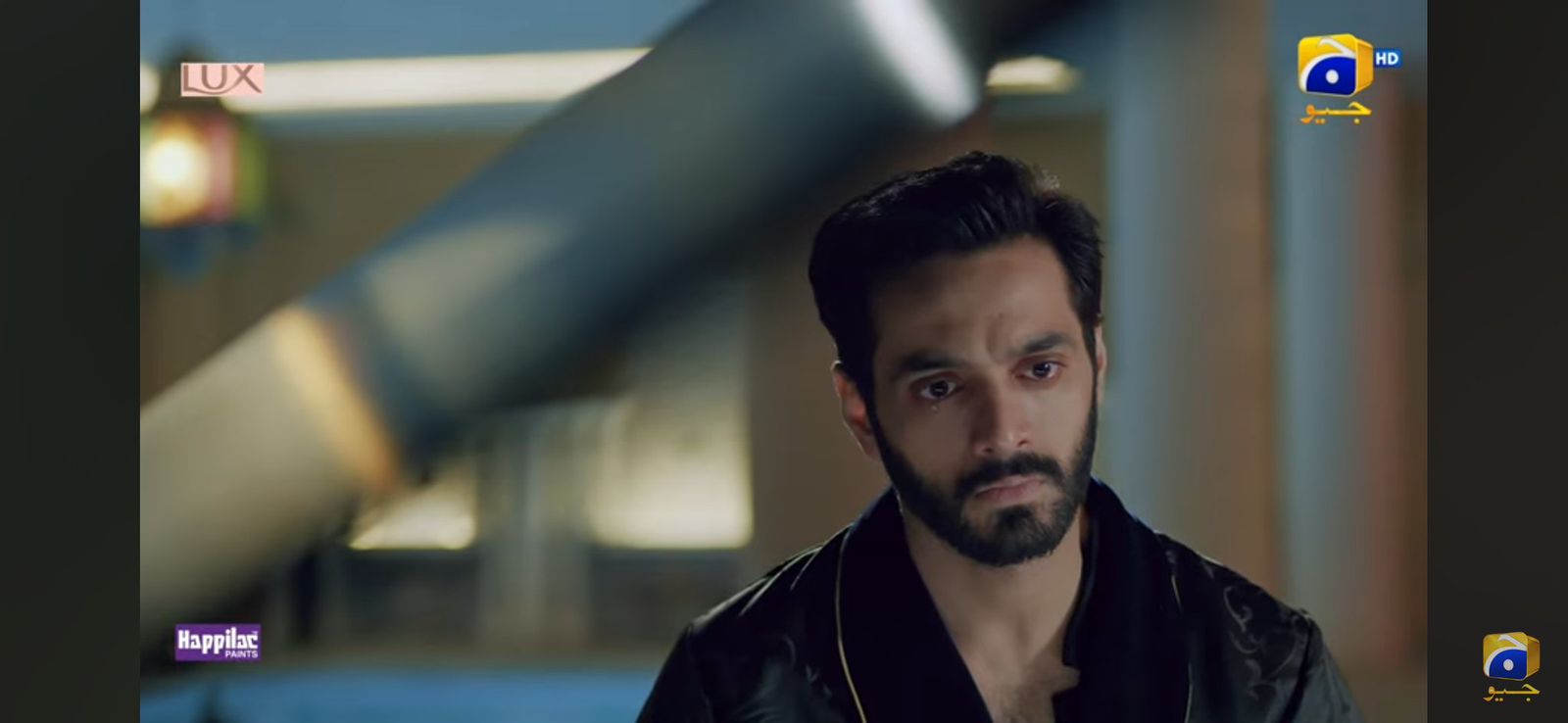
And a hero tragically thumps at his piano late in the night, his eyes moist, thinking about the fallacies of love.
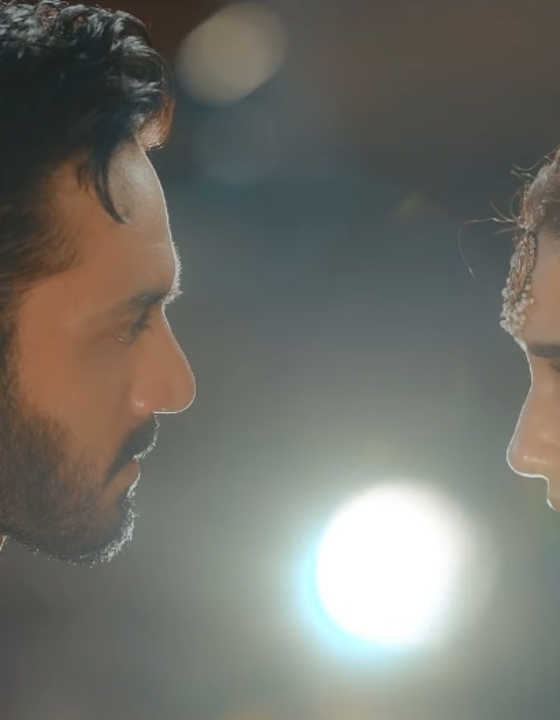
It is this hero who is drawing one’s attention particularly in Sunn Mere Dil. Wahaj Ali plays Bilal Abdullah with great expertise. Bilal is a successful businessman, a savvy dresser, with a fleet of cars and a sprawling mansion that goes on and on. He is also an utter alcoholic who whiles away his nights with an assorted gaggle of girls. He may trip and stumble and slur sleepily when he is drunk but in his moments of lucidity, Bilal makes insightful observations on love that make one wonder if he is carrying some heavy emotional baggage from the past. And when he’s lucid as well as when he’s not, he thinks about Sadaf, with a wondering half-smile on his face.
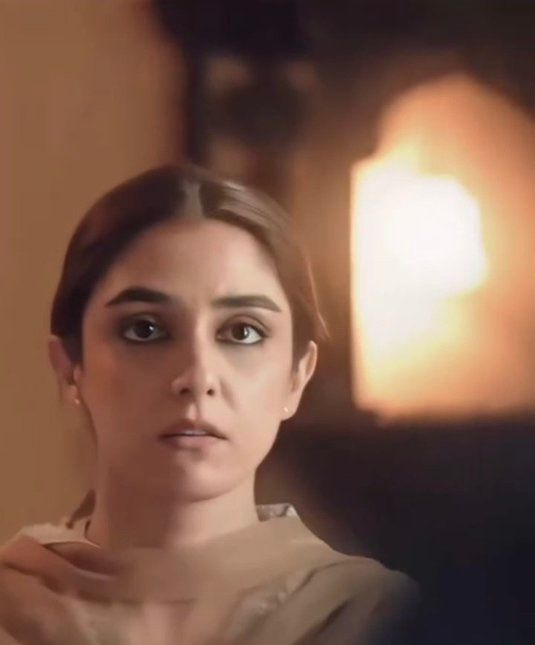
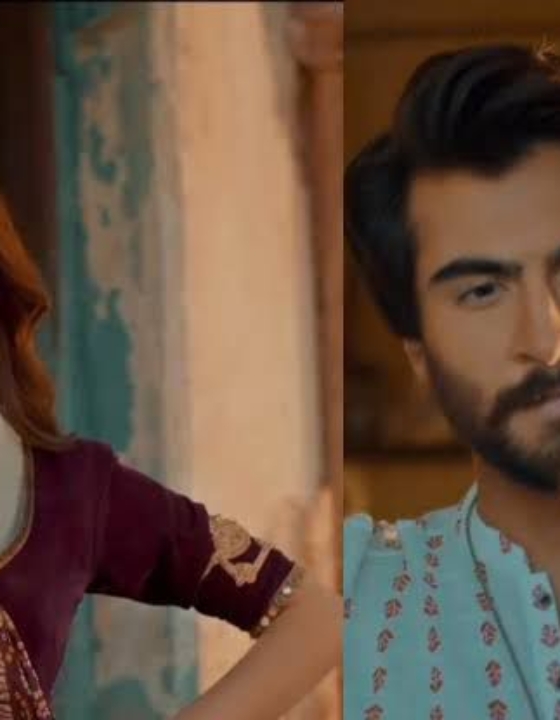
Sadaf, played by Maya Ali, is the daughter of Bilal’s right-hand man Namdar, enacted by Mohammad Ahmed. While Namdar, disapproving of Bilal’s wayward lifestyle had never discussed his family at work, Bilal ends up seeing Sadaf on the road one day and describes her as the ‘perfect larki’. Later, Bilal finds out that she is Namdar’s daughter and has, in fact, studied hotel management. Despite having graduated in hotel management, she hasn’t applied for a job in his very prestigious firm – something that makes him very curious. When he tries to broach a conversation about Sadaf with her father, he gently rebukes him by asking him not to discuss his daughter while he is intoxicated. Around the time this review was written – after the drama’s fourth episode – Bilal has hired Sadaf regardless and has spent countless hours thinking about her while the drama’s beautiful title track plays in the backdrop.
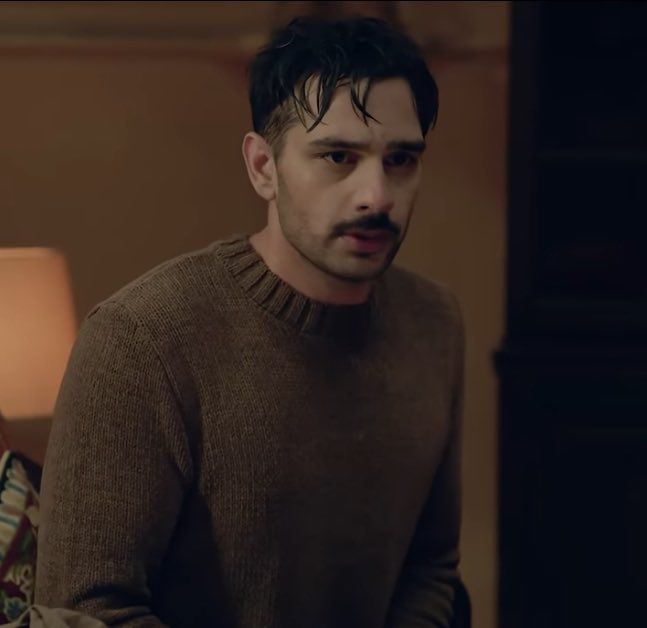
Sadaf, so far, is unaware of this admirer. She has, instead, been busy with another devotee – her friend Ammar, played by Usama Khan, who insists that he is so much in love with her that he will drink poison should she reject him. She has proceeded to reject him, insult him, have him lectured by her mother, even dunked a bucketful of cold water on him but Ammar remains hopeful.
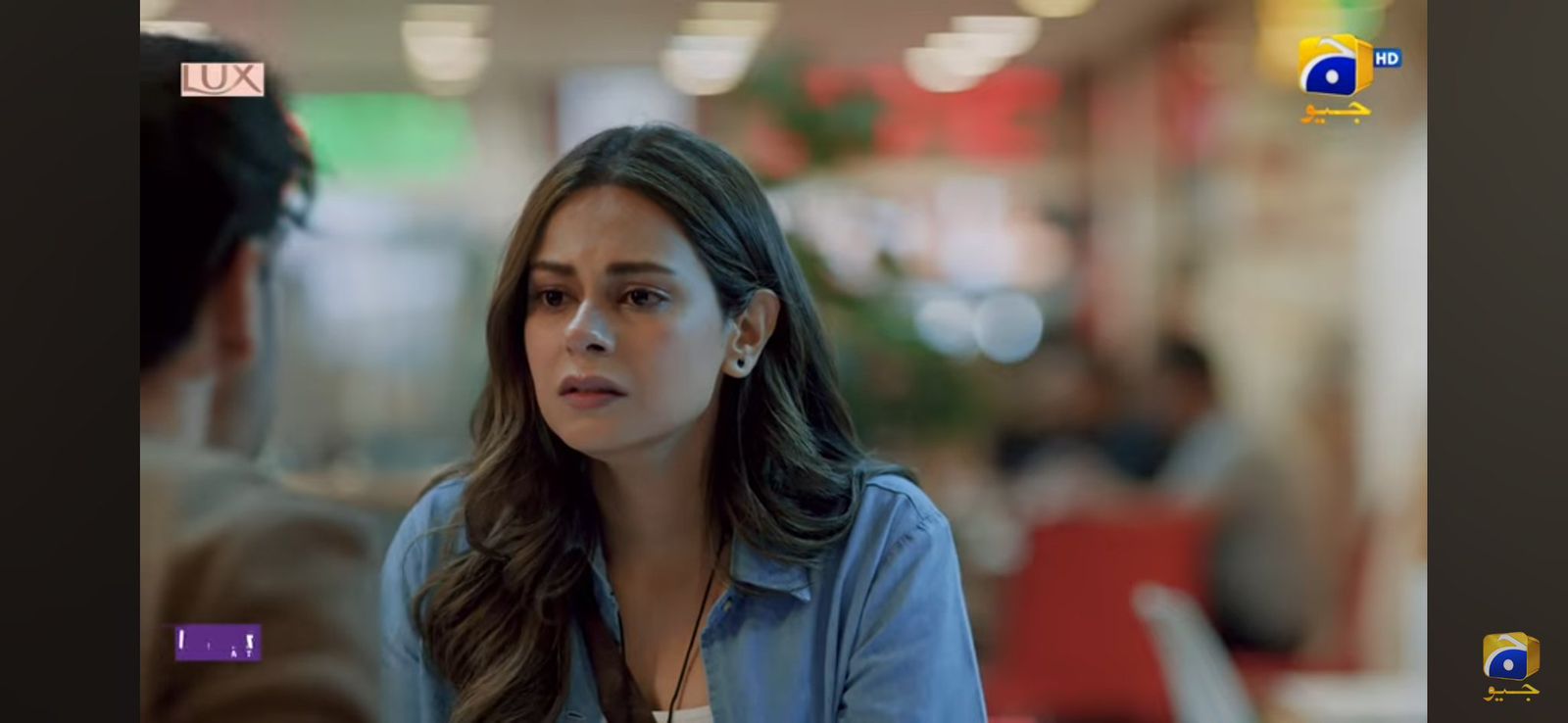
This upsets Daniya – aka Amar Khan – a friend of Sadaf and Ammar’s, who has made it clear that she is in love with Ammar. Daniya cries and gets angry, smashes a teacup and vents to her other friends before announcing that she is flying off to Canada.
And as they go about their day, this motley crew of characters constantly talks about love. This obsession with romance and the belief that it is the driving force behind all that an individual does is a classic characteristic of a script written by Khalil-ur-Rehman Qamar.
And Sunn Mere Dil does seem to be a script that exemplifies the writer in his element. This is a good thing – and also, sometimes a bad thing. More on that later.
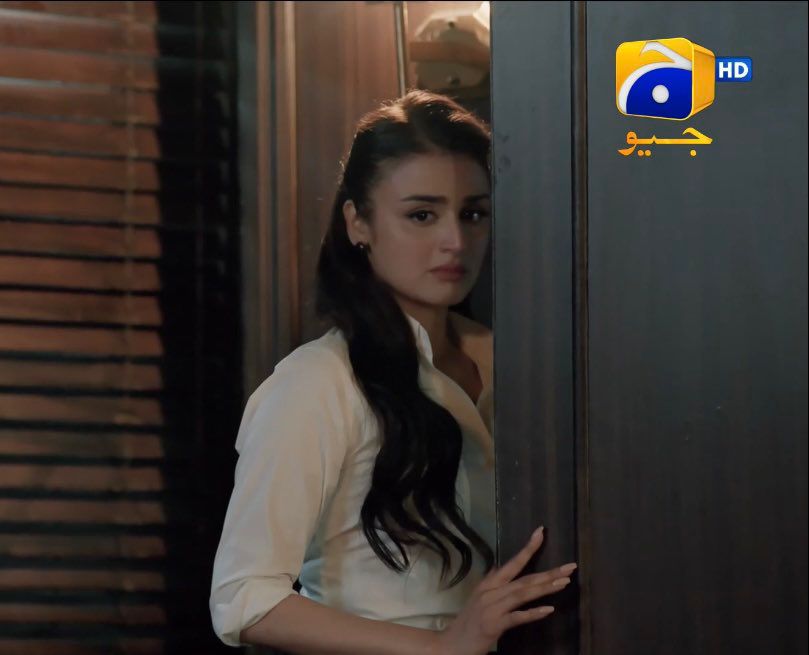
There are other characters that form different pieces of the drama’s jigsaw puzzle. Hira Mani is Hamsha, the gorgeous executive in Bilal Abdullah’s firm. It is yet to be seen whether she harbors secret feelings for her boss. She does, though, like to discuss love – no surprises, there – advising Ammar to go on and poison himself so that Sadaf takes him seriously.
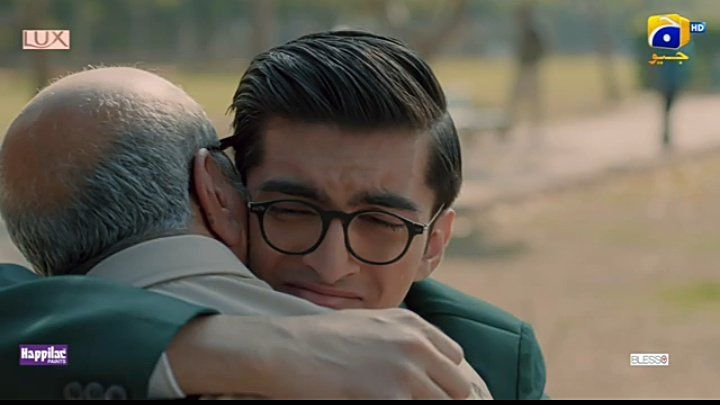
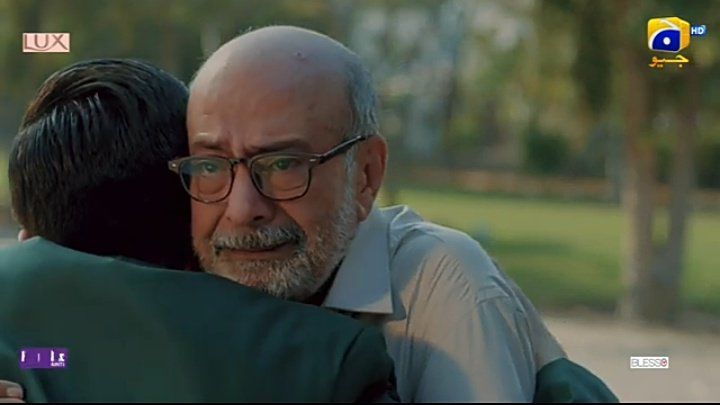
Shahvir Kadwani is Zaviyaar, Sadaf’s younger brother, doted upon by the family, who has been falling ill very regularly. It has only just been discovered that he is suffering from leukemia.
Saba Hamid plays Sadaf’s step-mother and Zaviyaar’s mother. She is wise, gentle and kind; guiding Sadaf on how to deal with the incorrigible Ammar among other matters and fretting over her son’s fluctuating health.
The story has only just started but bolstering it are some fine performances. One had wondered if Wahaj Ali would be able to step away from the shadow of his last hit character, Murtasim from Tere Bin. And while both heroes are rich and inclined towards brooding over romance, Bilal is certainly completely different. Wahaj performs extremely well; his tone changes in accordance with how inebriated he is and so does his body language. One gets curious about the character, wondering why he is the way he is, and Wahaj’s screen presence is so strong that Bilal easily takes center stage in the drama.
Saba Hamid and Mohammad Ahmed perform like the pros that they are, two veteran actors who add the flesh and bones to parental roles that would otherwise not be as memorable. Amar Khan has been riveting as the emotional Daniya and Usama Khan, very believable as the carefree, suicide-prone Ammar. Shahvir Kadwani, in his debut role, has put out a heartbreaking performance as the young boy bolstering his father and trying to stay optimistic even as his health flails.
Maya Ali and Hira Mani’s characters, meanwhile, are yet to experience the emotional turmoil that will put their performances to the test.
For now, though, Wahaj Ali’s Bilal Abdullah is the star of this drama, the focal point around which the story may predominantly revolve.

The other star so far is the drama’s grandeur. It is a known fact that 7th Sky Entertainment projects are amplified by high-end visuals. Producers Abdullah Kadwani and Asad Qureshi spare no effort in ensuring spectacular, detailed imagery that raises the bar for drama narratives. Sunn Mere Dil is no exception. The camera spans out over the exteriors of Bilal’s expansive mansion, zooms in on the sumptuous interiors, weaves through corridors with wood-paneled walls, captures Bilal’s lavish office and study and then, shifts focus to Sadaf’s less elaborate but neatly decorated home.
Director Haseeb Hassan is a brilliant storyteller and one wonders if he particularly enjoyed filming Sunn Mere Dil’s grand settings. It is testament to his craft that while his camera does justice to the sets where the drama is being filmed, he is also inclined towards capturing smaller details; a movement of the eyes, a facial gesture, the play of light and shadow. The set looks beautiful but captured through high-definition cameras, with an eye on styling, the cast looks gorgeous too. It all makes the drama very enjoyable.
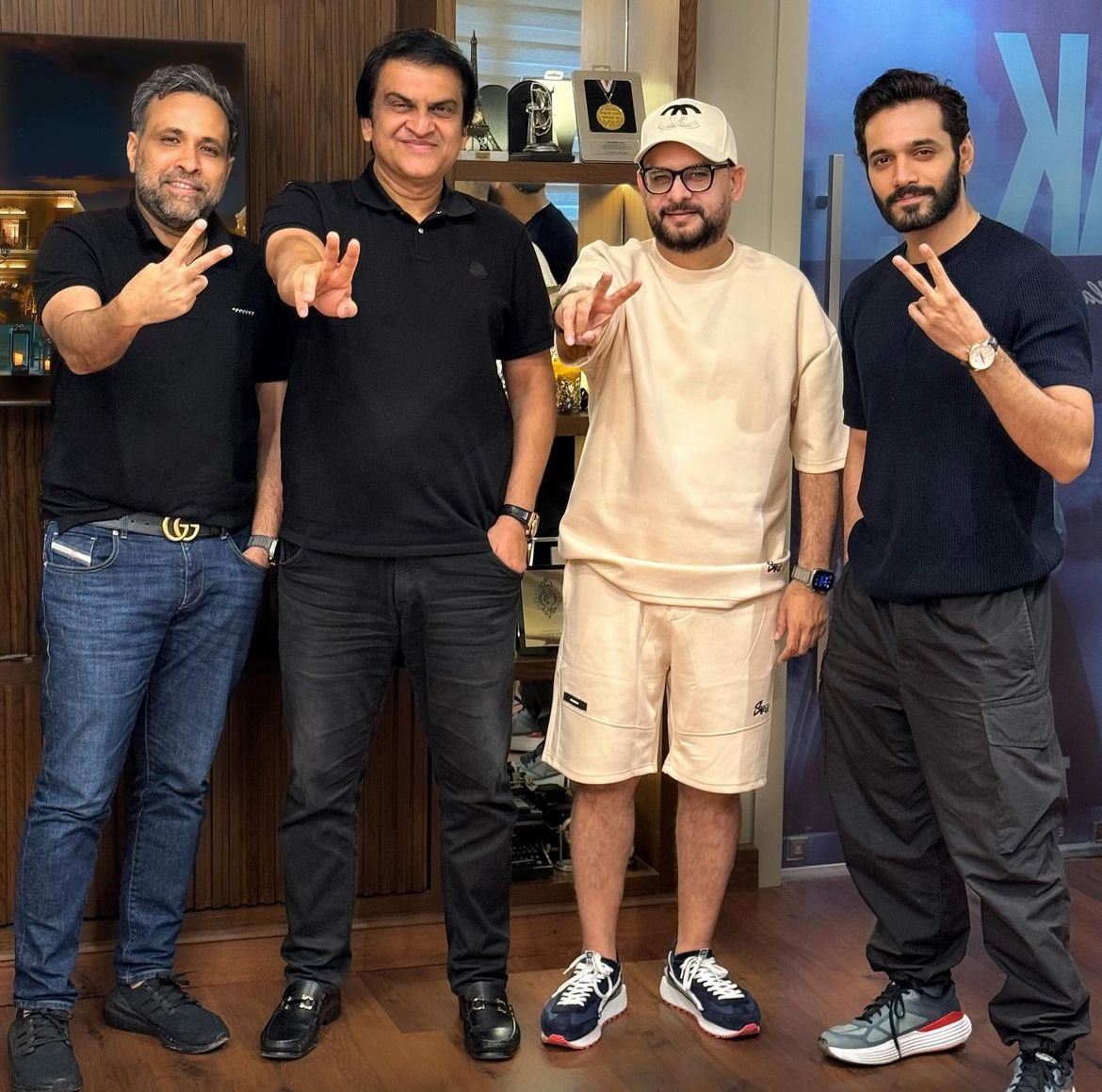
And then there is the script. When the infamous Khalil Sahab is penning the story, there are some details that are quintessentially his. The story’s only just getting started and yet, some dialogues are already memorable. “Marte uss ke leeyay hain Ammar Ahmed jo aap pe marta ho, warna zeher kha keh toh choohay bhi marr jaatay hain,” a heartbroken Daniya tells Ammar.
There is much else that doesn’t resonate quite so easily. In Sunn Mere Dil’s initial plot, for instance, the writer is very smitten by the notion of taking poison for the one you love. Ammar – who doesn’t seem too heartbroken based on his hearty appetite – keeps getting told by the women around him to take poison or not to take it. The notion of suicide and poison has been dealt with very casually and this is certainly problematic. The issue is hardly a romantic one and no laughing matter although perhaps Khalil Sahab would beg to differ.
The writer’s language is also typically archaic. The words ‘kambakht’ and ‘kameena’ are hardly used in daily language except in Khalil Sahab’s world. Should the story have been based in past times, the dialogues could have fitted better but these 21st century characters, with their smartphones and their Western-wear, seem misplaced when uttering them. This opinion, though, is subjective – there are evidently many who are fans of the writer’s overly dramatic style. Perhaps if he could tone the drama down, the more impactful dialogues – there are so many of them! – would have a better effect.
Nevertheless, Sunn Mere Dil is off to a fine start. The narrative is well-paced, the visuals are gorgeous, the performances are riveting. One hopes that the story doesn’t get overshadowed by toxic elements in the script.
And with those actors, those visuals, that title track, one hopes to get swept away by some good old-fashioned romance.





What do you think?