


By Maliha Rehman
The drama started with a bird’s eye view of the rugged Baltistani landscape and ends the same way, the camera sweeping over rocky terrains, winding streams and cascading waterfalls. The story of Khaie had a dark, brutal beauty similar to the terrain where it was shot.
This isn’t the first Pakistani drama to tell a story of the tribes that live within the mountains and the strange laws and customs that dictate their lives. There have been many times before when actors – some indigenous to the mountains and others, from other parts of the country – have adopted thick accents and enacted plots that dwell upon regressive notions of honor and shocking murderous traditions that a quick Google search will reveal still exist in certain regions. What made Khaie – based on the practice of one tribe vanquishing an enemy tribe by killing all the male members of its clan – so special?
What made it haul in top viewership ratings, without relying on the usual tropes like saas-bahu tensions and extramarital relations?
For one, the story was riveting. The motley crew of characters may initially have been dominated by bloodthirsty, diabolical macho men but it quickly transitioned to include the women’s perspective – the young girl, Zamda, whose family was killed on her wedding day and she had no choice but to marry their murderer, the repressed, long-suffering first wife Barrera resigned to a lifetime of servitude, the heartless Gulwareen ruled by jealousy. There were the elders in the story; two mothers driven to madness as their families died before their eyes, a menacing patriarch reigning over his land through terror and a band of brothers, confident in the power that they held as they murdered and threatened with abandon.
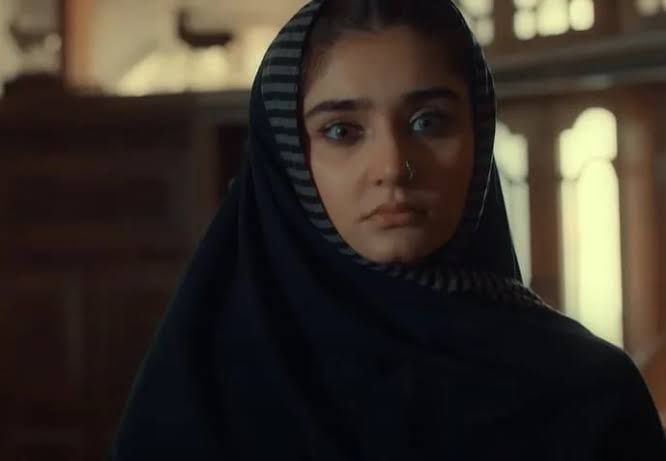
Khaie’s female protagonist – Zamda, played brilliantly by Durefishan Saleem – was resilient, silently planning her revenge while pretending to be the docile woman that she was expected to be. And yet, it was refreshing that Khaie was not a story that relied on gender inequalities. There were no long monologues where the women ranted against repression or unfair male dominance. The characters were human – some good and some evil – and did not get slotted into generic male and female stereotypes. Although ultimately the story shows the power that a woman can have – while the men around her may assume her to be helpless – there was thankfully no sermonizing in Khaie.
With a less intuitive scriptwriter, the story could have easily downslided towards sermons on feminism. Thankfully, Saqlain Abbas, Khaie’s writer, refrained from doing so. Sermons can be very, very boring. It’s much more impactful when the story itself delivers the messages through various twists and turns.
Also laden within the story were subtle, intelligent nuances. The villain was hateful but he had a softer side, sons that he cared for, brothers and a father that he loved. Zamda’s thirst for revenge was understandable and yet, one ended up rooting for two young people in love even though the end to their romance was inevitable. The heroes and the villains could be pinpointed easily but they were all grey, as humans tend to be.
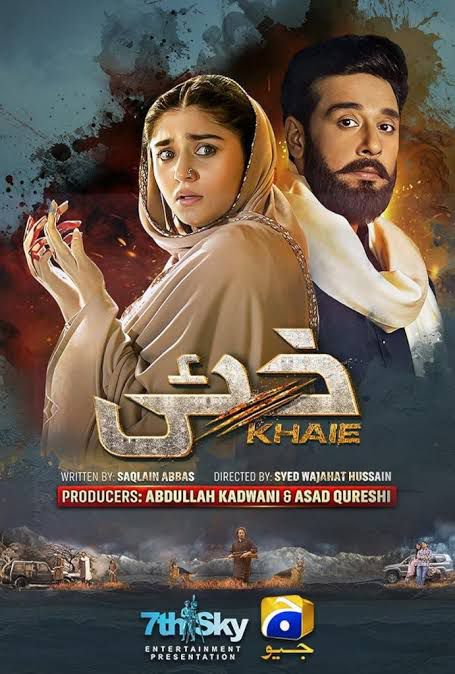
Uplifting the story was the high-end production by Abdullah Kadwani and Asad Qureshi of 7th Sky Entertainment and the expert direction of Wajahat Hussain. Khaie couldn’t possibly have been as remarkable had corners been cut with costs and the drama shot in a more accessible locale. Instead of opting for the mountains in the Murree area, the producers Abdullah Kadwani and Asad Qureshi – known for their obsession with details and commitment towards creating impactful visuals – chose to take the entire unit to the Gilgit region. The Murree hills, being just a few hours’ drive away from Islamabad, would have made commuting very easy. However, Khaie’s particular narrative of murder and revenge became more plausible when shot in a rugged locale that was very obviously cut off from the city. The rough terrain emulated the savage nature of the characters who dwelled in the region. The shoot was certainly a more difficult one – the drama’s actors have talked about the weeks of shooting and how trips back to their homes would often be dependent on weather – but it has made the story a memorable one.
Adding his magic to this landscape was director Wajahat Hussain. Wajahat’s knack for storytelling is undeniable and he has proven, time and again through multiple projects, that he relies heavily on human emotions for moving a narrative smoothly. Khaie will certainly always be remembered as one of his best works. From grueling violence to emotionally heavy sequences to dark, macabre funeral processions to overviews of the remarkable topography of the region, the imagery was artistic and gripping. This was Wajahat at his best, freed from the shackles of scripts revolving around domestic strife and urbanized love triangles, and turning a gimlet eye towards a story that was markedly different. There were scenes that one remembered till much later, moments that made one cry, others that made one squirm at the sheer brutality unfolding on screen.
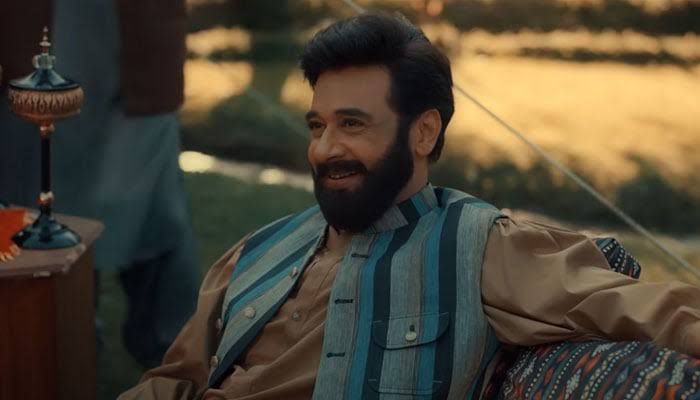
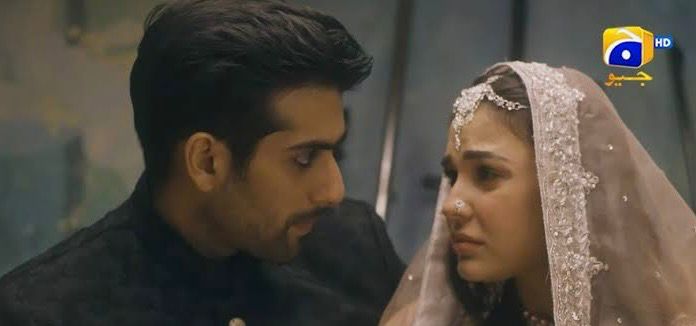
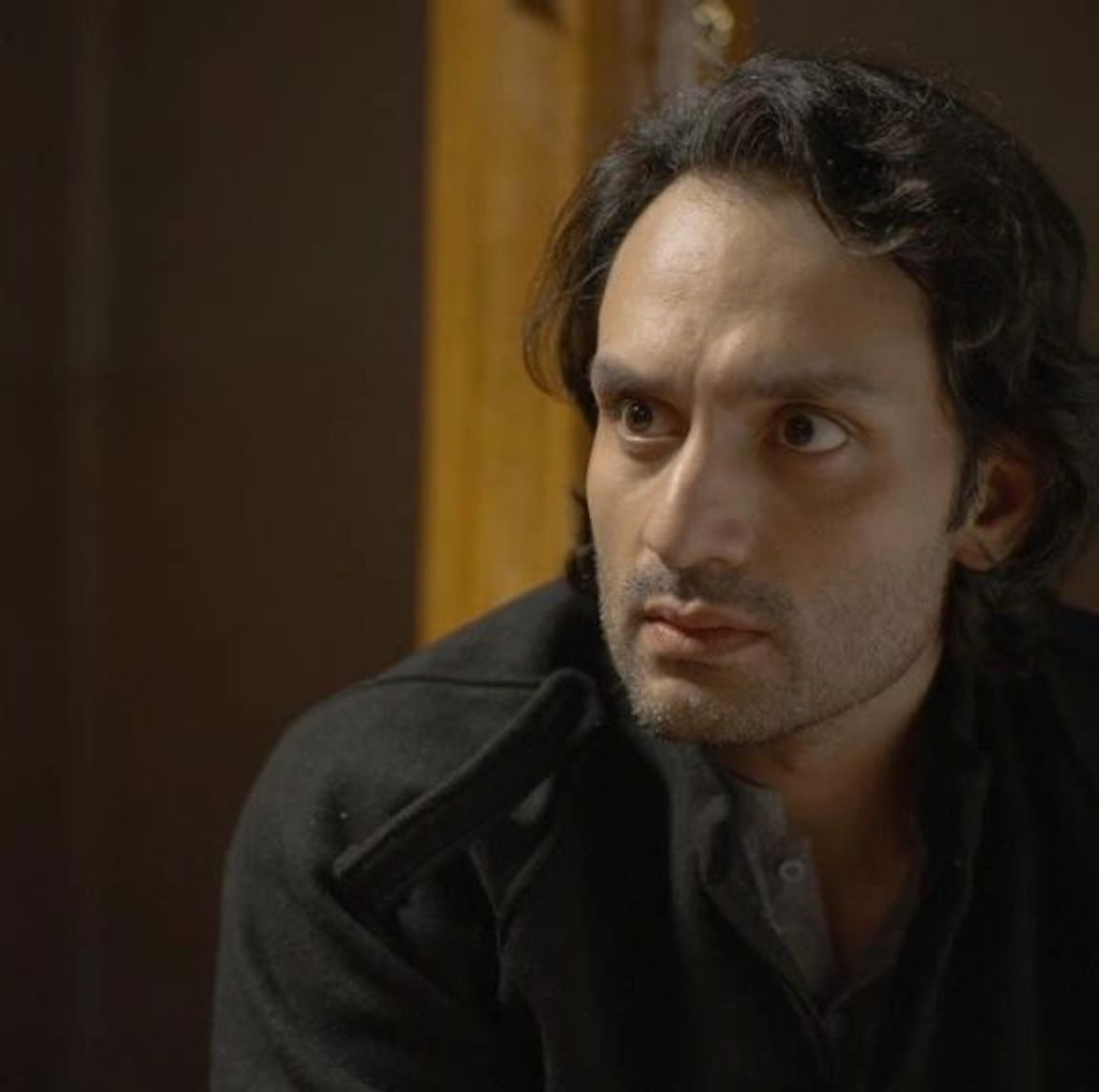
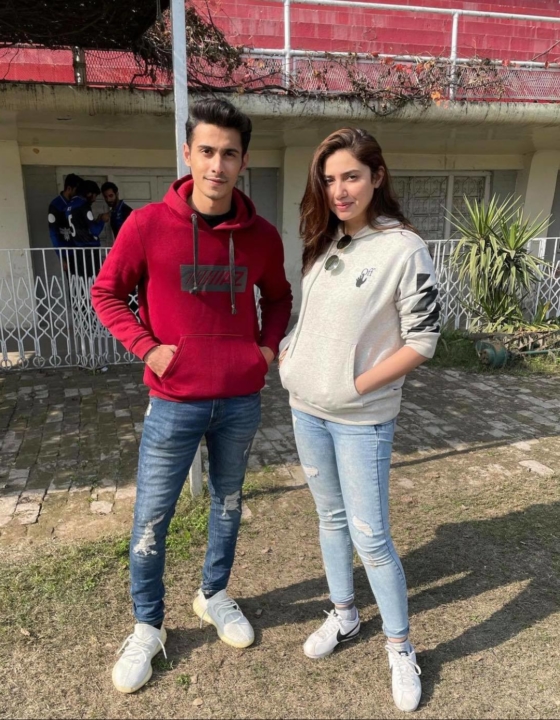
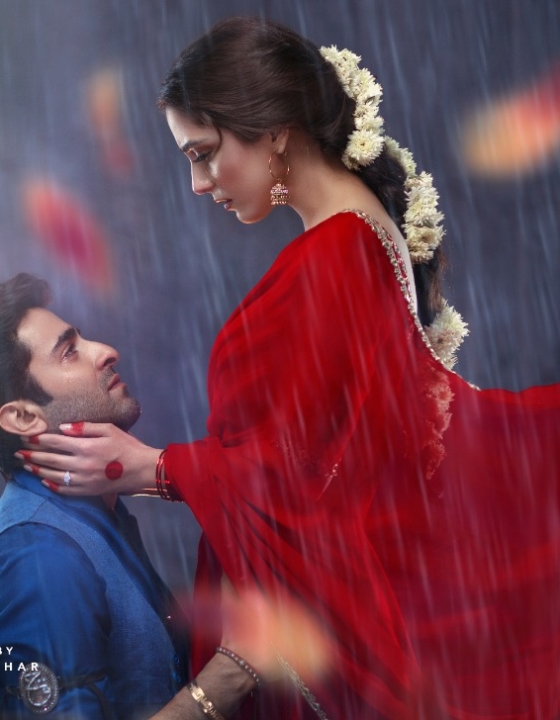
Doing justice to the production and the direction were the performances. Faysal Quraishi delivered one of his most extraordinary roles to date as the murderous, lovestruck Chanar Khan, Durefishan Saleem was exceptional as Zamdaa, proving her mettle as an actress who can diversify beyond playing the lovestruck heroine. Osama Tahir’s prowess at theatrics was evident in his enactment of the valiant Baadal Khan. Particularly holding court over the scenes was the late Khalid Butt as Durab Khan. The actor passed away shortly after the drama had started airing and it is hard to believe that he was ailing while playing the malevolent tribe leader. The entire ensemble was, in fact, a powerful one: Laila Wasti, Hina Khwaja Bayat, Saba Faisal and relatively new actors Shuja Asad and Mahenur Haider, enamoring the audience with how gorgeous they both looked, and making their mark as a young couple in love.
Having said this, Khaie was certainly not a story for the faint-hearted – many will insist that the murdering sprees in the drama should have been preceded by a trigger warning. And yet, the drama was watched with avid interest and ratings indicate that the Pakistani TV drama audience doesn’t get daunted easily by bloodthirsty vengeful killers. Perhaps, for many in the audience, a murder is considerably less painful than an evil mother-in-law screaming and crying and plotting new ways of torturing her daughter-in-law over the course of more than 20 episodes!
Also, while Khaie had a lot working in its favor, the drama unfortunately suffered due to countless long drags. There were far too many slow-motion sequences and flashbacks, some of which were interjected between emotionally heavy scenes, lessening the overall impact. The makers may have had their reasons but as one episode stretched out to another, dragged out pointlessly, it made one upset. Why did this drama, produced and directed so expertly, boasting such stellar performances, have to succumb to typical tropes?
Khaie may have been exceptional but it would have been more so had its length not been extended so obviously.
Khaie was certainly not a story for the faint-hearted – many will insist that the murdering sprees in the drama should have been preceded by a trigger warning. And yet, the drama was watched with avid interest and ratings indicate that the Pakistani TV drama audience doesn’t get daunted easily by bloodthirsty vengeful killers. Perhaps, for many in the audience, a murder is considerably less painful than an evil mother-in-law screaming and crying and plotting new ways of torturing her daughter-in-law over the course of more than 20 episodes!
Nevertheless, the drama, the efforts invested into it, the story it tells and the response that it has incited, proves that the Pakistani drama audience’s palette is a diverse one. We need more stories that are unique. More shoots taking place in exotic locations rather than the usual palatial homes in Karachi. More characters that are so extraordinary that you remember them, always.
We need more of Khaie – preferably, next time with less drags.




What do you think?