








By Maliha Rehman
This isn’t your regular drama.
Abdullah Kadwani and Asad Qureshi’s Case No. 9 which has just started airing on Geo Entertainment narrates a hard-hitting story that does not sound unfamiliar – and yet, it is a story that is hardly ever told on TV’s mass medium.
‘A story that has never been told before of a crime that happens every day,’ announced the teaser, before allowing glimpses of a woman, crying, crumpled on a floor, of violence, of a man in distress, policemen and lawyers and a court room. Case No. 9 narrates a tale about a woman being raped and the incidents that follow. In its very first two episodes, that aired last week, it delved into the psyches of the various characters in the story, painting a picture that was very realistic.

There is the rape victim: a strong, confident woman, her spirit broken but who still wants justice for herself. There is the rapist: a rich, powerful married man, with a respectable image in society, scared about the consequences of what he has done, not dwelling much on the pain that he has caused and instead, fretting over the scandal destroying his societal standing. A motley crew of characters surround them; the victim’s family, yo-yoing between sympathizing with her and fearing the gossip that would ensue should the news leak out; the policemen, disdainful, suspicious, corrupt and careless about a woman crying before them as she narrates her story; the rapist’s best friend, torn between loyalty and what is ethically right.
With every scene and every dialogue, Case No. 9 triggers myriad emotions amongst its audience. There is pain for the victim. Anger against the rapist. Distress at how heartless society and even the flagbearers of law can be when faced with a single woman who chooses to seek justice for herself. Frustration at how, instead of getting sympathy, a woman can be blamed for damaging her family’s honor for something that was not her fault.
When the victim – Seher – manages to gather the strength to go to a police station, the policemen on duty interrupt her complaint about rape to lecture her against divorce. Kamran, the rapist, shrugs away the night’s incident as a moment when he lost control and couldn’t help himself, commenting that Seher was very cunning for having approached the police. Seher’s family locks themselves away in their homes after she returns home, crying, her brother feeling ashamed. They do not rush her to the police. Instead, her mother bathes her and throws away the clothes that she had been wearing, that could have been utilized as evidence against her rapist.
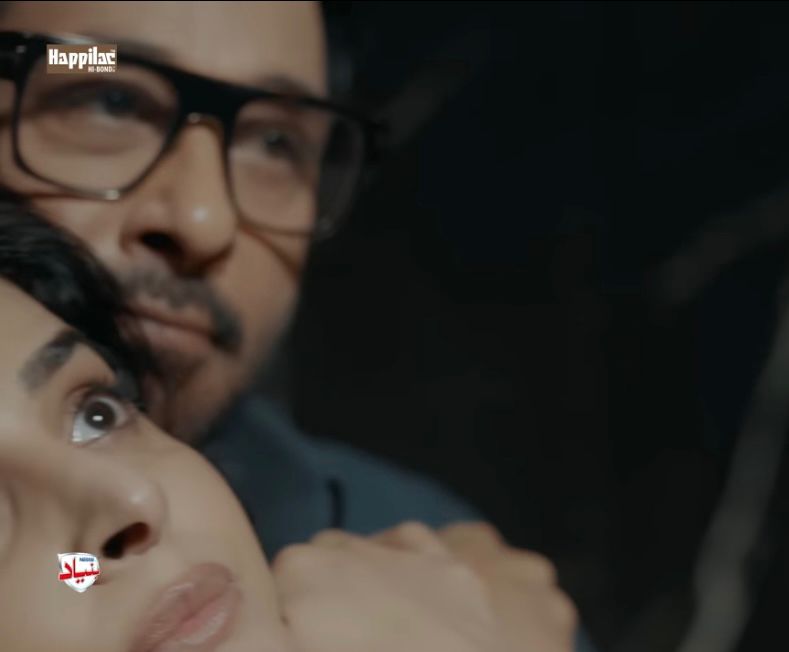
After six days, when she sneaks out of the house to go to the police, Seher’s brother calls her selfish. Waiting alone while her medical examinations are taking place, she is hesitant about picking up her family’s phone calls because while she wants justice for herself, she does not want to hear their reprimands. The doctor examining Seher tells her that many victims of rape never file a complaint against their aggressors due to lack of family support.
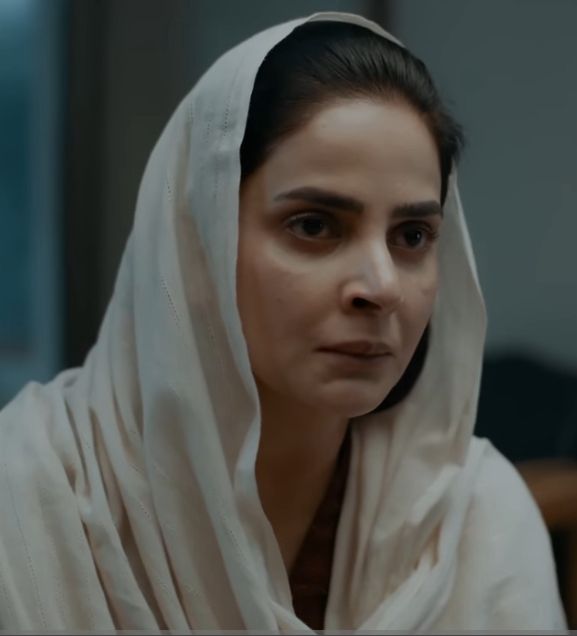
The story’s subject matter is heart-wrenching and the team headlining the dramas makes sure that the audience remains hooked. Saba Qamar is Seher and yet again, she proves her mettle as one of Pakistan’s most powerful actresses. No other actress could have possibly played Seher with such empathy and so realistically. Shrinking, squirming, crying but resolute, Saba slips into Seher’s skin effortlessly, delivering a performance that gives one goosebumps.
Yet another brilliant actor plays Seher’s rapist: Faysal Quraishi. Faysal is in his element, every bit the callous, manipulative man with a twisted moral compass. From tricking Seher into being alone with him in his home to later, convincing his friend to stay on his side and attending to the police, Faysal’s Kamran is very believably hateful.
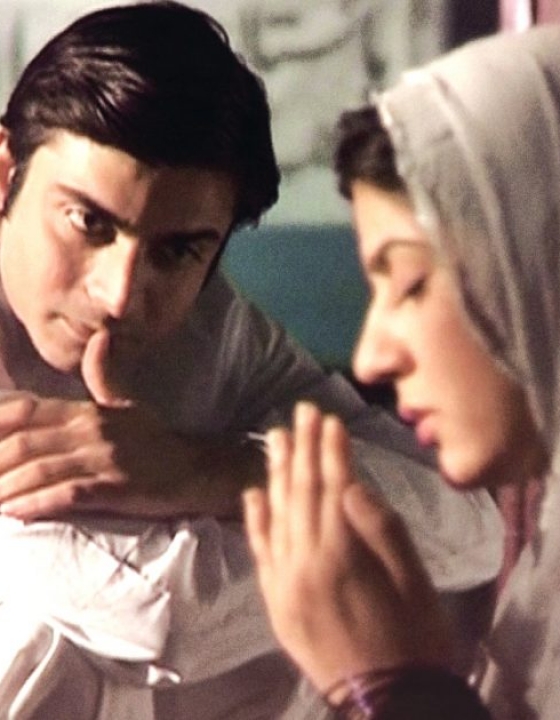
Of course, Faysal Quraishi’s acting prowess is undeniable but at least for this reviewer, the last time he truly made one’s blood boil was in the drama Khaie, helmed by the same team. An actor like Faysal deserves a watertight script and intelligent character development and while he won rave reviews for his recent performances – Behroopiya and Rana Rani come to mind – the projects lost impact due to weak narratives. In Khaie, director Syed Wajahat Hussain, producers Abdullah Kadwani and Asad Qureshi and Faysal had come together, with Faysal’s character truly standing out. Case No. 9 – at this initial point – promises to deliver similar results.
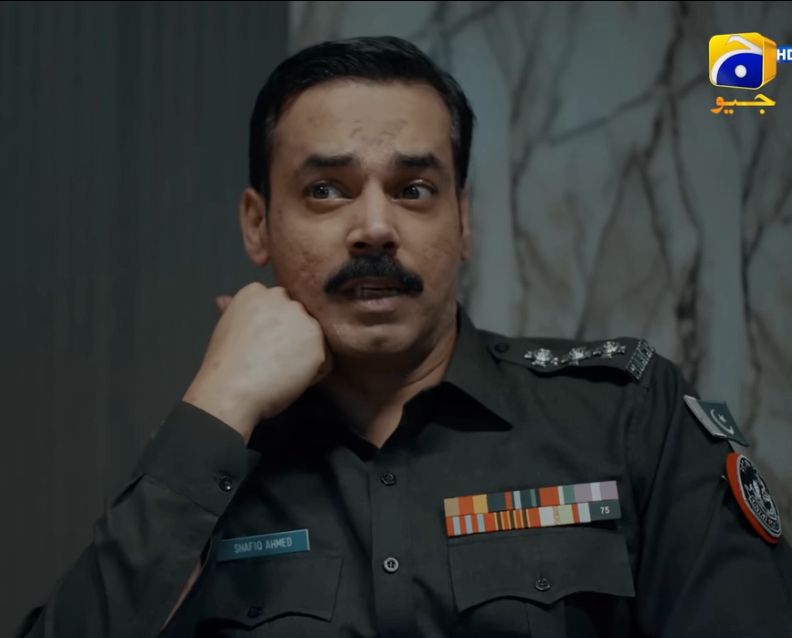
Gohar Rasheed is superb as the corrupt, sleazy policeman unwilling to believe Seher and enamored by Kamran’s power and wealth. Junaid Khan as Kamran’s friend Rohit is performing well and his character is bound to have some very meaty scenes in future episodes. Similarly, Naveen Waqar as Rohit’s wife is likely to have an interesting role to play. Actors Aamina Sheikh and Noor ul Hassan are yet to surface in the story although initial teasers imply that they will be the lawyers taking this case to the courtroom.
Holding the story together are the makers behind it. Geo News anchor Shahzeb Khanzada has written the story, possibly delving into his own experiences as a journalist to ensure realism. Woven into the script is valuable information about the medical and legal procedures that should be followed after a rape incident, educating the audience while retaining their attention.
Syed Wajahat Hussain directs with expertise, his camera zooming in on emotions, panning out to depict an act of brutality, relying on a background score – violins playing ominously as Seher gets mauled by Kamran before Rohit belatedly rushes in to save her – to increase impact. The act of rape, particularly, has been shot very intelligently, the violence and pain getting registered without the director showing much: a pair of heels strewn on the floor, an upturned glass with liquid – alcohol? – spilling out from it, a cigar left aside on an ashtray and then, a woman, crying, lying on the floor. It is a harrowing scene shot with great care by the director.
Similarly, producers Abdullah Kadwani and Asad Qureshi of 7th Sky Entertainment have left no stone unturned in ensuring that the drama hooks its audience from the very first episode. The attention to detail, the homes, the legal offices visited by Seher, are all very authentic. Great effort has been made to make sure that Case No. 9 makes an impact.
Case No. 9 educates with the aid of a narrative that has one wanting to see more. It treats a sensitive topic with care, telling the story without over sensationalizing it. It is unlike the usual TV drama. But we need more dramas like it.







What do you think?